
Luxury fashion has always been built on one core thing — trust.
People don’t just buy design or material. They buy authenticity, heritage, and proof that what they own is genuine. Counterfeiting has quietly damaged luxury brands for decades, costing billions and weakening brand reputation across resale markets.
What makes Valentino exploring blockchain interesting is not marketing. It’s operational protection.
And this is where Vanar enters — not as a visible product, but as something much quieter.
A trust infrastructure layer.
Authenticity Is Becoming A Data Problem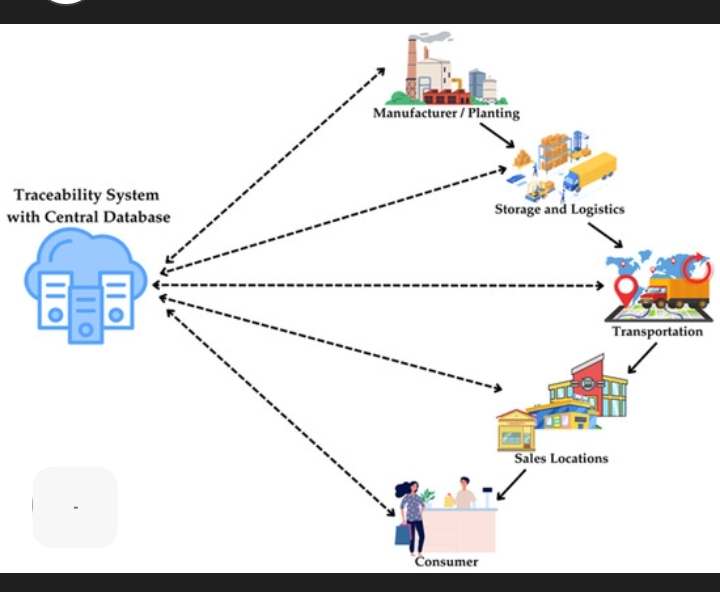
Luxury brands traditionally relied on physical documentation, distribution control, and craftsmanship reputation to prove authenticity.
That system worked when resale markets were smaller.
Today, luxury items move globally across collectors, resale platforms, and cross-border trading. Documentation becomes fragmented. Verification becomes slower. Confidence drops.
Vanar introduces product passports that record lifecycle data directly on-chain.
This allows verification of:
• Manufacturing origin
• Distribution history
• Ownership transfers
• Resale authentication
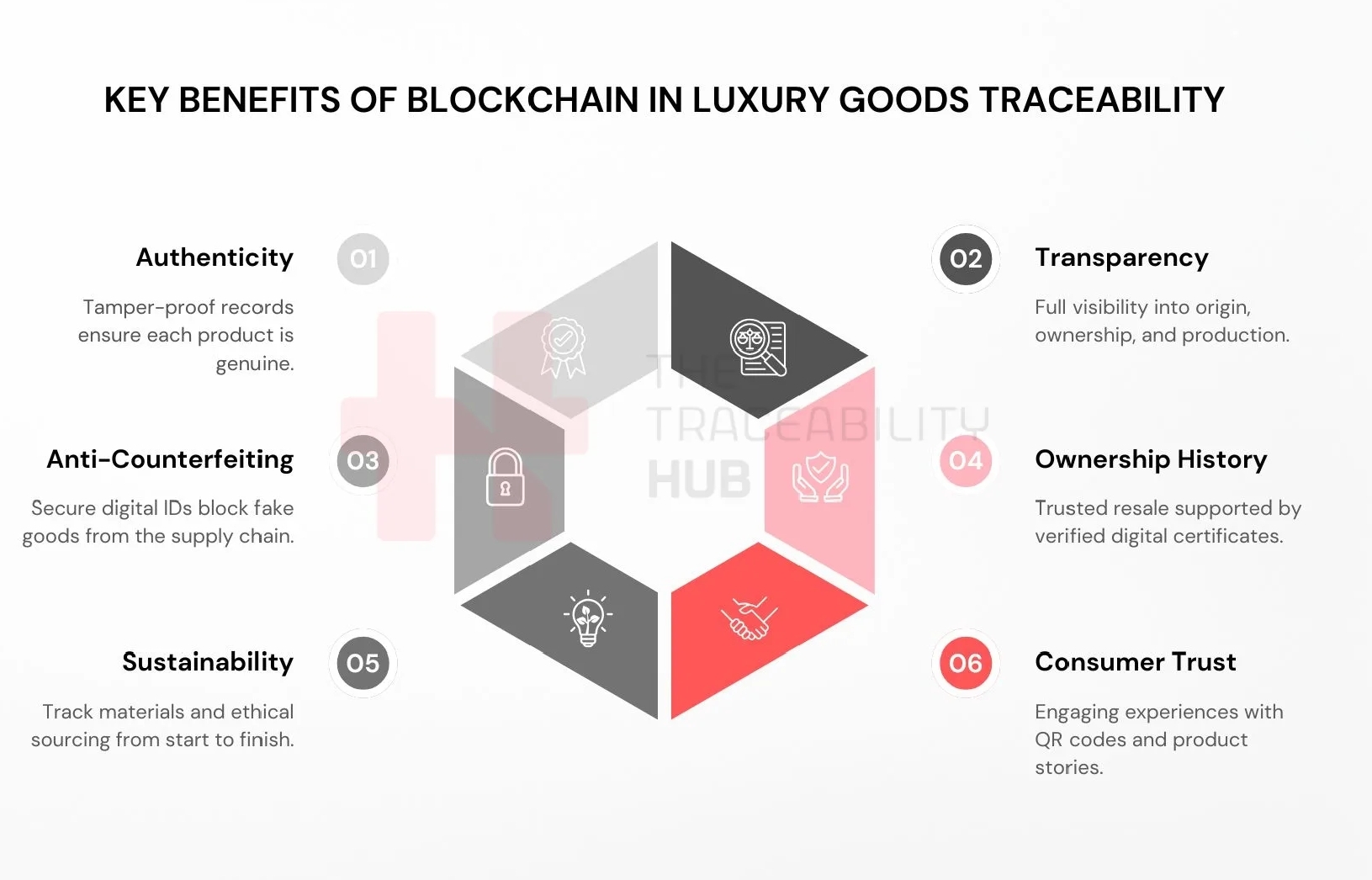
Instead of trust living with paperwork, trust lives with the product itself.
Ownership Continuity Is A Hidden Luxury Market Weakness
One rarely discussed problem in luxury resale is ownership continuity.
Every time an item changes hands, documentation weakens. When Third-party verification becomes necessary. Every Buyers start questioning the authenticity history.
Vanar allows the ownership transfers to be recorded permanently. Over time, this creates a verified ownership timeline that cannot be altered.
For collectors, this builds long-term asset confidence. And,
For the brands, it provides the visibility into that how products circulate after the initial sale. This is good for both.
That changes resale markets from trust-based to verification-based.
VIP Access Is Quietly Becoming Identity Infrastructure
Runway invitations. Private launches. Loyalty tiers.
Right now, brands manage these through patchy, fragmented systems
Vanar changes that.
We enable ownership-linked credentials, so brands can automate exclusivity—no manual verification needed.
Owners can hold verifiable access tied directly to product ownership.
That transforms luxury loyalty from relationship management into programmable infrastructure.
Anti-Counterfeiting Moves From Labels To Ledger Verification
Counterfeit luxury goods represent one of the largest hidden financial drains in fashion.
Traditional protection uses serial numbers, holograms, or centralized databases. These systems eventually get replicated or bypassed.
Vanar connects product identifiers directly to immutable ledger records. Scanning product tags can verify manufacturing origin and distribution history in real time.
The important shift here is structural.
Verification no longer depends on trusting a centralized database.
It becomes cryptographically provable.
That dramatically increases the difficulty of counterfeiting operations.
Infrastructure That Works Best When Nobody Notices
Most customers will never ask which blockchain verifies their luxury product.
That invisibility is actually strength.
The strongest financial and commerce systems operate beneath user awareness. Payment networks, clearing systems, settlement layers — they all succeed because users never need to understand them.
Vanar appears designed with the same philosophy. Verification integrates into the brands ecosystems without forcing the users into crypto-native onboarding.
Consumers interact with scanning tools or digital certificates.
The blockchain layer stays invisible.
And invisible infrastructure usually scales better.
Why Legacy Luxury Adoption Signals Maturity
Luxury brands adopt technology slower than most industries.
Luxury brands which has a planned that don’t just sell products.
They sell reputation, heritage, and trust built over decades. Their entire business depends on protecting their image.
When the brands with that level of history start exploring the blockchain, it usually means that the technology is moving beyond experiments and becoming something operational and practical .
Valentino’s involvement feels like a signals that blockchain is starting to solve real problems, especially around product traceability and authenticity, where traditional tracking systems often fail.
Vanar seems to position itself by focusing on stability rather than excitement.
• Keeping infrastructure costs predictable
• Maintaining stable and reliable transaction environments
• Staying compatible with
enterprise-level brand systems
For luxury brands, those things matter far more than trending narratives or hype cycles.
The Shift From Collectibles To Accountability
Most early luxury Web3 experiments leaned toward digital collectibles and NFT marketing campaigns.
Now the direction appears to be shifting toward accountability, verification, and long-term brand protection.
The current shift is different.
Blockchain is being used to support supply chain transparency, authentication systems, and customer identity infrastructure.
That signals maturity. Technologies tend to survive long-term when they solve backend operational problems rather than front-end campaigns.
Vanar aligns strongly with this accountability-focused adoption phase
Luxury Adoption May Open Enterprise Doors
Luxury fashion requires strong authenticity protection, which makes it an ideal testing ground for blockchain trust infrastructure.
If ledger-based verification succeeds in luxury markets, it can extend into industries like:
• Pharmaceuticals
• Electronics
• Collectibles
• Regulated manufacturing
Luxury adoption may represent early signals of a broader enterprise shift toward blockchain-based authenticity systems.
My Take
I see Vanar’s move into luxury authentication as a very quiet but smart direction.
Trust infrastructure rarely creates hype. it usually becomes essential once adoption grows.
Luxury brands protect their reputation aggressively.
Their willingness to explore ledger-based verification which shows that something is important.
Blockchain is slowly moving from marketing experiments to operational reliability.
Not visible.
Not loud.
But deeply integrated into how physical and digital trust works together.
Infrastructure that protects authenticity usually survives longer than infrastructure built around speculation.
Speculation layers come and go.
From my perspective, Vanar looks less focused on short-term narratives and more focused on building systems that can quietly support real adoption over time.
And historically, the most successful infrastructure is the one users don’t even notice exists. #vanar @Vanarchain $VANRY