



Most chains want to be talked about. Vanar mostly wants to be used.
That difference is subtle, but once you notice it, you can’t unsee it. Vanar doesn’t sell a vision of the future with big slogans. It works backward from a very unglamorous question: why do so many Web3 products never make it past launch?
The answer is rarely speed. It’s friction. Too much of it.
Developers Don’t Fear Scaling, They Fear Rewrites
When a team looks at a new chain, the first worry is not TPS or fees. It’s risk. Rewriting contracts. Learning new tooling. Audits breaking. Unexpected edge cases at production.
Vanar removes that fear by staying close to what already works. Solidity stays Solidity. Tooling stays familiar. Deployment doesn’t feel like a science experiment.
That matters more than people admit. Time lost in rewrites is time a product never recovers.
This is where Vanar Chain quietly stands out. It doesn’t try to reinvent how developers think. It just reduces the pain around how they already build.
EVM Compatibility Done for the Right Reason
A lot of chains say they’re EVM compatible. For Vanar, it’s not a checkbox, it’s the whole point.
Ethereum already has:
Battle-tested patterns
Known security assumptions
Mature audits
Engineers who know what can go wrong
Throwing that away just to be “different” is expensive. Vanar keeps that institutional memory intact. You don’t migrate your brain. You don’t retrain your team. You don’t gamble with unknown tooling.
You deploy, test, and move on.
The Real Bottleneck Is Users, Not Blocks
Web3 doesn’t lose users because it’s slow. It loses them because it feels hostile.
Seed phrases get lost. Gas errors confuse people. Pop-ups ask for trust with no explanation. Most users don’t churn — they never even start.
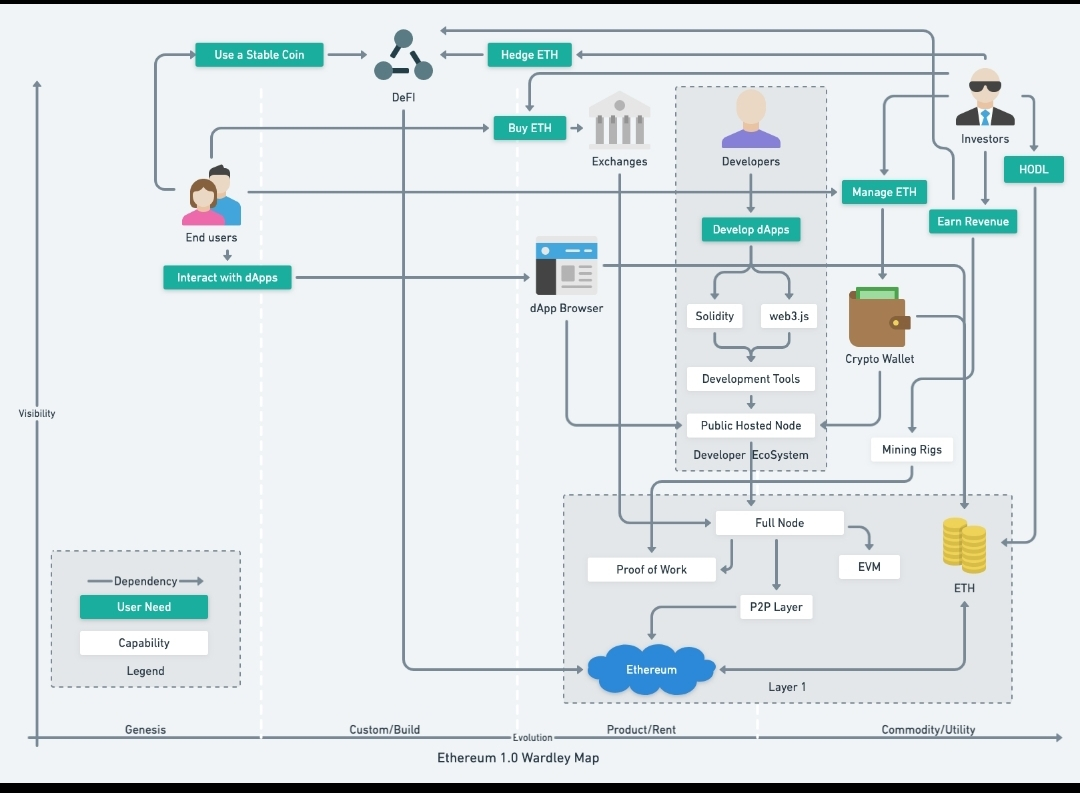
Vanar leans into account abstraction ideas to make wallets something that can exist in the background. Login flows feel normal. Apps behave like apps. Users don’t need to understand what chain they’re on, and honestly, they shouldn’t have to.
This isn’t dumbing things down. It’s respecting reality.
Chains Are Backends Now
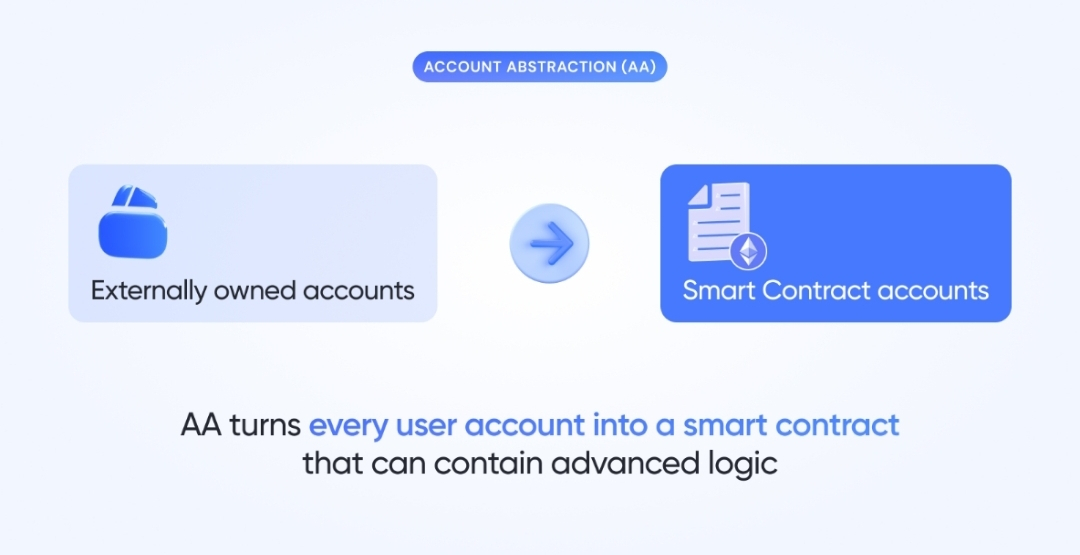
Another thing Vanar seems to understand: most blockchain activity is not humans clicking buttons. It’s services talking to services. Bots. Indexers. Agents. Schedulers.
Vanar treats itself like backend infrastructure. Predictable execution. Stable behavior. No surprises.
That’s boring in a good way. Software teams don’t want excitement at the base layer. They want consistency.
Distribution Happens Through Tools, Not Hype
One of the most telling signs of seriousness is where Vanar shows up. Not just on social feeds, but inside developer platforms, tooling ecosystems, and deployment environments.
That’s where decisions are actually made.
Chains don’t win because they announce partnerships. They win because a developer sees them as an option at the moment of building. Vanar clearly understands that distribution is mostly invisible.
Why Vanar Feels Easy to Miss
There’s no spectacle here. No dramatic narrative. No promise of overnight dominance.
But what Vanar offers compounds quietly:
Fewer onboarding drop-offs
Fewer support tickets
Fewer deployment regrets
Those things don’t trend, but they decide which platforms survive.
When teams launch once without pain, they usually come back. When users don’t feel confused, they stick around. That’s how ecosystems form in real life, not on dashboards.
Where This Direction Leads
Vanar isn’t chasing crypto natives. It’s preparing for users who won’t even know they’re using Web3. Products that feel normal. Apps that behave predictably. Infrastructure that doesn’t demand attention.
That future won’t belong to the loudest chains. It’ll belong to the ones that made building feel safe and boring enough to trust.
Vanar seems comfortable with that role.