The global energy market has entered February 2026 under a cloud of significant uncertainty. While the broader trend for crude oil remains tethered to a bearish long-term outlook, short-term price action is being dictated by a volatile mix of geopolitical friction and aggressive market hedging. Investors are currently walking a tightrope between the fear of sudden supply chokepoints and the reality of a looming global oversupply.
Geopolitical Risk Premiums Drive Early 2026 Surge
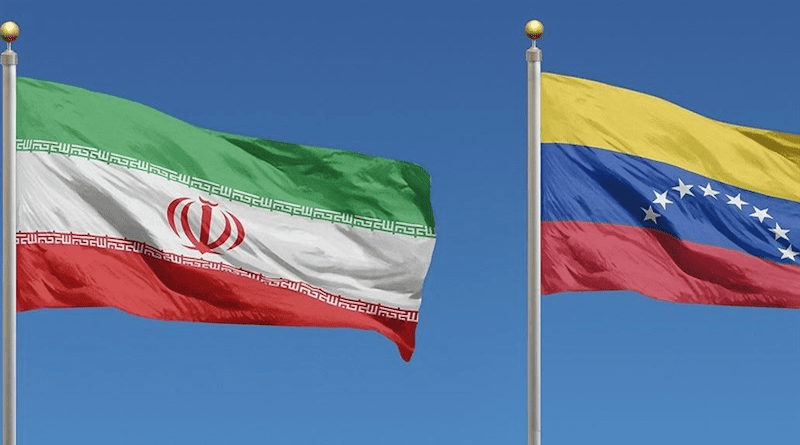
The opening month of 2026 saw oil prices surge as traders reacted to escalating tensions in two critical production hubs: Iran and Venezuela. In the Middle East, renewed anxiety surrounding Iranian crude exports and potential disruptions near the Strait of Hormuz have re-injected a "war premium" into global benchmarks.
Simultaneously, the supply picture has been further complicated by shifting dynamics in South America. While new flows of Venezuelan crude have raised concerns about increased competition in export markets, the political instability surrounding these shipments has added a layer of unpredictability that the market is struggling to price accurately.
Historic Hedging and Market Reaction
The fear of a "supply shock" triggered a massive wave of activity in January. Trading volumes for WTI Midland in Houston hit historic highs as investors rushed to lock in prices at record levels. This aggressive hedging behavior signals deep-seated anxiety; market participants are willing to pay a premium now to protect themselves against the risk of a sudden shortage later.
Adding to the upward pressure, recent weather-related disruptions in the United States have tightened near-term supplies, providing a physical catalyst to match the geopolitical sentiment.
Technical Outlook: The $80 Resistance Barrier
Despite the recent spikes, the long-term technical structure for WTI Crude remains fundamentally bearish. Analysts note that as long as prices stay below the $80 resistance level, the market is likely to remain in a state of consolidation.
Key Support Levels: In the short term, oil is finding a floor between $62 and $65.
The Trading Range: The market is currently oscillating within a wide corridor of $55 to $70.
Bearish Indicators: A breakdown below the $55 mark would signal a significant structural decline, reminiscent of the sharp drops seen in 2014.
The Equilibrium Challenge
The current market is essentially directionless, caught between two opposing forces. On one side, the threat of conflict and sanctions keeps prices buoyant. On the other, the persistent threat of a global supply glut—fueled by high production levels outside of OPEC+—continues to cap any significant rallies. Until there is a definitive resolution to the tensions in the Middle East or a clear shift in global demand, volatility will remain the primary hallmark of the 2026 oil market.
#ADPDataDisappoints #WhaleDeRiskETH #EthereumLayer2Rethink? #USIranStandoff