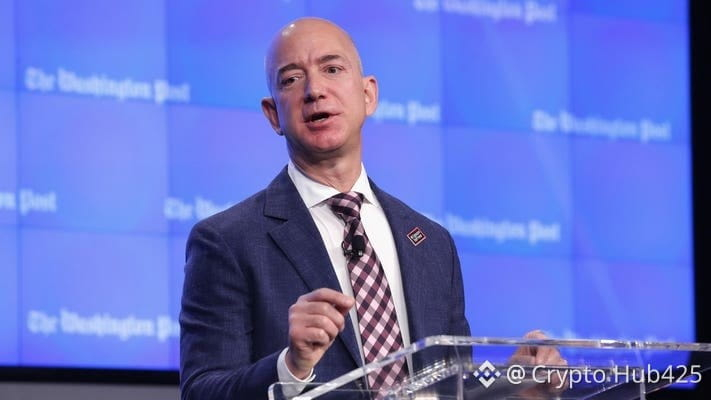
Jeff Bezos has gone quiet on The Washington Post even as the paper he bought in 2013 cuts deep into its newsroom. After years of internal turmoil and shifting editorial direction, the Post recently announced a major round of layoffs affecting about one-third of its staff, including foreign bureaus, the sports desk, books section, and daily podcast. Critics inside and outside journalism are calling the move a blow to one of the world’s most influential newspapers.
Bezos hasn’t publicly commented on the latest cuts in nearly a year, despite repeated pleas from journalists to intervene. That silence is drawing scrutiny because this isn’t just about jobs being lost. It’s about the broader credibility and independence of a major media outlet in an era when reliable reporting feels more important than ever. Former Post editors and media experts have warned that these changes risk hollowing out local and global coverage at a time when audiences are already fragmented.
The move follows controversial decisions over recent years, including editorial shifts that led to subscriber losses and internal resignations. For many readers, this is more than restructuring. It’s a moment that raises questions about the future of serious journalism when financial pressures meet changing leadership priorities.
Key takeaway:
As legacy media evolves in 2026, this situation highlights the growing tension between digital economics and journalistic missions. Whether you follow global news for context or local reporting for daily life, the ripple effects of this restructuring will matter well beyond Washington.
What’s your take? Is this the end of an era for major newspapers or the start of a new model for news? 👇
#JPMorganSaysBTCOverGold #xAICryptoExpertRecruitment #ADPDataDisappoints