
Understanding Plasma Architecture Basics
Plasma architecture was introduced to solve one of blockchain’s oldest problems: how to scale without sacrificing security or decentralization. It works like a tree, where a main blockchain acts as the root and smaller chains branch out to handle activity. These smaller chains process transactions independently while still relying on the main chain for security.
For builders, this idea is similar to opening express lanes on a highway instead of forcing all traffic through one road. Transactions move faster, costs stay lower, and congestion is reduced. Plasma’s design shows how thoughtful structure can unlock massive performance improvements without reinventing everything.
Scalability Lessons From Plasma Design
One of Plasma’s strongest lessons is that scalability does not always require a bigger base layer. Instead of increasing block sizes endlessly, Plasma shifts workload away from the main chain. This approach teaches builders that scaling can be achieved through smart delegation rather than brute force expansion.
Plasma chains handle high transaction volumes efficiently while periodically committing summaries back to the main chain. Think of it like writing daily totals instead of logging every receipt in a ledger. Builders can learn how batching and off chain execution dramatically improve performance.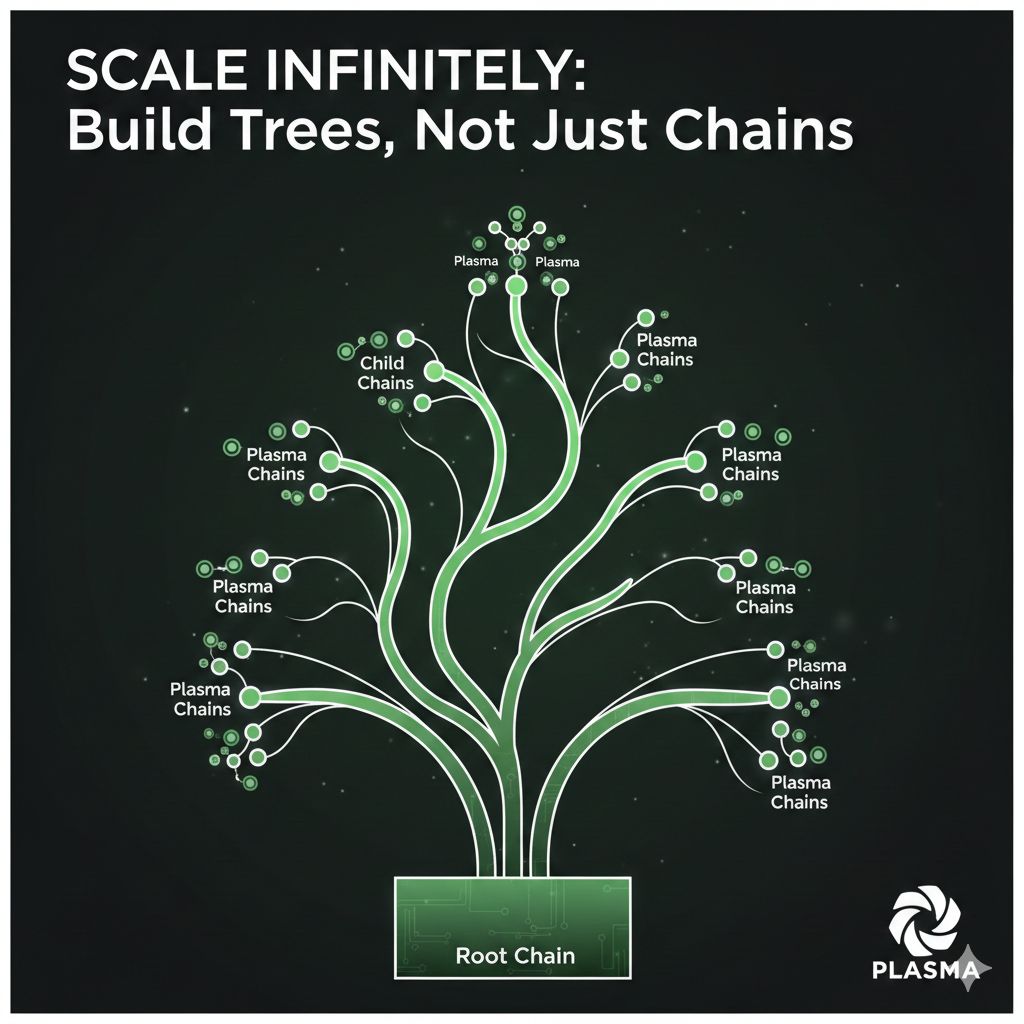
Security Through Economic Incentives
Plasma emphasizes security by aligning incentives rather than relying only on complex cryptography. Users always retain the option to exit a Plasma chain and settle on the main chain if something goes wrong. This creates a powerful safety net that discourages malicious behavior.
For next generation builders, this is an important reminder that security is not just technical. Economic design matters just as much. When users and operators know that cheating has consequences, systems become more resilient and trustworthy.
User Experience Matters More Than Complexity
A key lesson from Plasma is that end users should not feel the complexity behind the scenes. Plasma chains are designed to feel fast, cheap, and simple, even though they rely on layered architecture. This focus on usability makes adoption easier and more natural.
Builders can compare this to using cloud storage without worrying about servers. The best blockchain designs hide complexity while delivering smooth experiences. Plasma teaches that technology succeeds when users enjoy using it, not when it impresses engineers alone.
Flexibility For Diverse Use Cases
Plasma allows different child chains to be optimized for different purposes. Some chains can focus on payments, others on gaming, and others on digital assets. This modularity shows builders the value of flexibility in blockchain architecture.
Instead of forcing every application onto one rigid system, Plasma encourages specialization. It is like having different tools in a toolbox rather than one oversized hammer. Future builders can design ecosystems where chains evolve independently while still remaining connected.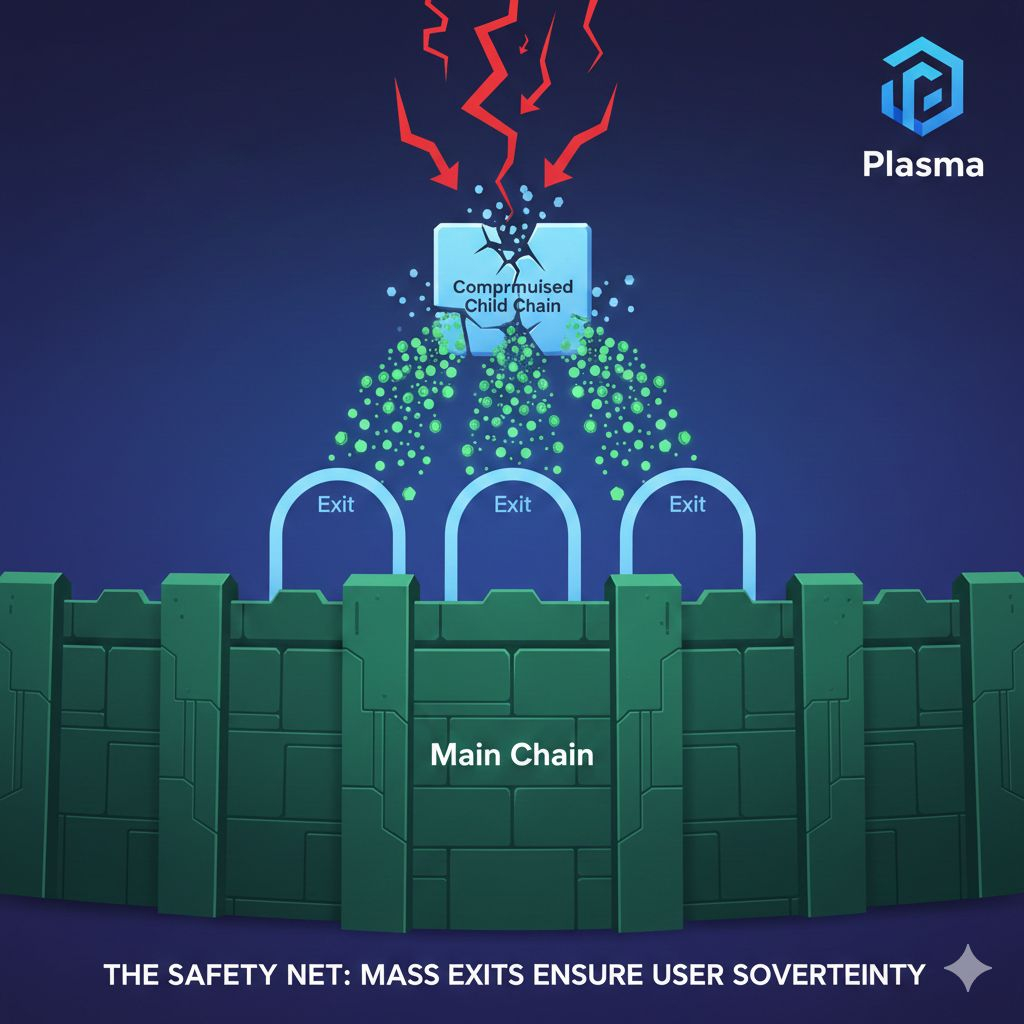
Lessons For Future Blockchain Builders
Plasma’s architecture offers timeless lessons for anyone building next generation blockchains. Scalability comes from structure, not shortcuts. Security comes from incentives, not fear. User experience comes from simplicity, not jargon.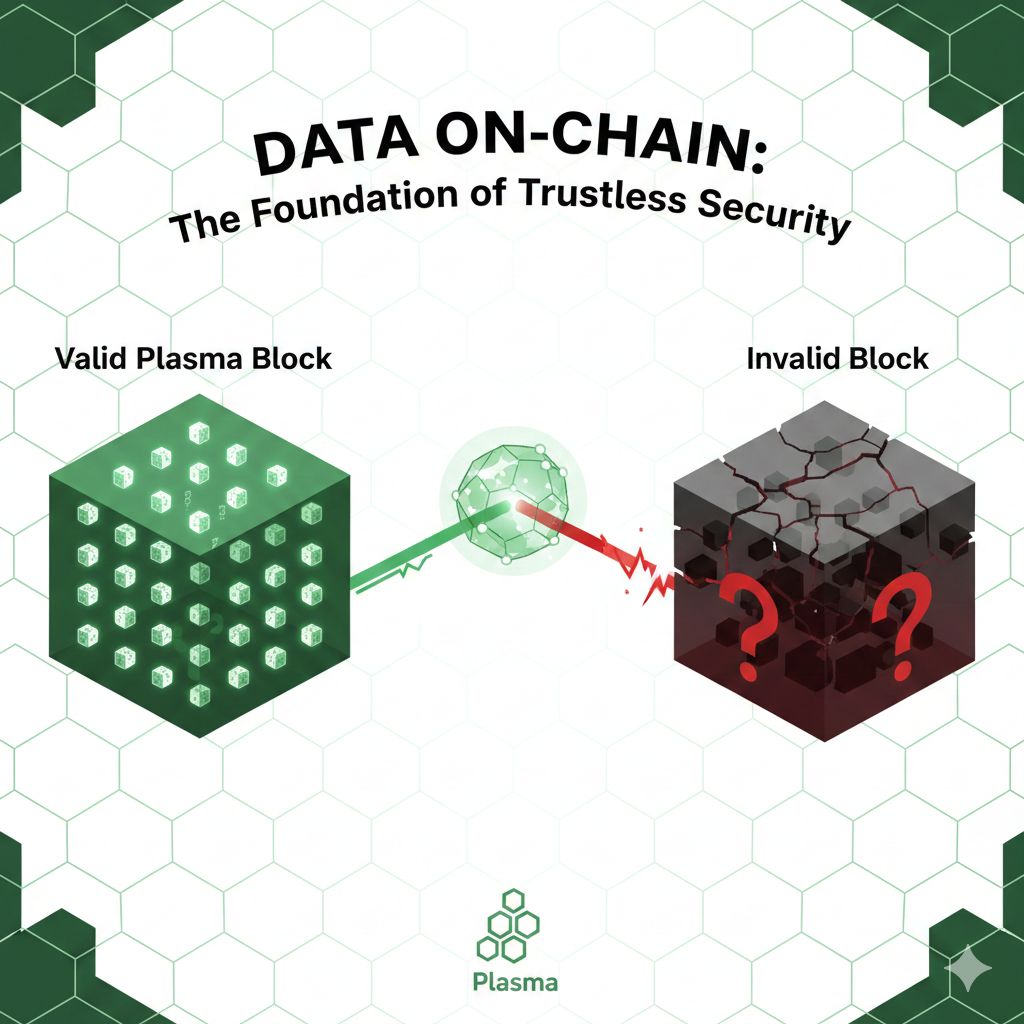
By studying Plasma, builders can design systems that grow sustainably while staying inclusive and secure. These lessons continue to guide innovation toward blockchains that feel practical, reliable, and ready for global adoption.