
What User-First Design Really Means
User-first platform design starts with a simple question: how does this make life easier for people. Instead of focusing on features, it prioritizes comfort, clarity, and relevance. Platforms built this way feel intuitive, even to first-time users.
In a digital world full of complexity, user-first design reduces friction. It avoids overwhelming people with choices or technical language. The goal is to feel helpful, not impressive.
DUSK fits naturally into this philosophy. It does not ask users to learn new behaviors or systems. Instead, it enhances experiences people already enjoy socially.
By respecting how users think and act, DUSK reflects a mature approach to digital design. It proves that simplicity can be powerful.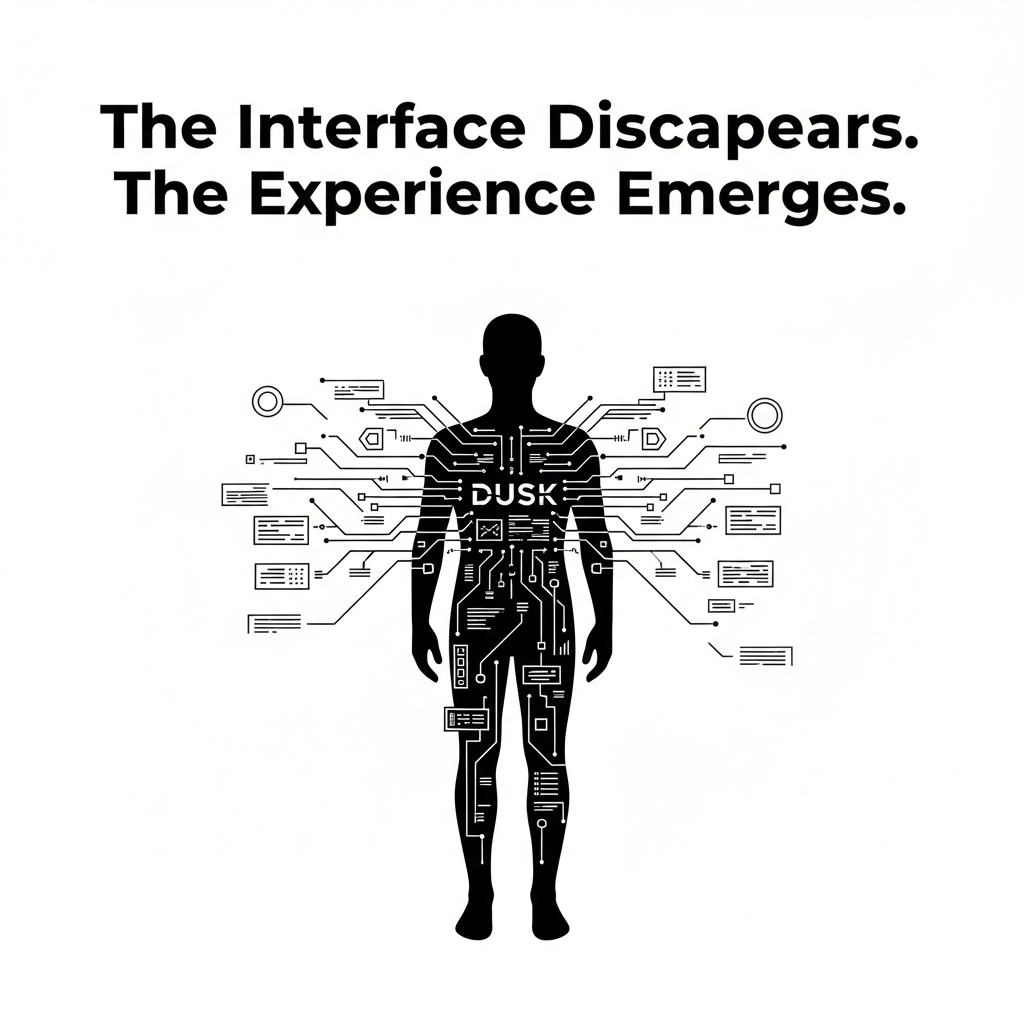
Designing Around Real Human Behavior
Many platforms fail because they expect users to adapt. User-first design flips this expectation by adapting to people instead. This approach observes natural behavior and builds around it.
DUSK connects with users in social environments where they already feel relaxed. Bars and restaurants are familiar spaces. This familiarity lowers resistance to digital interaction.
The experience feels like a natural extension, not an interruption. Similar to how contactless payments blended into daily routines, DUSK blends into social habits.
By designing around real behavior, DUSK increases comfort. Comfort leads to engagement, and engagement builds trust.
Simplicity as a Core Design Principle
Simplicity is not about removing value. It is about presenting value clearly. User-first platforms focus on what matters most and remove distractions.
DUSK avoids unnecessary steps or complicated flows. Users can participate without instructions or explanations. This accessibility is intentional.
Think of it like using an elevator instead of stairs. The goal is to reach the same place with less effort. DUSK reduces effort while maintaining meaningful interaction.
This simplicity encourages broader participation. When people understand something instantly, they are more likely to use it again.
Trust Built Through Respectful Design
Trust grows when users feel respected. User-first design respects time, attention, and privacy. DUSK demonstrates this by keeping interactions transparent and optional.
Users are not pressured to engage beyond their comfort level. There are no hidden mechanics or confusing incentives. This clarity reduces skepticism.
Respectful design also means predictable behavior. DUSK behaves consistently, which builds reliability over time. Reliability is a foundation of trust.
When users trust a platform, they engage more openly. This openness supports healthier digital communities.
Lessons for Web3 and Digital Platforms
Web3 often emphasizes innovation but sometimes overlooks usability. User-first design bridges this gap. DUSK offers a practical example of how to make digital tools approachable.
Instead of leading with complex concepts, DUSK leads with experience. Understanding comes after value is felt. This sequence matters for adoption.
Web3 platforms can learn from this approach. Familiarity reduces fear, and usefulness builds curiosity. DUSK reflects both principles.
By prioritizing users over features, platforms can grow more sustainably. Adoption follows comfort, not complexity.
Why User-First Design Signals the Future
As digital tools integrate deeper into daily life, expectations will rise. People will choose platforms that feel human and respectful. User-first design will become a baseline, not a bonus.
DUSK shows how thoughtful design creates long-term relevance. It avoids chasing trends and focuses on experience. This focus builds loyalty naturally.
The future of digital adoption depends on trust, clarity, and ease. Platforms that ignore these elements will struggle to retain users.
DUSK’s approach highlights a clear direction forward. Design that puts users first builds confidence, community, and lasting engagement.