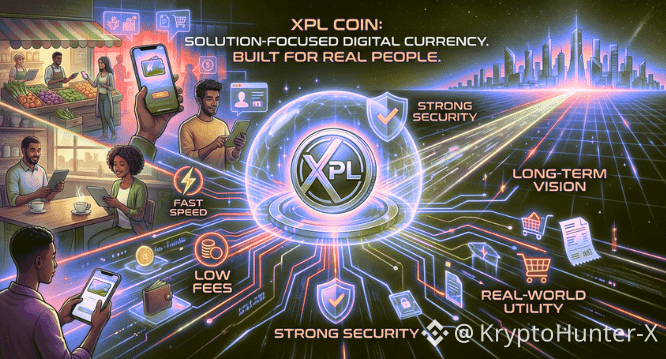
Imagine a blockchain built not for hype, not for endless NFTs or games, but for the real backbone of money itself stablecoins. That’s Plasma. This Layer 1 network was designed to make transferring USDT faster than ever, cheaper than ever, and safer than ever, all while staying compatible with Ethereum. Launched in September 2025, Plasma stunned the crypto world by opening its doors with over $2 billion in stablecoin liquidity, ready to power payments across DeFi, merchants, and everyday users.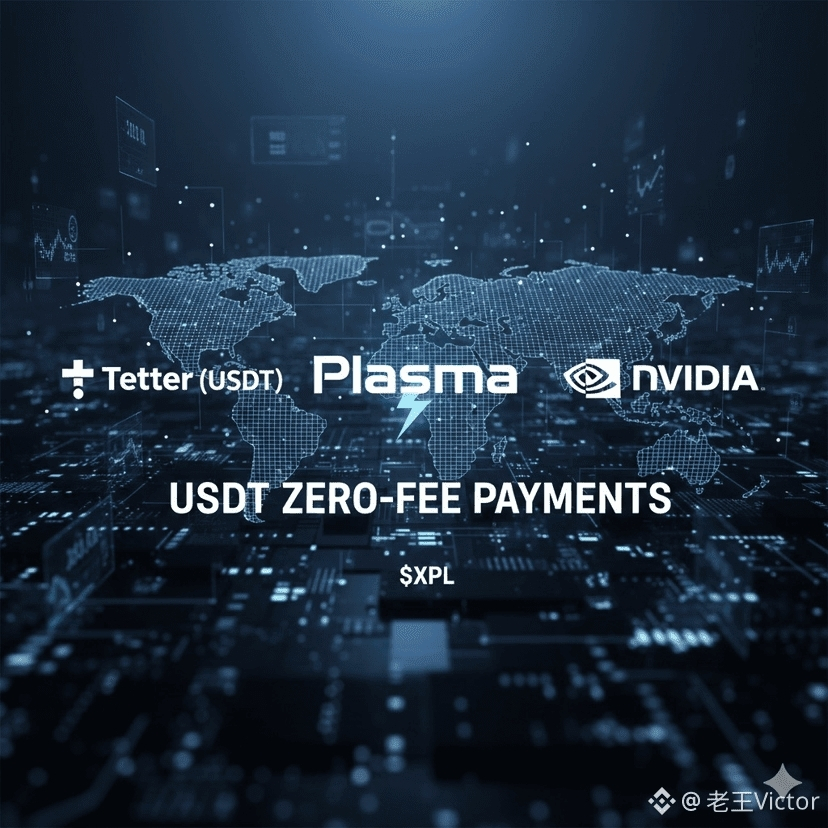
What sets Plasma apart is its unique blend of speed, cost, and trust. Its PlasmaBFT consensus works like a turbocharged, secure traffic controller, confirming thousands of transactions per second in under a second. Sending USDT costs nothing, thanks to a smart system that covers gas fees for users, and payments can even be made using other assets like Bitcoin. Developers don’t have to learn a new language either they can deploy Ethereum smart contracts directly, while Plasma anchors its security to Bitcoin, offering a layer of neutrality and censorship resistance most chains can only dream of.
The ecosystem is moving fast. From day one, major DeFi partners like Aave, Euler, and Fluid integrated Plasma, giving it a spot among the top blockchains by stablecoin deposits. Real-world use is taking off too Plasma teamed up with AliXPay, allowing over 200 million users to spend USDT at more than 34 million merchants in Southeast Asia with instant fiat conversion. CeFi platforms like Nexo now support Plasma transfers too, letting users earn interest or borrow funds directly with USDT or XPL tokens.
Behind the scenes, the project is backed by heavyweights like Bitfinex, Tether, Founders Fund, and Framework Ventures, with early funding surpassing $20 million. Plasma’s vision is clear: provide a fast, stable, and secure payment rail for emerging markets and the global economy. The team is already rolling out improvements like core protocol optimizations, Bitcoin bridging for added liquidity, and optional confidential transactions to protect user privacy.
Plasma isn’t just about technology; it’s about real-world use. Retail remittances, point-of-sale payments, institutional settlements, and DeFi integrations are all part of the plan. But it’s not without risks. The blockchain world is competitive, and stablecoin rails face scrutiny from regulators everywhere. Plasma’s long-term success will depend on adoption beyond initial partners and the team’s ability to deliver on features like BTC bridging and private payments.
The $XPL token is already making waves on exchanges, with community excitement fueled by its stablecoin-first approach. It’s not just another crypto it’s a tool to make money move as smoothly as the internet itself, without friction, delay, or extra cost.
Plasma is here to show that a blockchain can be practical, fast, and safe an engine for the next generation of global payments. And if it delivers on its promises, it could redefine how we think about money in a digital world.