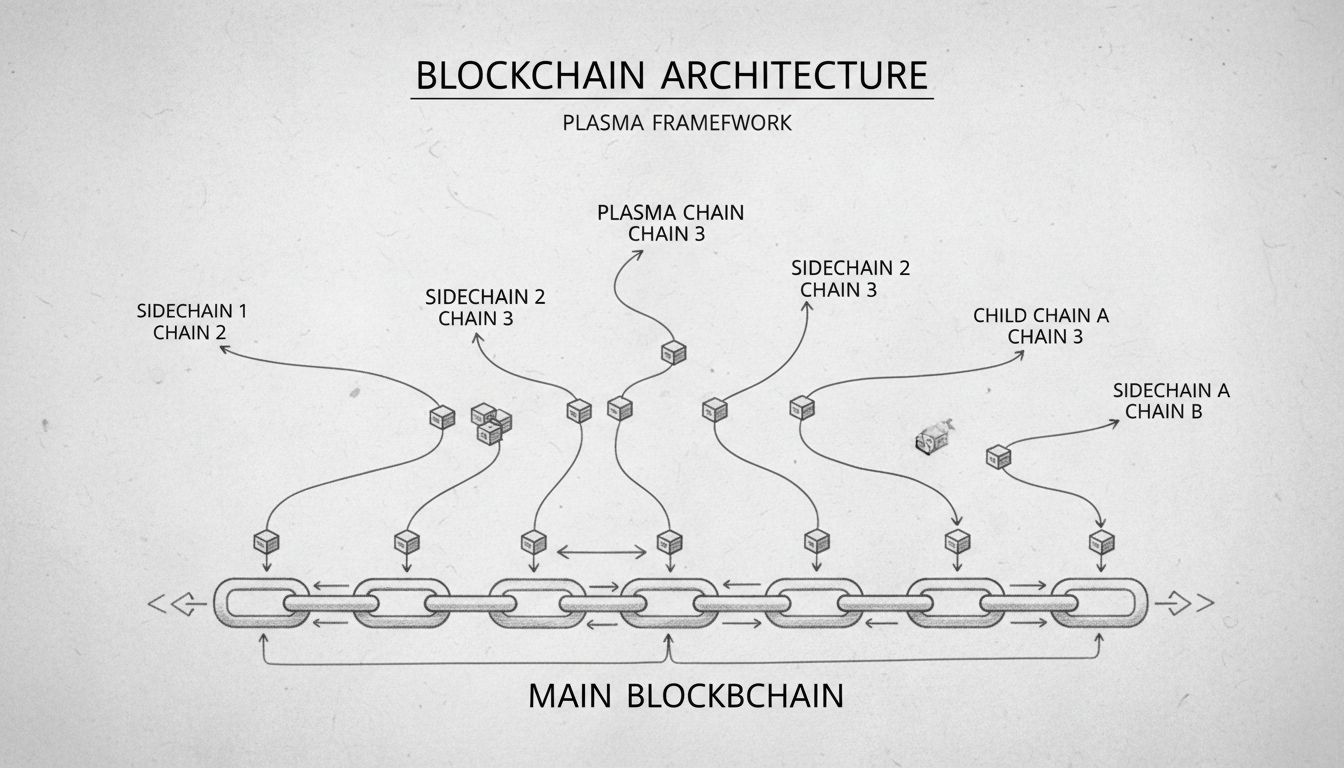
As blockchain adoption grows, the pressure on networks to handle high activity without slowing down has become a defining challenge. Plasma emerged as one of the earliest and most practical pathways toward scaling blockchains without sacrificing security. Instead of forcing every interaction onto the main chain, Plasma builds a structure of smaller, independent chains that handle most of the work while still relying on the security of the parent network.

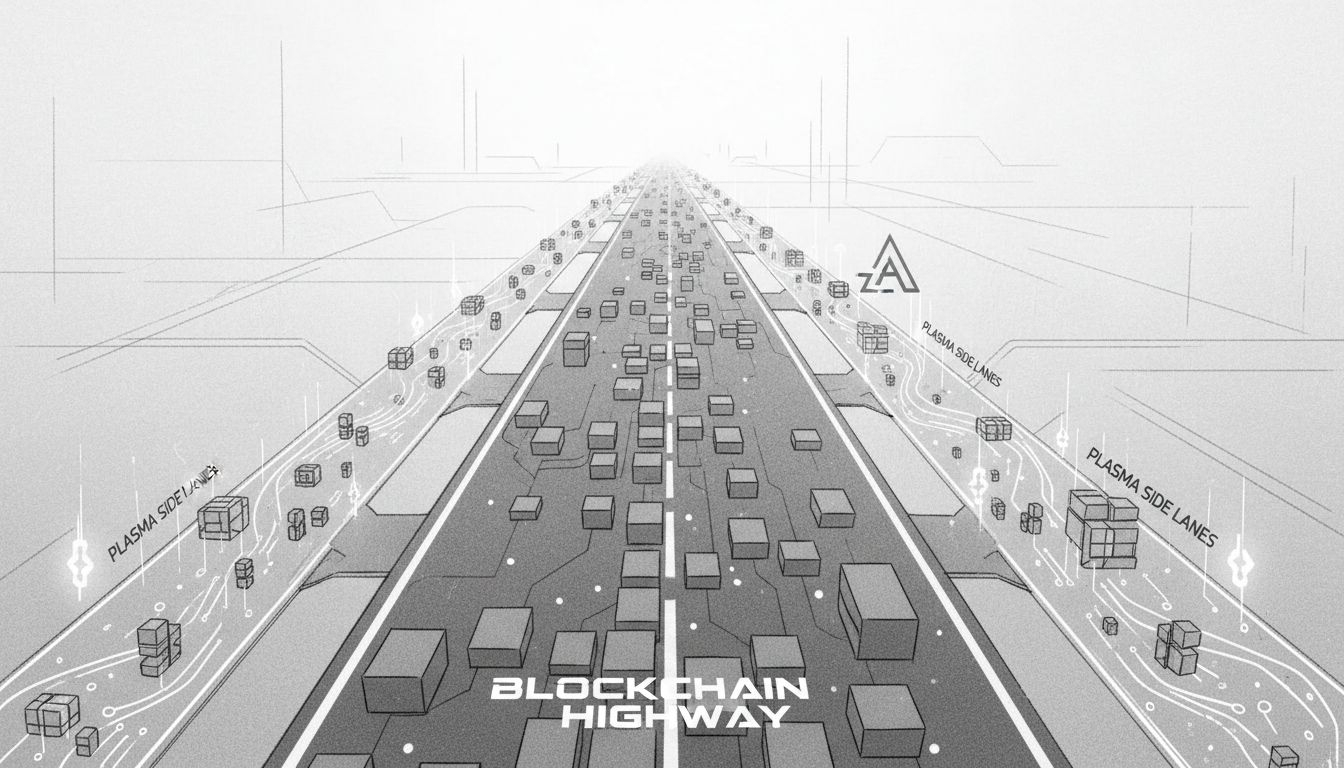
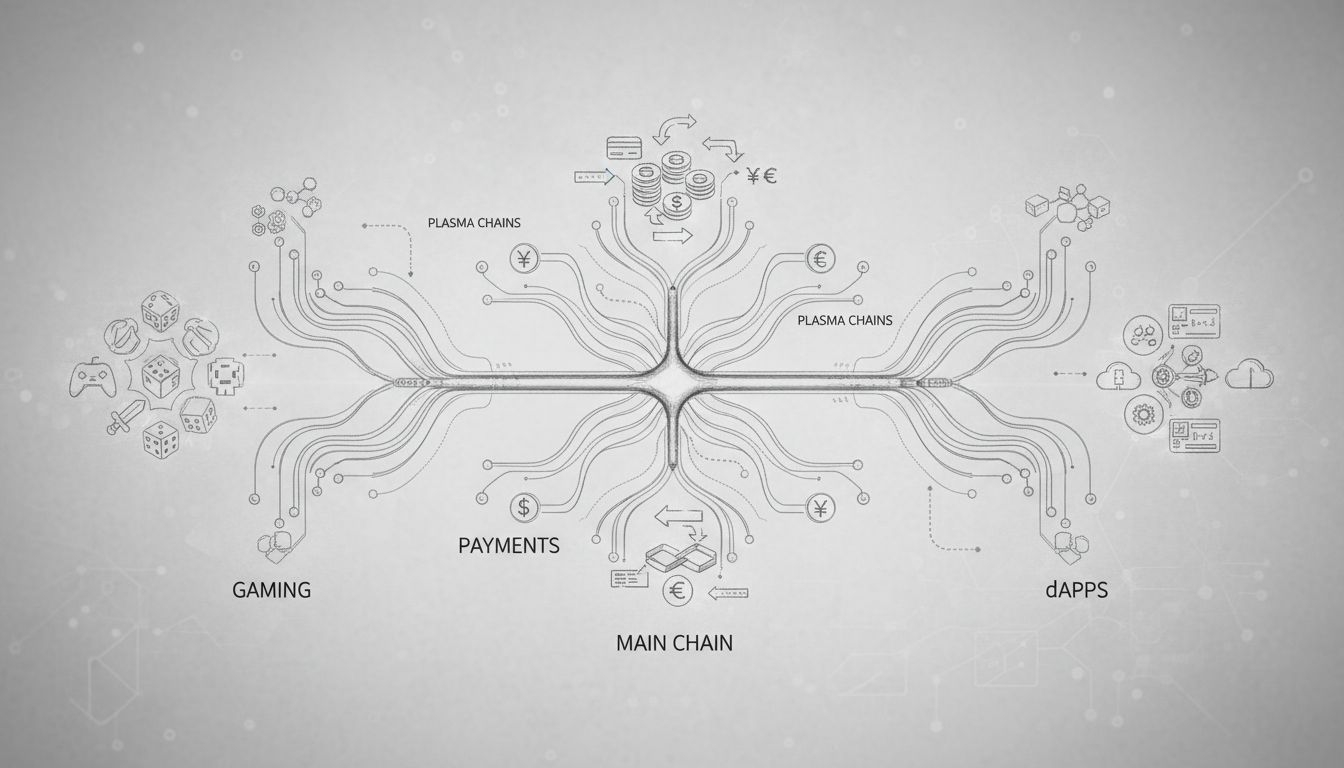
The core idea is simple: treat the main chain as the final authority and allow child chains to manage day to day transactions. These smaller chains process activity quickly and cheaply, then submit summaries back to the main network. This approach reduces congestion and makes large scale applications more feasible. Markets, games, identity systems, and other high volume platforms can operate more smoothly when most of their traffic does not burden the base layer.
A major benefit of Plasma is its reliance on cryptographic proofs. Users can verify their funds and exit from a child chain if anything suspicious occurs. This keeps the system trust minimized while still offering speed boosts. Over time, several variations of Plasma such as Plasma Cash and Plasma Debit have explored different ways to simplify data and make verification more efficient.
While newer scaling methods have gained attention, Plasma remains an important milestone. It proved that a blockchain could rely on a hierarchy of chains to scale securely. Many ideas from Plasma still influence modern solutions today. For anyone interested in the evolution of blockchain scaling, Plasma stands as a clear example of how creativity and engineering can push the limits of decentralized systems.