

The crypto market has been anything but predictable lately. Bitcoin is struggling to reclaim key levels, altcoins are swinging wildly, and liquidations are causing panic among traders. For someone stepping into crypto trading, this volatility can feel overwhelming but it doesn’t have to be. Understanding how to navigate uncertainty is what separates reactive traders from those who thrive in the market.
Observe Before You Act
When prices drop sharply, the first instinct is often to panic-sell or chase a “safe” trade. But reacting impulsively is one of the fastest ways to lose money. Instead, take a step back and analyze market behavior.
For example, when $BTC recently dipped below a psychological level but quickly bounced back, traders who paused and observed avoided unnecessary losses, while those who sold in panic missed the rebound entirely. Learning to read price movements, watch for support levels, and understand trends is more valuable than acting on emotion.
Observation doesn’t mean staying idle forever it means identifying high-probability opportunities instead of reacting to every candle.

Manage Your Risk Wisely
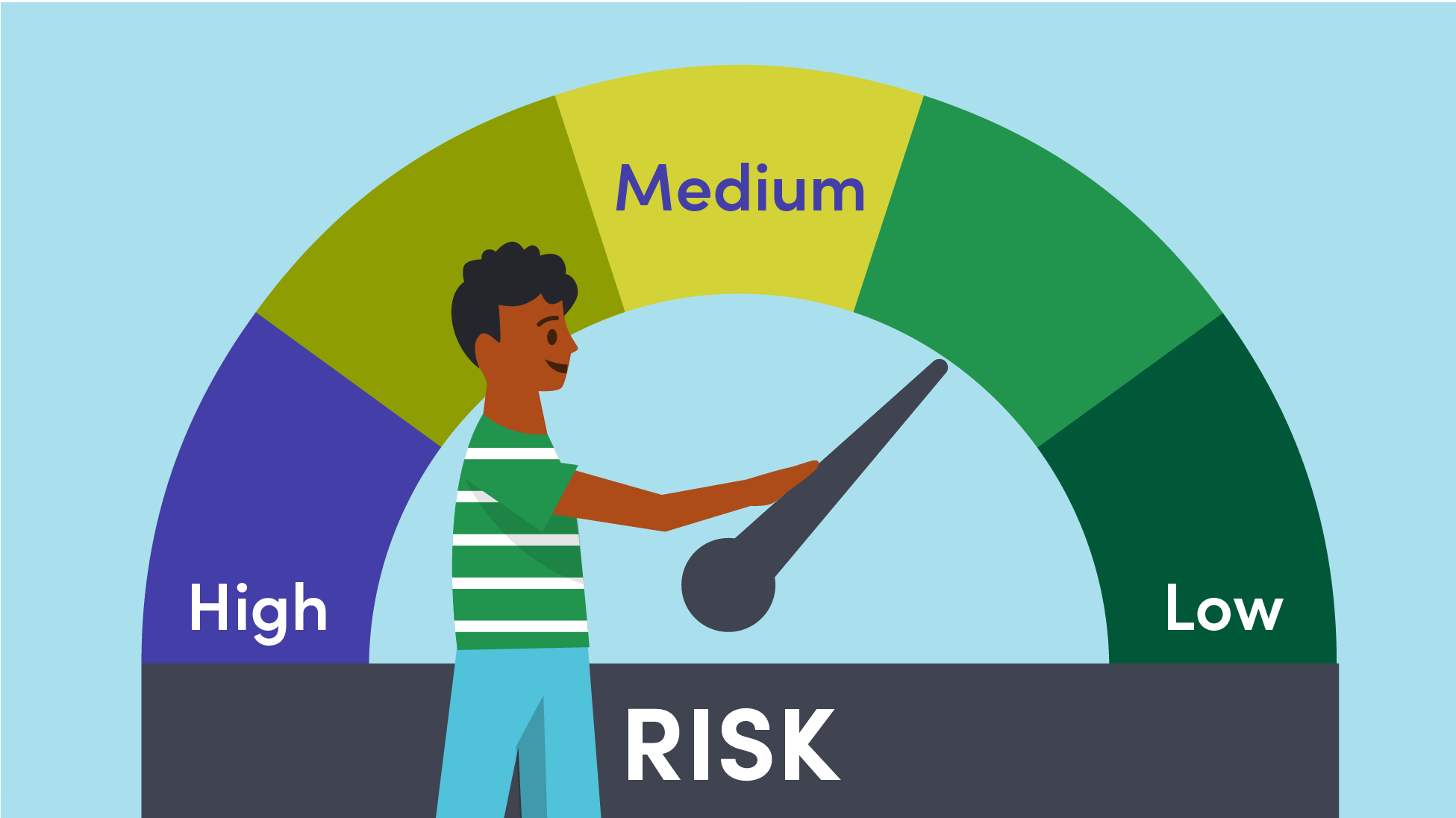
Volatility is the playground of opportunity, but also danger. Trading without proper risk management is like walking a tightrope without a safety net. Beginners often underestimate the importance of position sizing, stop-losses, and portfolio allocation.
A practical rule is simple: only trade what you can afford to lose. For instance, if you’re trading $100, risking $5–10 per trade is much safer than going all-in on a single move. This discipline prevents emotional decisions during sudden market swings and ensures you survive long enough to capture the market’s best opportunities.
Risk management is not about avoiding risk entirely it’s about controlling it. Those who respect their capital consistently stay in the market longer and benefit from rebounds others miss.
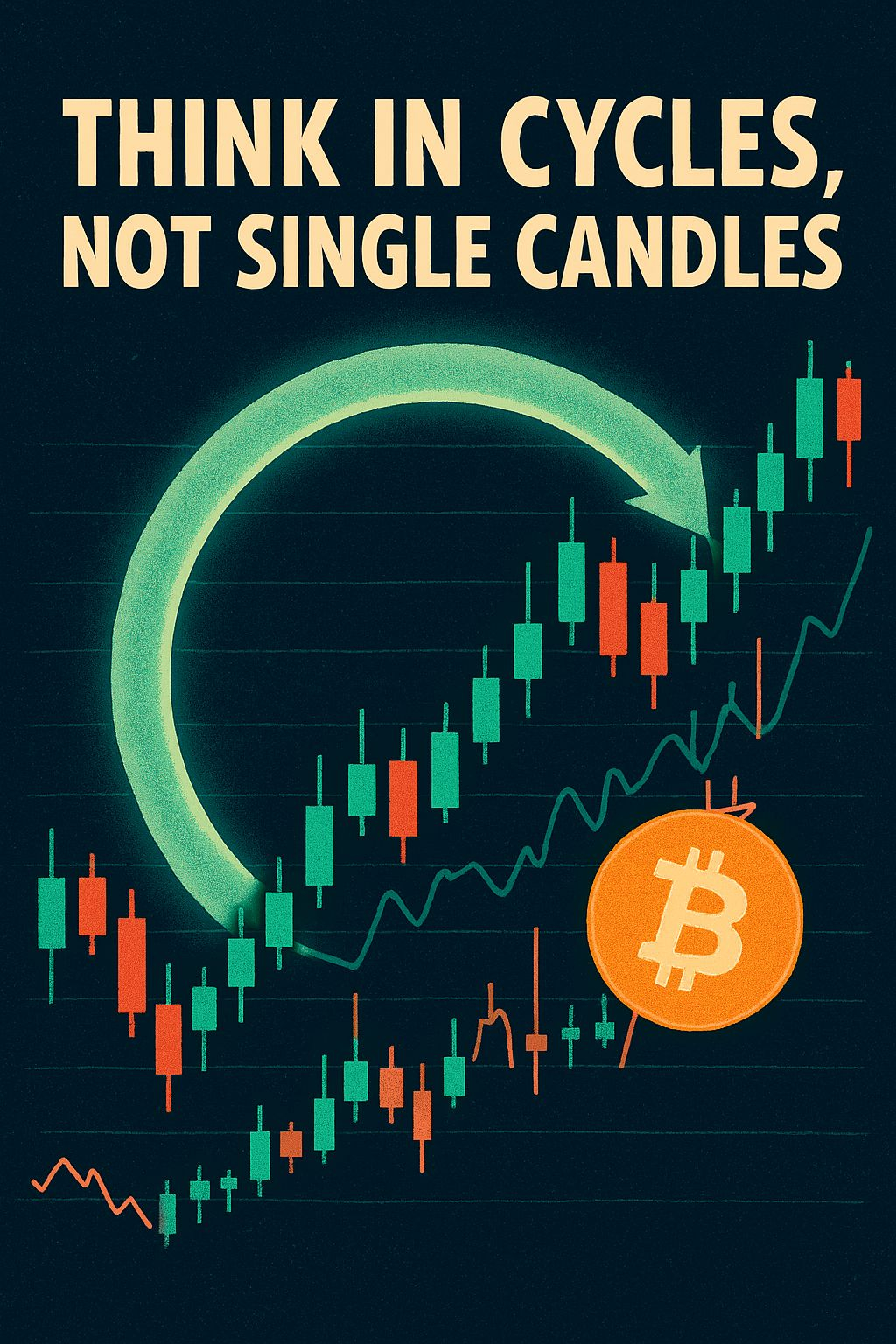
Think in Cycles, Not Single Candles
Many traders judge success by a single red day or a short streak of losses—but crypto moves in cycles: fear, patience, and opportunity. A dip today could be tomorrow’s entry point. A single loss does not define your trading journey.
For instance, $ETH has often shown sharp short-term drops only to recover strongly within days or weeks. Traders who zoom out, keep perspective, and plan with long-term goals in mind are better equipped to take advantage of volatility rather than being consumed by it.
Understanding market cycles also helps avoid overtrading and chasing FOMO-driven moves two common pitfalls that cost beginners dearly.
Patience and Discipline Are Key
Diving into trading isn’t just about learning charts or strategies—it’s about developing patience and discipline. The market will always test your decisions, emotions, and timing. Those who remain calm, follow their plan, and stick to their risk rules are the ones who consistently profit over time.
Volatility is inevitable; panic is optional. By observing before acting, managing risk carefully, thinking in cycles, and cultivating discipline, you can navigate a shaky market with confidence and learn lessons that last far beyond a single trade.

Conclusion
Trading in crypto is exciting but challenging. It will test your knowledge, patience, and emotional resilience. By focusing on careful observation, risk management, long-term cycles, and disciplined execution, anyone can step into the market with clarity rather than fear.
The market will always swing but with the right approach, you can turn those swings into opportunities.