

Most blockchains are great at remembering small things forever: balances, signatures, state transitions. But modern apps aren’t made of tiny strings, they’re made of heavy, messy reality: videos, images, datasets, models, logs, game assets, proofs, and the endless “blobs” that give an app its personality. Walrus exists for that kind of memory: decentralized blob storage that treats big data as a first-class citizen, not an afterthought
Here’s the part that feels different: Walrus doesn’t just store files; it tries to make data programmable without dragging every byte onchain. Think of a dApp that can reference rich media, verify custody, and keep availability guarantees, while using the chain (Sui is used as a coordination layer) for what it does best: coordination, verification, and settlement. In that world, the “app” isn’t only smart contracts; it’s smart contracts plus durable, verifiable data.
Now zoom into the economics, because that’s where $WAL stops being a ticker and starts behaving like a clock. When a user pays for storage, they pay upfront to store data for a fixed amount of time, and that payment is distributed over time to storage nodes (and stakers) as compensation. The design goal is simple but ambitious: keep storage costs stable in fiat terms even if $WAL’s market price swings. That’s not “number go up” tokenomics; that’s trying to make decentralized storage feel like a predictable utility bill.
Security-wise, Walrus leans hard into accountability. There’s a concept called Proof of Availability: an onchain certificate that creates a public record of data custody and marks the official start of the storage service. The “incentive” comes from the fact that storage nodes stake $WAL to become eligible for ongoing rewards, so availability isn’t just a promise, it’s bonded behavior with consequences. When you combine verifiable custody + bonded operators + time-distributed payments, you get a system that’s trying to behave like infrastructure, not hype.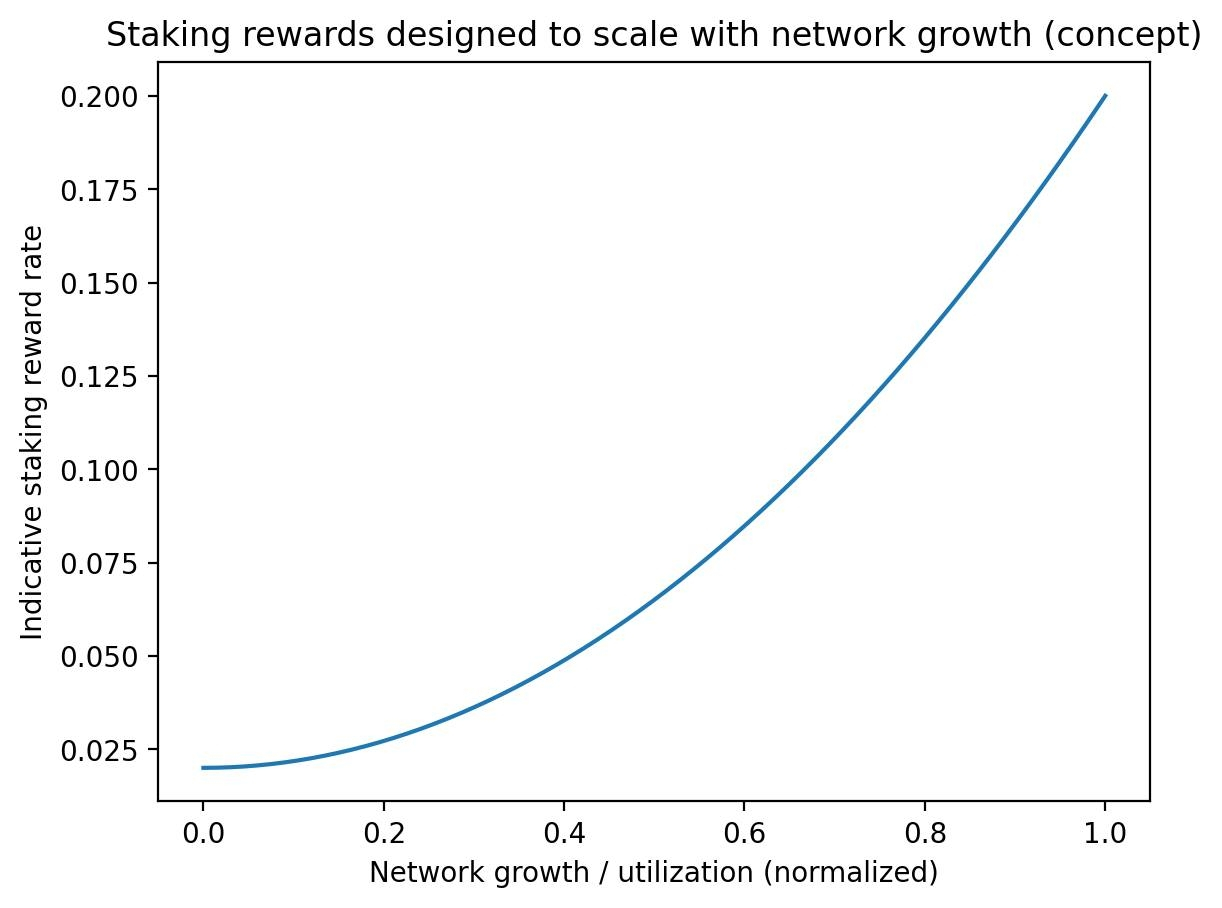
Walrus also has an engineering personality: it’s built around efficient redundancy rather than brute-force replication. Research describing Walrus highlights a 2D erasure-coding approach (RedStuff) that targets strong security with lower replication overhead, plus self-healing recovery that focuses bandwidth on lost data rather than re-downloading everything. In plain terms: instead of “store 10 copies and pray,” it’s “store smart fragments and heal efficiently.”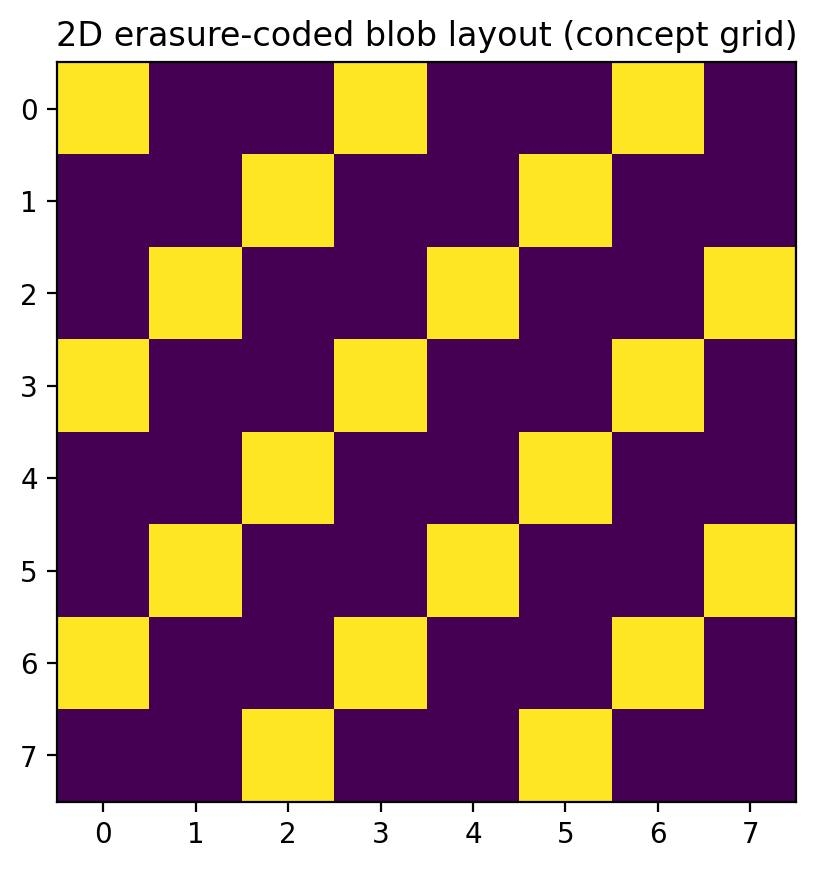
If you’re building, this shifts what’s possible. Imagine:
• a creator platform where videos live on Walrus, access-gated, but still verifiably available;
• a game where skins and maps are blobs that can be referenced, updated, and audited;
• an AI workflow where dataset snapshots are stored, versioned, and provably available to reproduce training runs;
• an onchain identity or RWA app where documents are stored offchain but pinned with onchain proof and predictable service guarantees.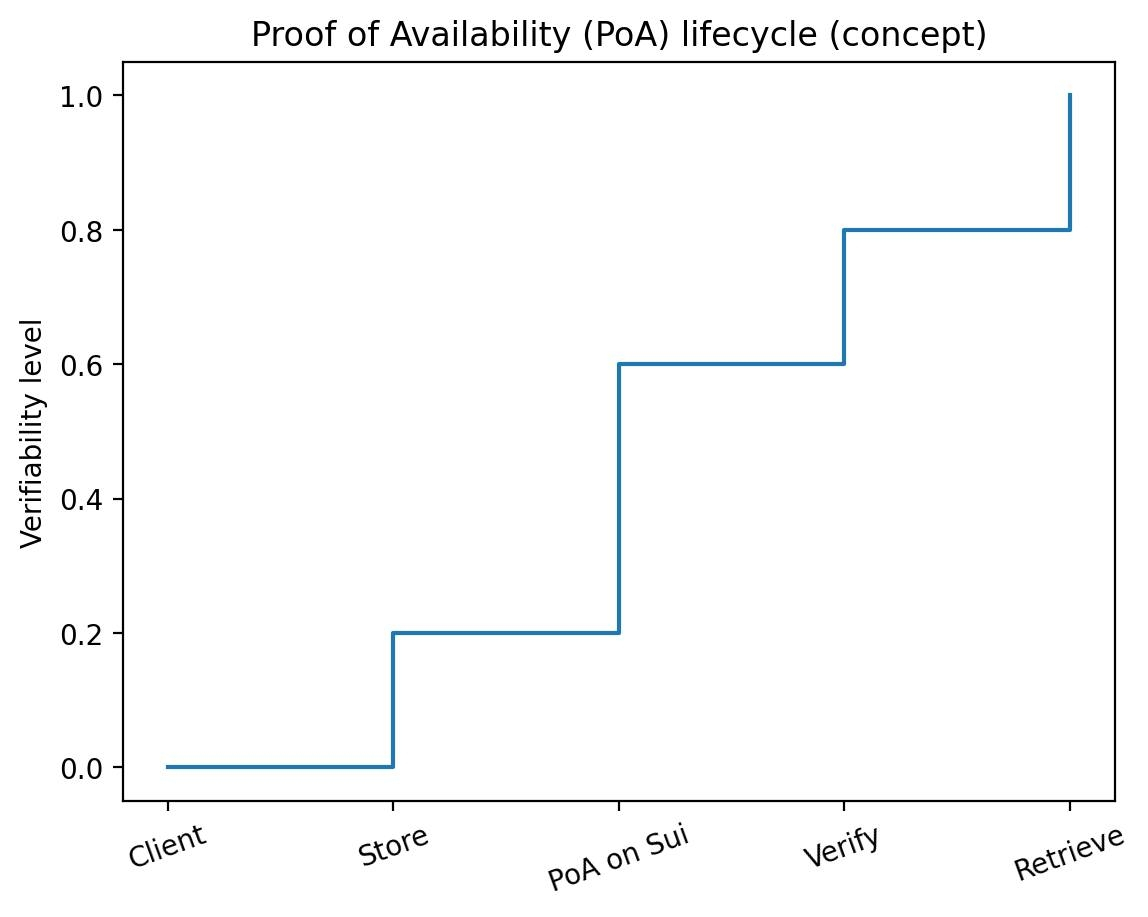
That’s why I keep watching @Walrus 🦭/acc The most interesting networks don’t yell; they quietly remove friction for the next wave of apps. And the most interesting tokens don’t just speculate; they measure, pay, secure, and coordinate. $WAL is designed to do all four, fuel for storage, bond for operators, incentive for availability, and a governance lever for network parameters. If decentralized apps are going to feel like real products, they need real storage primitives. Walrus is aiming to be that muscle.
#Walrus @Walrus 🦭/acc

