
In Web3, a familiar pattern exists: new infrastructure comes out, big promises get made, and everyone waits to see if developers will actually use it. Documentation, SDKs, and tools might not sound exciting, but they can decide if a protocol succeeds or fails. This is how we should view the recent developer tool and SDK improvements on Walrus.
The goal is simple. Walrus wants to make it easier for developers to create applications that use decentralized data storage. Better SDKs, clearer APIs, and more reliable tools should make Walrus feel less like an experiment and more like a platform you can build on with confidence.
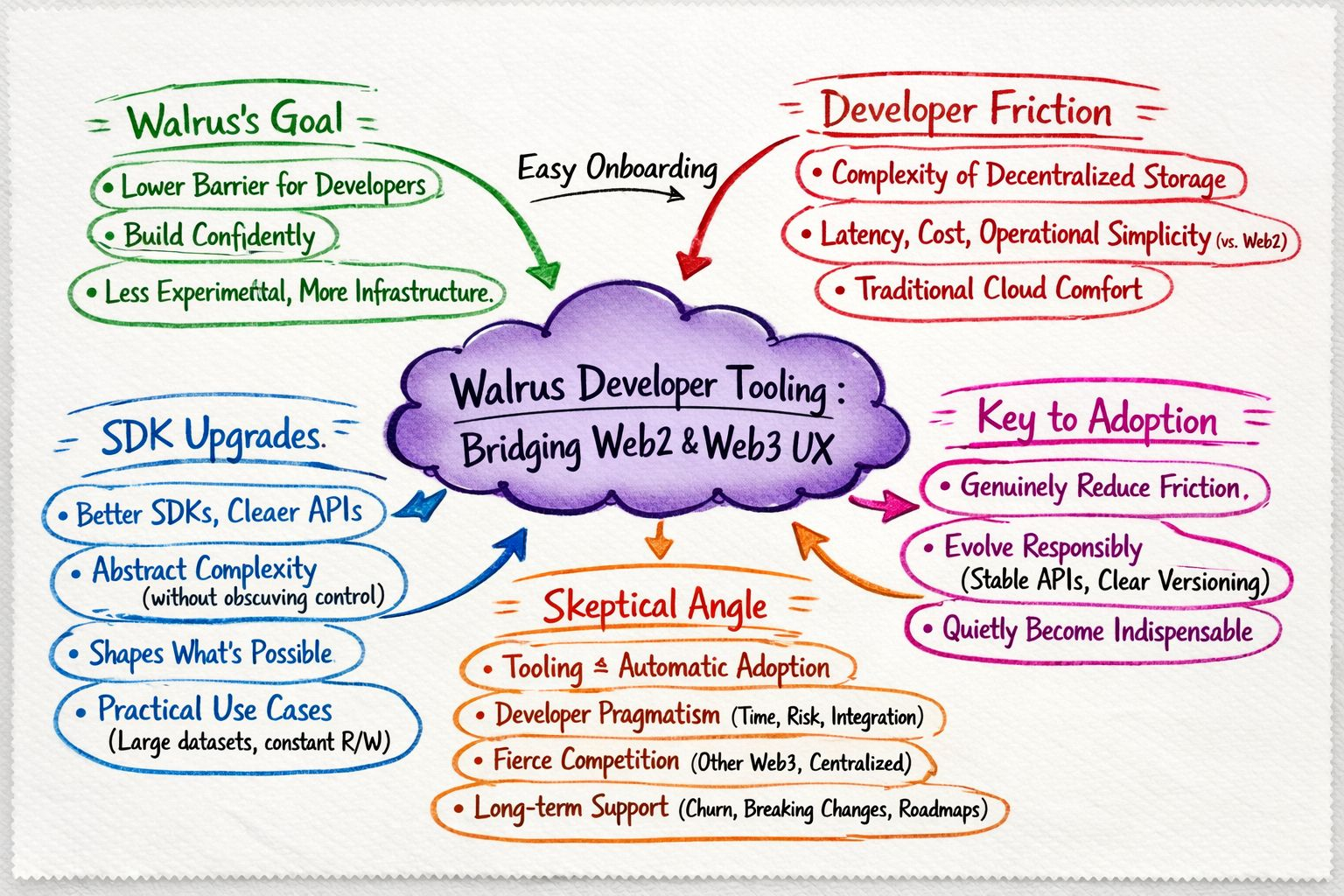
This goal is important, but it's not enough on its own
For many developers, decentralized storage has always been tricky. Uploading, retrieving, checking, and paying for data on a distributed network adds complexity. Typical cloud services hide this complexity with user-friendly interfaces and mature tools. If Walrus wants real dApp use, its developer experience needs to be as good as both other Web3 protocols and the Web2 services developers already know.
This is where SDK improvements become important. A good SDK doesn't just show features; it changes how developers think about what's possible. If Walrus's tools hide complexity without taking away control, they can make decentralized storage feel less like a research project and more like solid infrastructure. This is a subtle but important change.
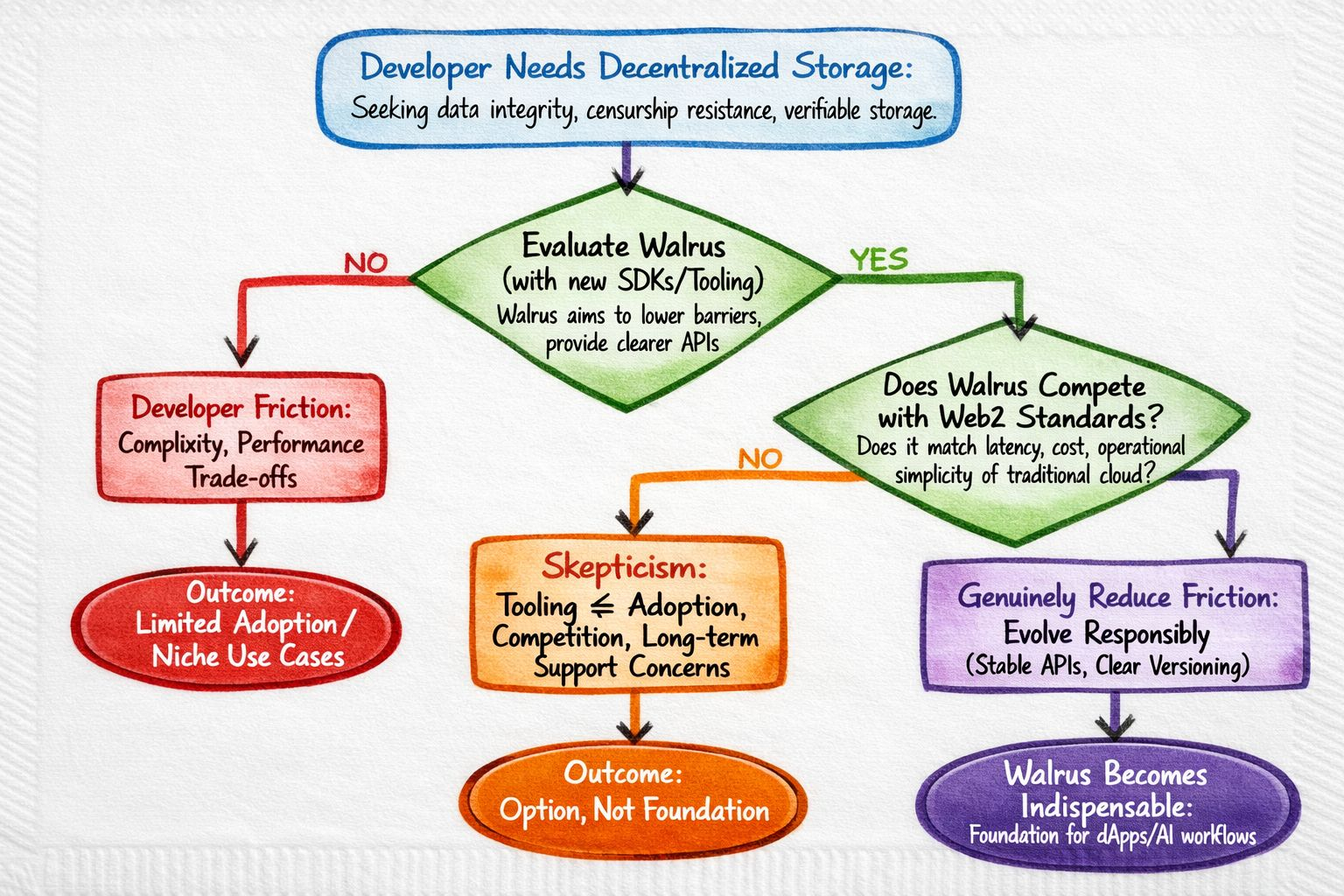
However, we should also be skeptical. Better tools don't automatically lead to more use. Developers are practical. They pick systems that save time, lower risk, and work well with what they already have. Even the best SDK won't help if the basic things—costs, performance, reliability—don't meet real-world needs.
Walrus seems to get this. Recent tool improvements seem focused on practical uses, not just fancy ideas: smoother data uploads, clearer ways to handle huge datasets, and more reliable interactions for applications that need to read and write data constantly. These details matter when building dApps for regular users or AI systems that process a lot of data.
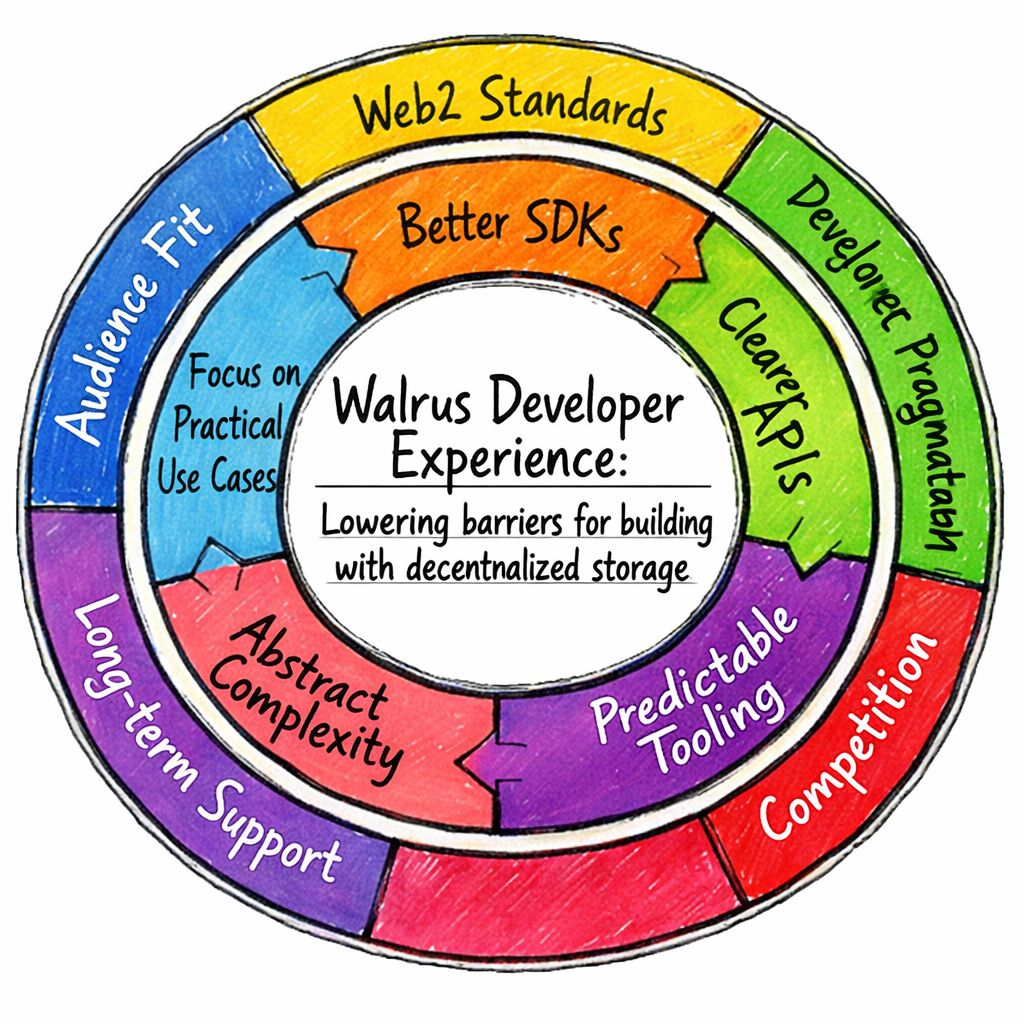
Still, the competition is tough. Other decentralized storage protocols are also trying to improve their developer experience, and centralized providers continue to be very good. For many teams, the question is not, Is Walrus innovative? but Is Walrus worth switching to? Innovation only matters if it changes that decision.
Another problem is finding the right audience. Not every dApp needs decentralized storage. Many applications work fine with mixed systems or fully centralized backends. Walrus's tool improvements are most interesting for developers who already care about data integrity, avoiding censorship, or verifiable storage. This is a good audience, but it's not everyone.
We also need to consider long-term support. Developers don't just look at what tools can do now; they look at whether those tools will be maintained, documented, and supported in the future. SDK changes, broken features, or unclear plans can quickly make developers lose trust, no matter how good the initial release looks.
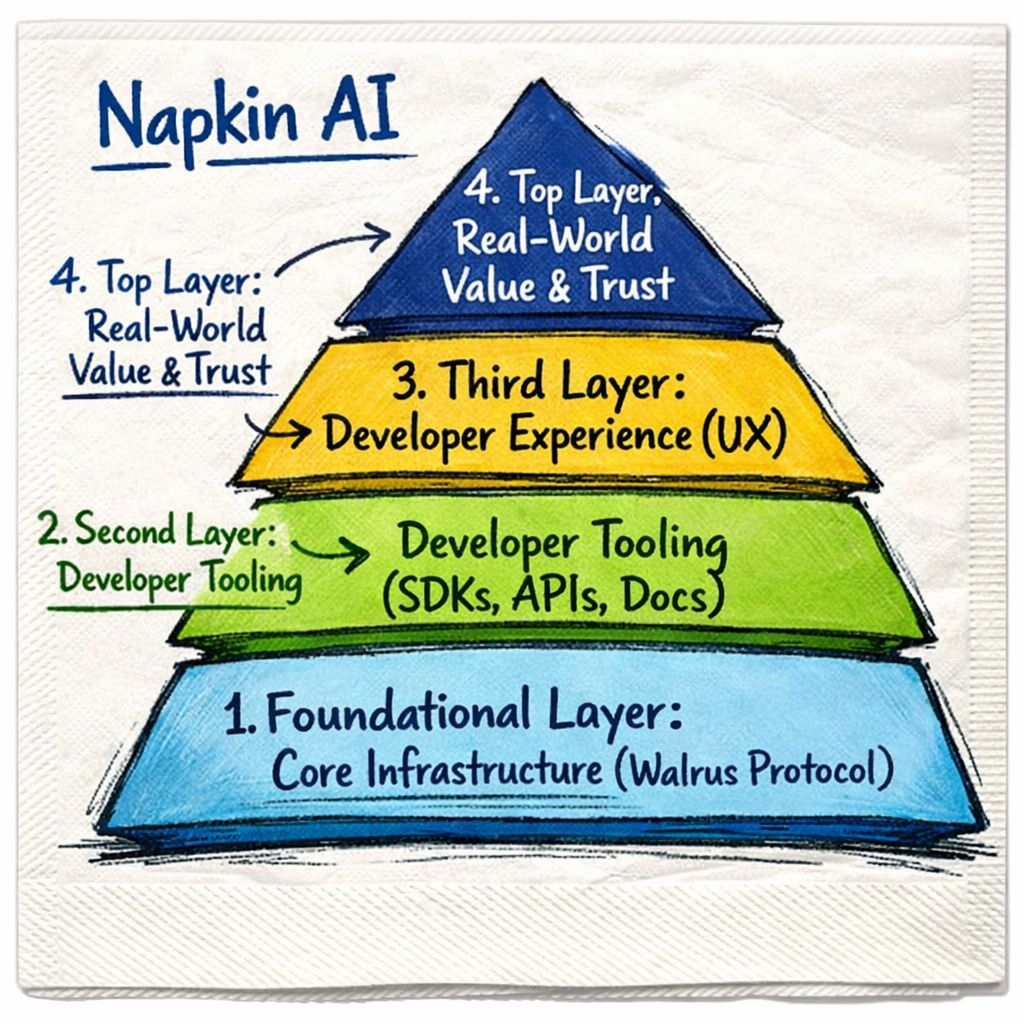
So, progress on Walrus isn't just about adding features; it's about being consistent. Stable APIs, clear versioning, and honest communication are often more important than flashy updates. If Walrus can show that its tools are improving responsibly, it makes developers more likely to use them for real projects.
In the end, developer tools send a message. They show who a protocol is for and how serious it is about getting people to use it. Walrus's SDK improvements suggest a move from experimenting to being useful. This is good news, but adoption will depend on whether developers feel these tools really make things easier, not just hide the problems.
In Web3, infrastructure doesn't succeed by being impressive. It succeeds by quietly becoming essential. Walrus's developer tools are a step in that direction, but whether they become a foundation or just another option depends on developers, not announcements.