
The race for high-performance Layer-1 (L1) blockchains is intensifying. Fogo has entered the arena with an ambitious claim: up to 18× faster performance than established high-throughput networks like Solana and Sui.
Built on the Solana Virtual Machine (SVM) architecture and powered by a custom Firedancer client, Fogo targets ultra-low latency execution, real-time trading, and institutional-grade throughput. But how does it actually compare?
This deep dive breaks down the technology, architecture, performance metrics, and competitive positioning.
The Core Architecture
Built using SVM architecture
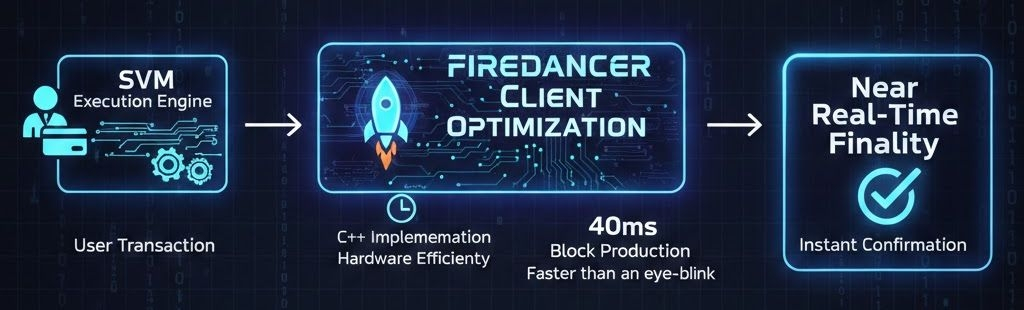
Custom Firedancer client
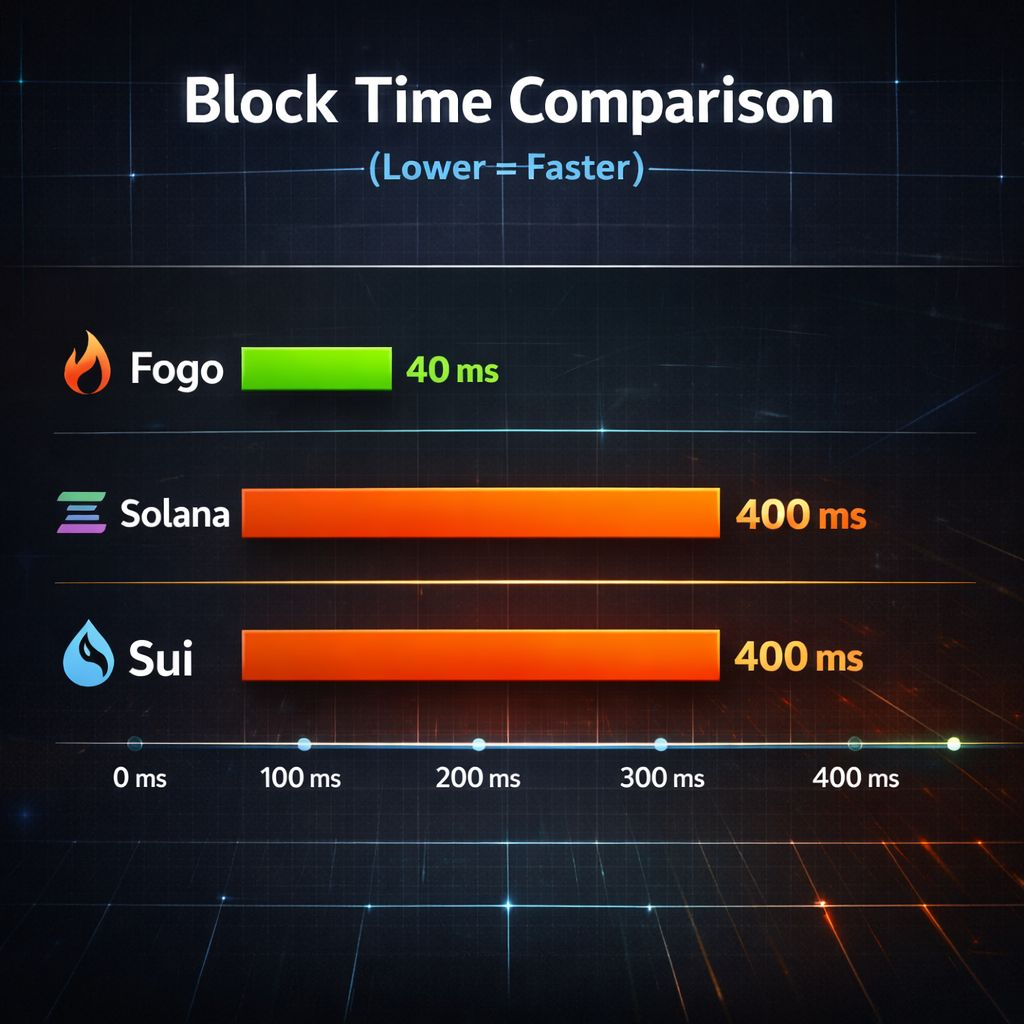
40 millisecond block time
Focused on trading & high-frequency DeFi
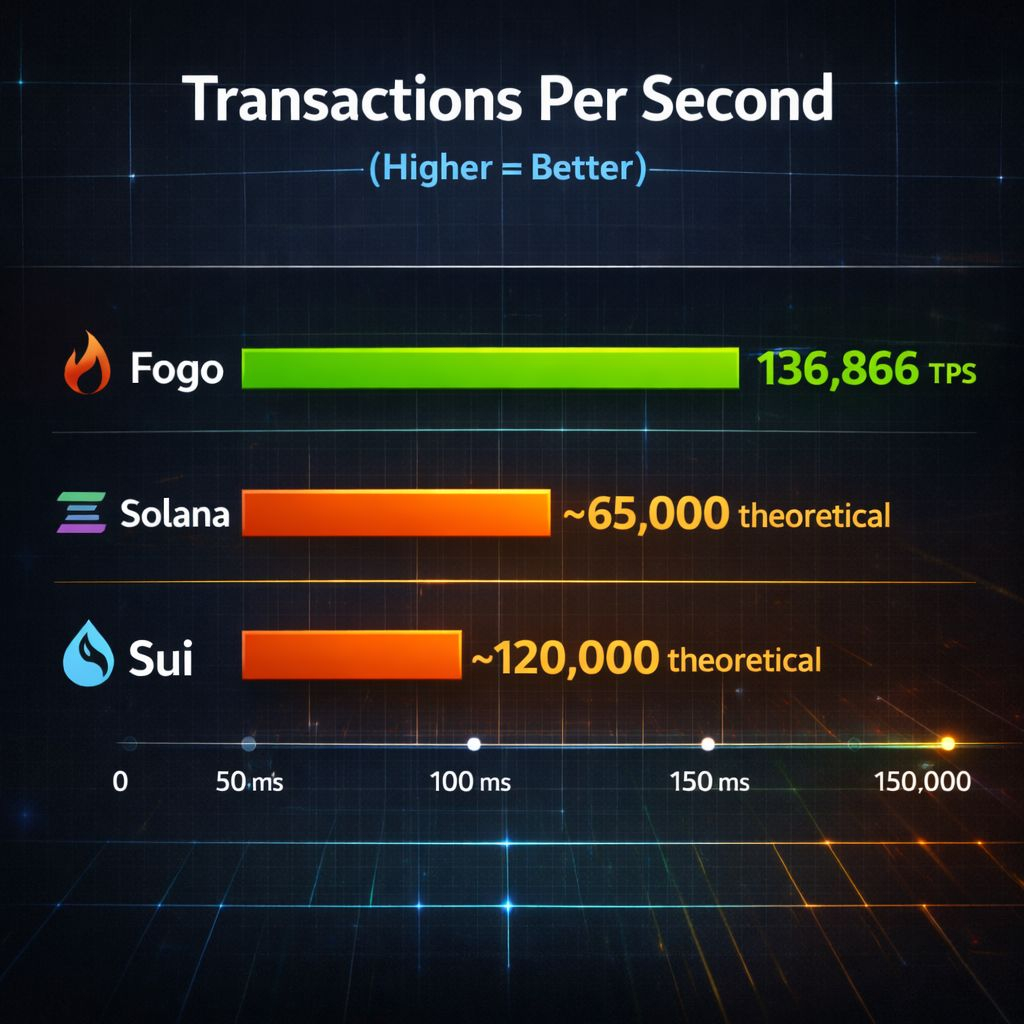
Testnet peak: 136,866 TPS
Proof of History + PoS
400ms average block time
Mature DeFi & NFT ecosystem
High real-world adoption
Object-centric data model
Parallel transaction execution
400ms block finality (varies)
Optimized for scalability & gaming
Fogo Performance
Traditional High-Throughput L1
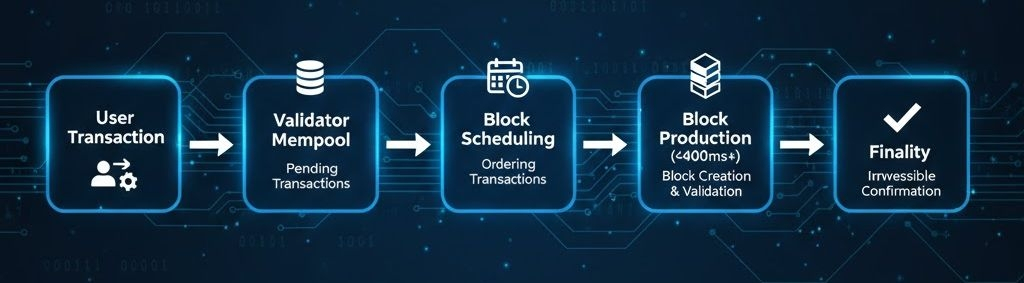
Fogo reduces block production time dramatically through deep client-level optimizations.
Speed & Latency Comparison
TPS Comparison
The Firedancer Advantage
Fogo integrates a customized version of the Firedancer validator client, designed to maximize throughput and reduce latency bottlenecks.
Why This Matters:
Lower networking overhead
Optimized validator communication
Reduced memory inefficiencies
Better horizontal scaling
This gives Fogo a potential edge in:
Perpetual trading
High-frequency arbitrage
On-chain derivatives
Real-time order books
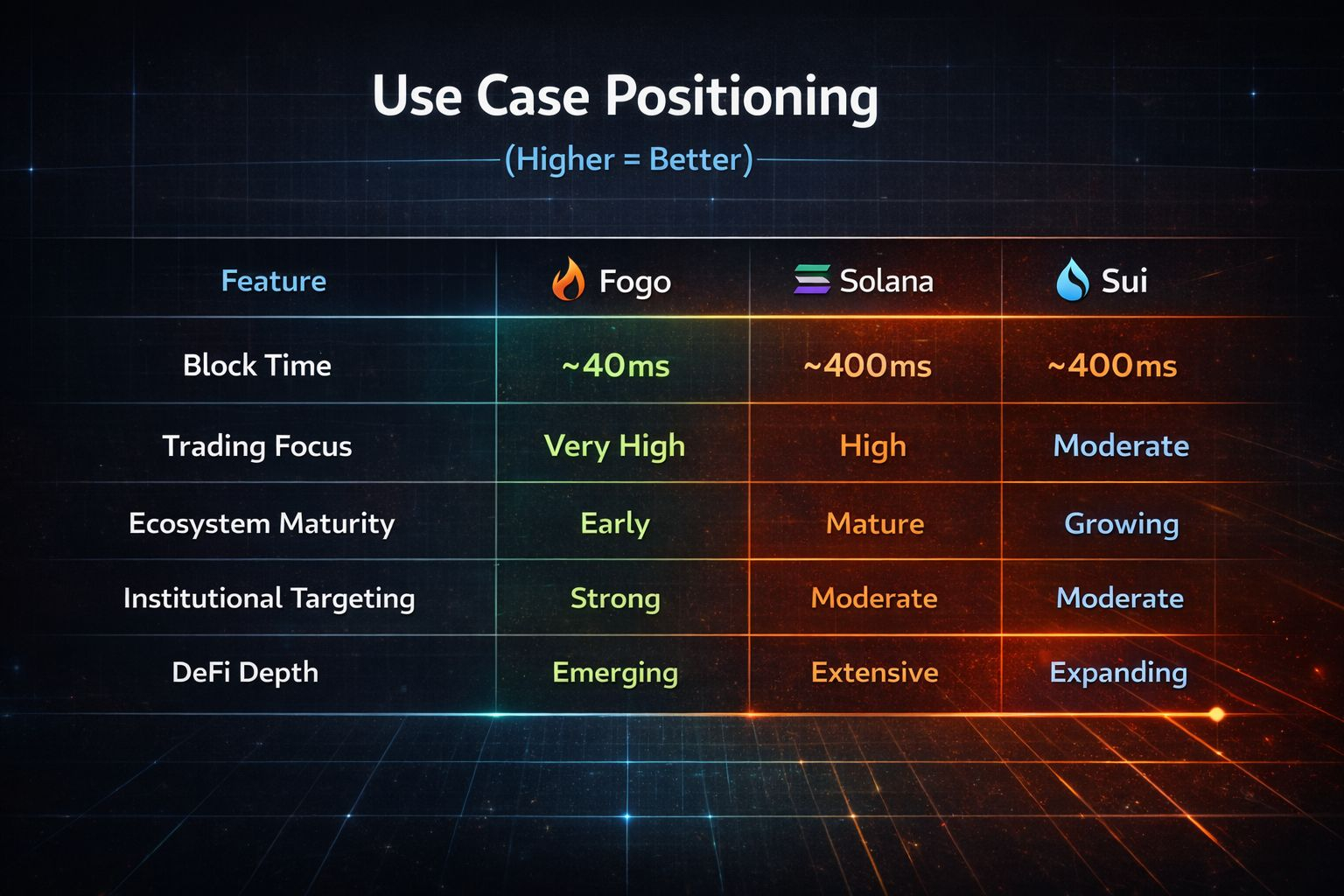
Use Case Positioning
Real-Time Trading Vision
Fogo’s primary thesis is simple:
Decentralization + Institutional Speed = Next-Gen Blockchain Infrastructure
Its design specifically targets:
Perpetual DEX platforms
HFT-style DeFi systems
Market-making protocols
Advanced financial primitives
By lowering latency to near centralized-exchange levels, Fogo aims to blur the line between Web2 performance and Web3 decentralization.
Competitive Strengths
Where Fogo Wins
Ultra-low block time (40ms)
Trading-optimized design
Firedancer-level engineering
Aggressive performance benchmarks
Where Solana & Sui Still Lead
Ecosystem size
Developer tooling maturity
Liquidity depth
Network effects
Speed alone doesn’t win Layer-1 wars adoption does.
Decentralization vs Performance Debate
Historically, blockchain faces a trade-off:
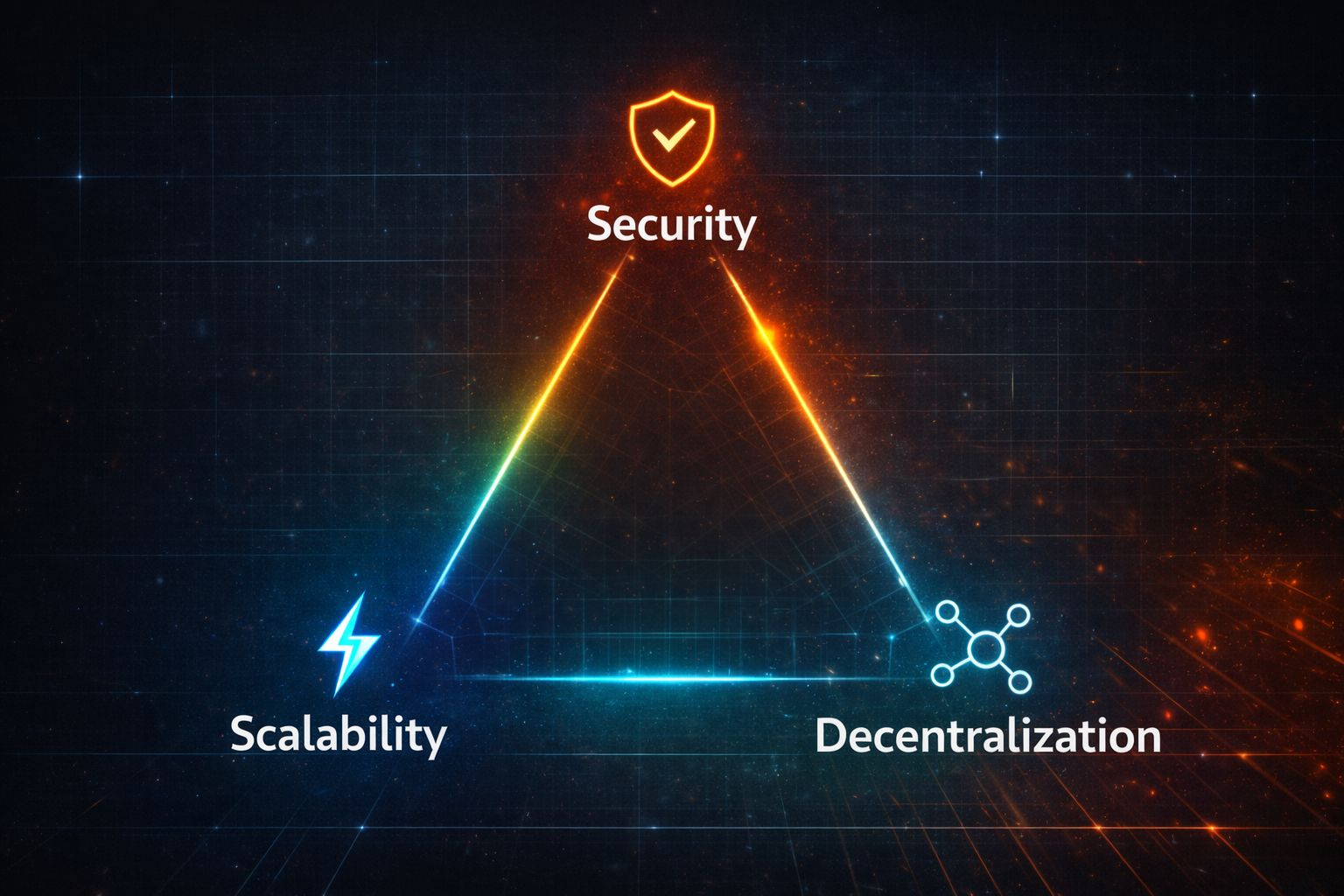
Fogo attempts to optimize scalability without compromising decentralization.
If successful, this could:
Reduce slippage in DeFi
Enable real-time liquidation engines
Improve oracle responsiveness
Enhance cross-chain settlement speed
Market Potential
If Fogo delivers sustainable mainnet performance close to its testnet metrics:
It could attract high-volume traders
Compete in derivatives infrastructure
Become a backend for financial dApps
Position itself as a “performance Layer-1”
However, real-world stress testing will determine long-term viability.
Final Verdict
Fogo is not trying to replace Solana or Sui overnight. Instead, it is carving out a niche:
Ultra-fast, trading-optimized, SVM-powered infrastructure.
If the 18× speed claim holds under real mainnet conditions, Fogo could become:
A specialized trading Layer-1
A performance benchmark for future blockchains
A serious challenger in the high-throughput race
But the real test begins after launch adoption, liquidity, and validator decentralization will define its trajectory.Conclusion
Fogo represents a bold engineering experiment in blockchain performance.
While Solana and Sui remain powerful ecosystems, Fogo’s low-latency approach introduces a compelling new performance standard.
The question isn’t just whether Fogo is faster
it’s whether that speed translates into sustainable network dominance.
