
Alright everyone, let us take a proper moment to talk about Plasma and where things stand today. This is going to be a long read, and that is intentional. Plasma has reached a stage where quick summaries do not really do it justice anymore. There is real progress happening across the network, new infrastructure is coming online, and the vision is becoming clearer in practical terms. I want to walk through all of that with you in a way that feels natural, grounded, and honest.
If you have been around Plasma for a while, you know this project has never been about loud marketing cycles. It has focused on building, testing, refining, and building again. For a long time, that meant progress was easy to miss unless you were paying close attention. Lately though, things have started to align. The tech is maturing, the ecosystem is expanding, and Plasma is starting to look like something that can play a real role in the broader blockchain landscape.
Let us dive in.
From Experimental Roots to a Working Network
Plasma started out with a clear goal. It wanted to create a network that could scale efficiently while remaining accessible and flexible for developers. Over time, that goal has translated into a chain that prioritizes throughput, responsiveness, and low friction interaction.
Recently, the network has gone through important upgrades that improve how it handles activity at scale. Transaction processing has become more efficient, block production is more consistent, and overall stability has improved. These are not flashy changes, but they are the kind of improvements that determine whether a network can actually support real usage.
The biggest difference now is confidence. The chain feels less like an experiment and more like a dependable environment where builders can deploy applications without constantly worrying about performance issues.
Infrastructure That Is Built to Handle Growth
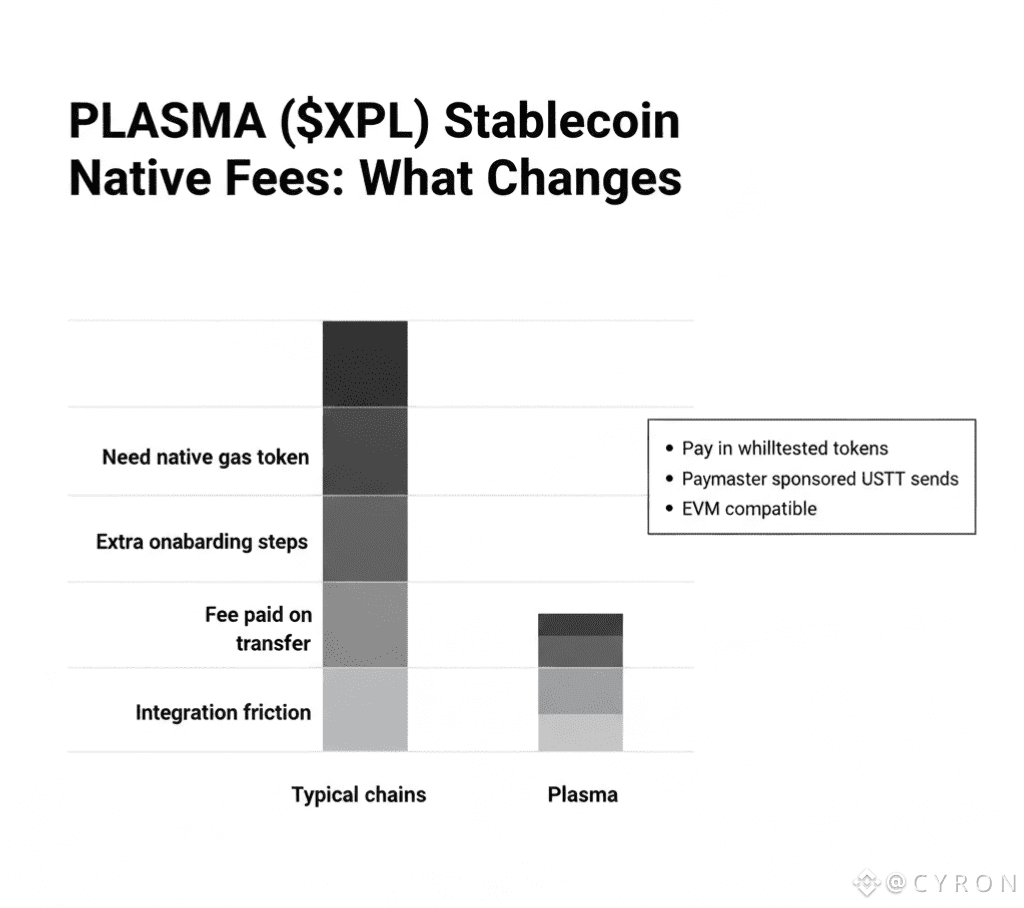
One thing Plasma has been quietly focusing on is infrastructure resilience. Rather than optimizing only for small scale use, the network has been designed to handle spikes in activity without falling apart.
Recent updates have improved how nodes communicate, how data is stored, and how resources are allocated under heavy load. This matters because adoption rarely happens in a smooth line. When something catches on, usage can jump quickly.
Plasma appears to be preparing for that reality instead of reacting to it later. That is a sign of a team thinking ahead rather than chasing short term metrics.
Smart Contracts Becoming More Capable
Smart contracts are the backbone of any modern blockchain, and Plasma has made notable progress here. The contract environment has expanded to support more complex logic, allowing developers to build applications that go beyond simple transfers or swaps.
Contracts can now manage richer state, handle more interactions per user, and execute logic more efficiently. This opens the door to applications like decentralized marketplaces, on chain games, and interactive platforms that require constant updates.
What stands out is the balance being struck. Plasma is improving flexibility without sacrificing performance. That balance is hard to achieve, but it is essential if the goal is to support real world applications rather than proofs of concept.
A Focus on Developer Experience
Another area where Plasma has made meaningful strides is developer tooling. Building on a blockchain should not feel like fighting the tools, and Plasma has clearly recognized that.
Documentation has become clearer and more structured. Development kits are easier to integrate. Testing environments are more reliable and closer to main network conditions. All of this reduces friction for builders.
This is important because developers have options. They will naturally gravitate toward platforms that respect their time. Plasma is making itself more inviting by lowering the barrier to entry and smoothing out the development process.
As more developers experiment with the network, innovation tends to accelerate naturally.
Expanding Use Cases Across the Ecosystem
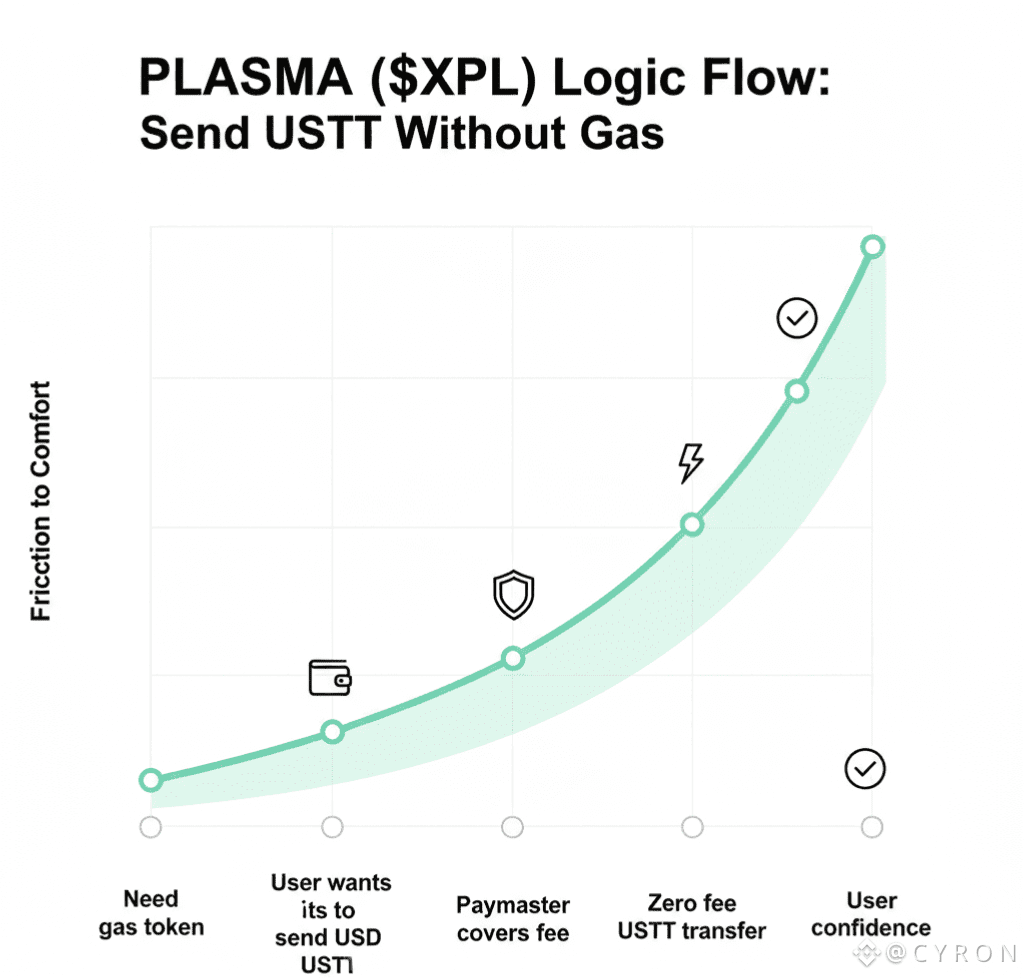
While Plasma was initially explored for a narrow set of applications, its scope has broadened significantly. The network is now being positioned as a flexible base layer that can support a wide range of use cases.
From decentralized applications to digital asset platforms, Plasma is showing that it can adapt to different needs. Asset creation and management have become more streamlined, making it easier for projects to launch and iterate.
This flexibility is important. A chain that can support only one type of application limits its own growth. Plasma seems intent on avoiding that trap.
Token Utility Becoming Clearer
As the network matures, the role of the native token is becoming more defined. Rather than existing purely as a speculative asset, it plays an active role in network operations.
Transaction fees, smart contract execution, and participation in network security all rely on the token. This creates a direct link between network usage and token demand.
Over time, this kind of utility driven model tends to create a healthier ecosystem. Value is tied to activity rather than hype. Plasma appears to be moving steadily in that direction.
Network Security and Participation
Security has remained a core focus throughout Plasma’s development. Recent upgrades have strengthened consensus mechanisms and improved resistance to network disruptions.
Participation in securing the network has also become more accessible. This encourages decentralization and reduces reliance on a small group of operators.
A healthy validator or node ecosystem is critical for long term trust. Plasma’s efforts here suggest a commitment to building a network that can withstand real world pressures.
User Experience Is No Longer an Afterthought
One thing that often separates successful platforms from forgotten ones is user experience. Plasma has clearly started to invest more heavily in this area.
Wallet interactions are smoother. Interfaces are cleaner. Users can perform common actions without feeling overwhelmed by technical details. This might seem minor, but it is essential for adoption beyond early enthusiasts.
As more applications launch on the network, this focus on usability will pay dividends.
Community Feedback Shaping Development
Another positive trend is how community feedback is influencing development priorities. Plasma has shown a willingness to listen, adjust, and iterate based on real usage and discussion.
Bug reports, feature requests, and usability concerns have all fed back into updates. This creates a sense of shared ownership and trust.
Projects that ignore their communities often drift away from practical needs. Plasma appears to be doing the opposite.
Market Attention Is Slowly Shifting
While Plasma has not been aggressively marketed, increased development activity and visible progress naturally draw attention. Conversations around the project have become more focused on fundamentals rather than speculation.
This shift suggests that people are starting to evaluate Plasma based on what it can actually deliver. That kind of attention tends to be more durable.
Short term noise comes and goes. Infrastructure driven recognition tends to last longer.
Why This Moment Matters
Every blockchain project reaches a stage where the groundwork is mostly done and the real test begins. For Plasma, it feels like that moment is now.
The network is stable. The tools are usable. The ecosystem is expanding. From here, success will depend on adoption and continued execution rather than promises.
This is the phase where patience and consistency matter most.
What to Watch Going Forward
Looking ahead, there are a few areas that will define Plasma’s next chapter.
Application growth will be key. Seeing diverse projects launch and gain users will validate the platform’s flexibility.
Network performance under load will be tested as usage increases. How Plasma handles that will shape its reputation.
Continued focus on developer and user experience will also be crucial. Small improvements compound over time.
A Word to the Community
If you have been supporting Plasma through its quieter phases, this is the moment where that patience starts to feel justified. Progress is no longer abstract. It is visible in the network itself.
If you are new, you are arriving at a time when the platform is more approachable and more capable than ever before.
This is not a project chasing trends. It is building steadily, with an emphasis on practicality and sustainability.
Closing Thoughts
Plasma is entering a phase defined by execution rather than ambition. The recent updates, infrastructure improvements, and ecosystem growth reflect years of careful planning.
There is still work to do. There always is. But the foundation is solid, and the direction is clear.
As a community, the best thing we can do is stay engaged, provide thoughtful feedback, and keep expectations grounded in reality.
Plasma is not trying to be the loudest voice in the room. It is trying to be a reliable one. And in a space that often prioritizes noise over substance, that approach might end up being its greatest strength.
Let us keep building, learning, and growing together as this next chapter unfolds.

