
Scalability is not a single solution — it is a layered process 🧩. Plasma architecture represents one of the earliest and most influential approaches to blockchain scaling ⛓️📈.
At its core, @Plasma allows blockchains to process transactions outside the main chain while periodically committing proofs back to the base layer 🔄🔐. This reduces congestion without compromising the security model ⚖️.
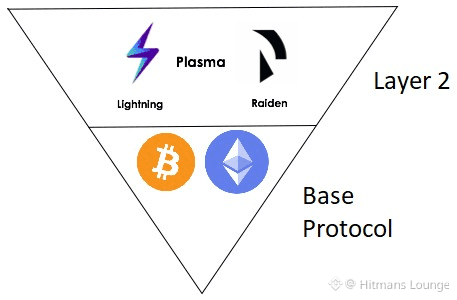
Plasma Coin operates within this conceptual framework by supporting efficient transaction execution ⚡. Instead of competing with base layers, Plasma-based systems complement them 🤝.
This design philosophy is increasingly important as Web3 adoption broadens 🌐. High-volume use cases cannot rely on base layers alone. They require auxiliary systems capable of handling demand spikes smoothly 📊⚙️.
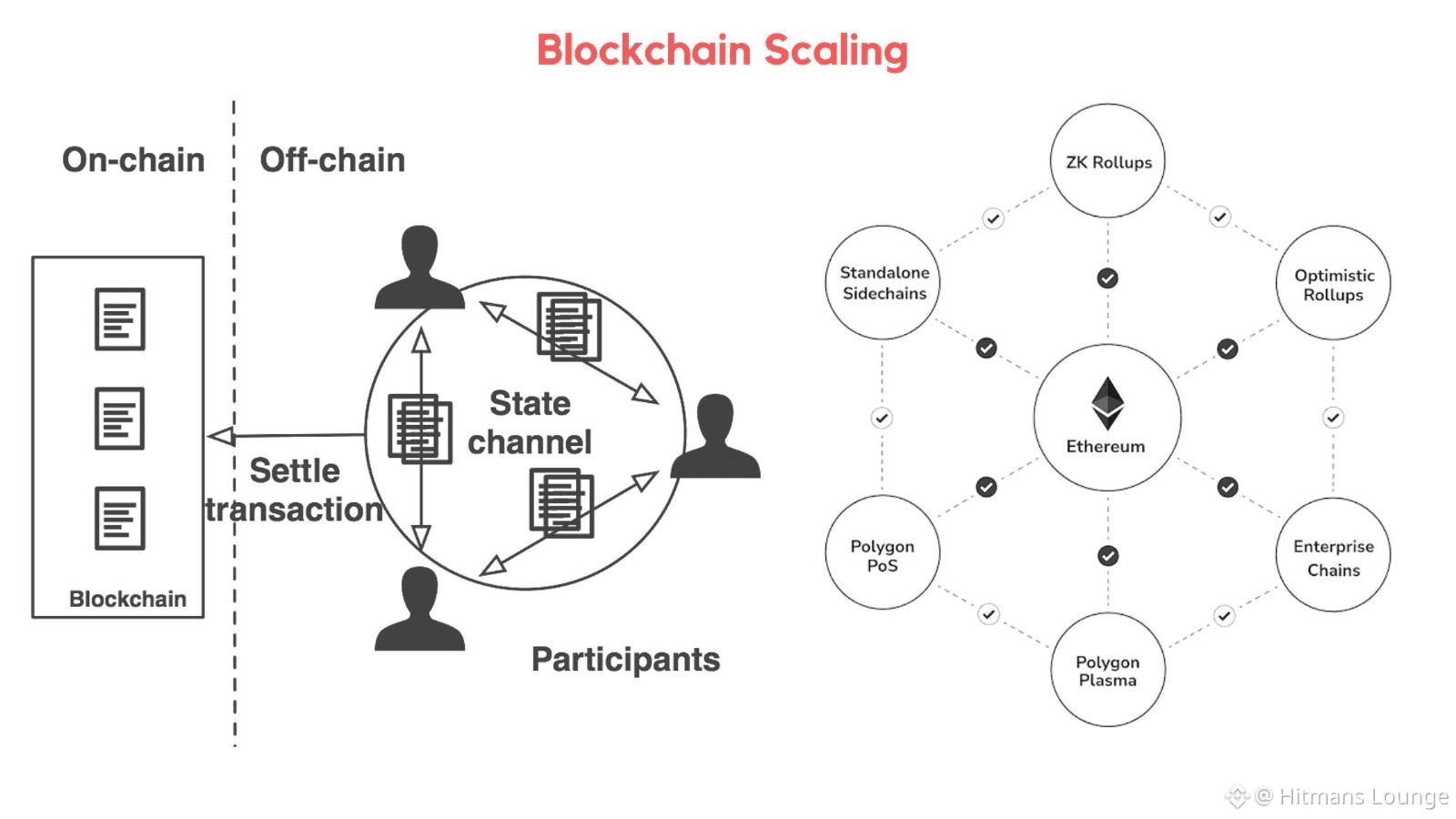
Plasma architectures are particularly useful for environments with frequent interactions, such as payments 💳, decentralized exchanges 🔁, and interactive applications 🎮. By reducing on-chain load, they enable faster confirmation times and lower fees ⏱️💰.
Another important consideration is accessibility 🌍. Lower transaction costs remove barriers for users in emerging markets and enable micro-transactions that would otherwise be impractical 📉💡.
$XPL relevance emerges from this functional role 🧠. It supports an ecosystem where scalability is a feature, not a bottleneck 🚦➡️🛣️.
As blockchain networks evolve, layered scaling solutions tend to coexist rather than compete 🔗. Plasma Coin reflects this cooperative infrastructure mindset 🏗️🤝.
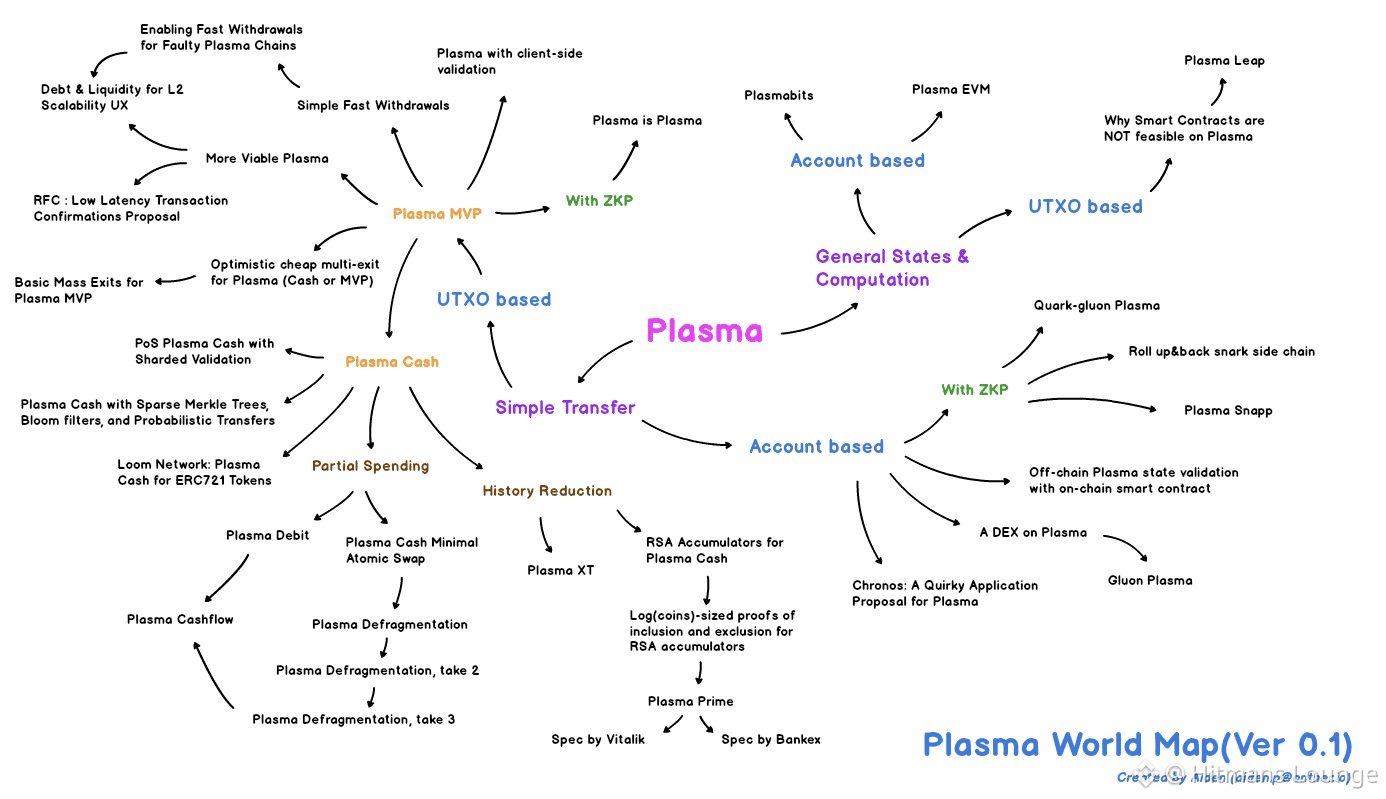
Key takeaway: Plasma-based systems contribute to Web3 growth by improving performance while preserving base-layer security 🛡️⚡.

