

In the world of blockchain, technical choices can make or break a project’s chances of real adoption.@Vanarchain ’s decision to go with Ethereum Virtual Machine (EVM) compatibility isn’t just about following the crowd. It’s a practical move one that’s all about making things easier for developers and growing the ecosystem. By choosing the EVM standard, Vanar meets developers where they already are. There’s no need for anyone to start from scratch or pick up a whole new toolkit. This approach says a lot about Vanar’s mindset: keep it simple, focus on what people actually want, and skip the unnecessary complexity.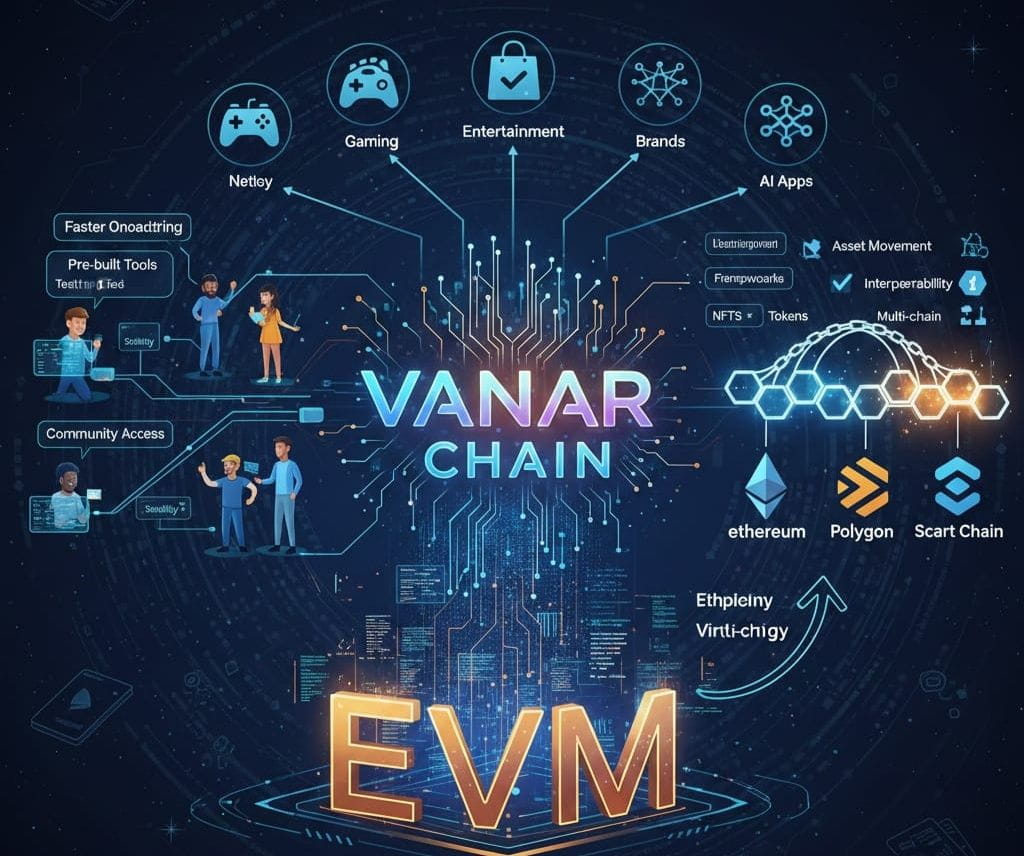
Why does EVM compatibility matter so much? Well, think about it EVM has become the backbone for thousands of decentralized apps, wallets, and all sorts of infrastructure. With EVM support, smart contracts written for Ethereum just work on Vanar, pretty much out of the box. That’s a big deal. Developers can get projects up and running faster. Instead of getting bogged down reinventing the wheel, they can spend their time making their products better and reaching more users.
But there’s more to it. EVM compatibility plugs Vanar right into a massive, experienced developer community. Ethereum’s been around for a while, and in that time, people have built countless frameworks, documentation, testing tools, and security best practices. All of that is now available to anyone building on Vanar. If you know Solidity or have worked with EVM tools before, you’re already prepared to build here. It’s a smoother onboarding, and it encourages developers to try new things exactly what you want if you’re building a lively, lasting ecosystem.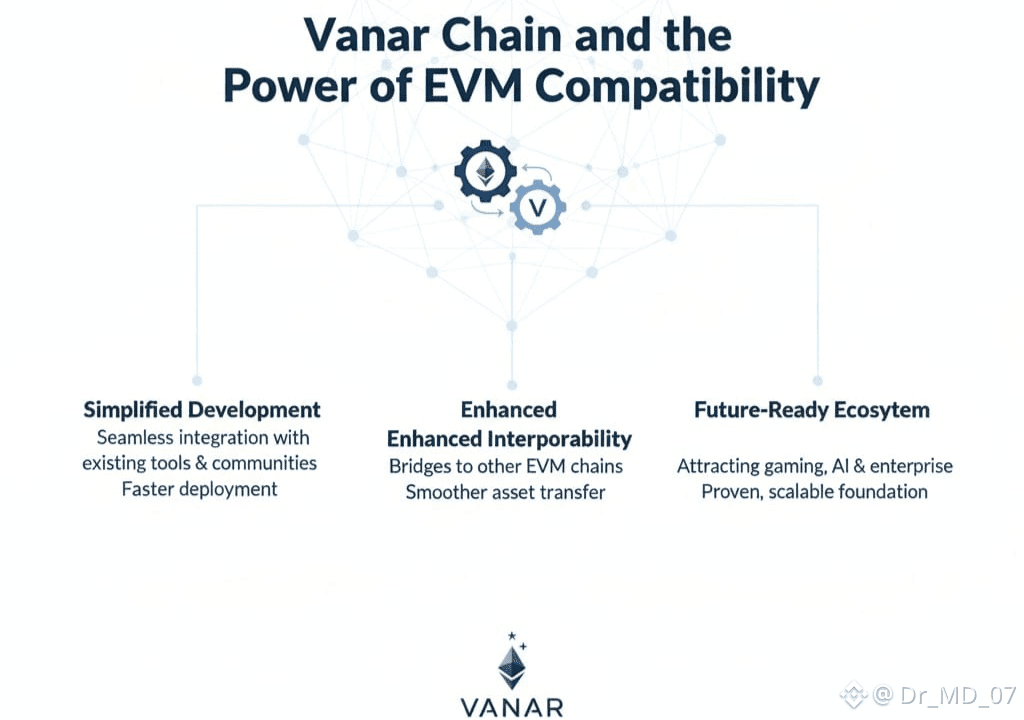
Switching blockchains is usually a headache expensive, risky, and time-consuming. But Vanar’s EVM support changes the game. Projects can migrate over or run on multiple chains at once, without tearing up their existing architecture. This gives teams the flexibility to try new markets and reach more users, all while keeping their operations steady. For anyone already working with EVM-based chains, Vanar feels like a natural next step, not a big disruption.
And let’s talk interoperability. EVM compatibility makes it easier for Vanar to connect with other blockchains, thanks to established bridges and cross-chain tools built for EVM networks. This means smoother movement of assets, easier collaboration, and a more connected blockchain world. Users and developers both win as things get simpler and more flexible.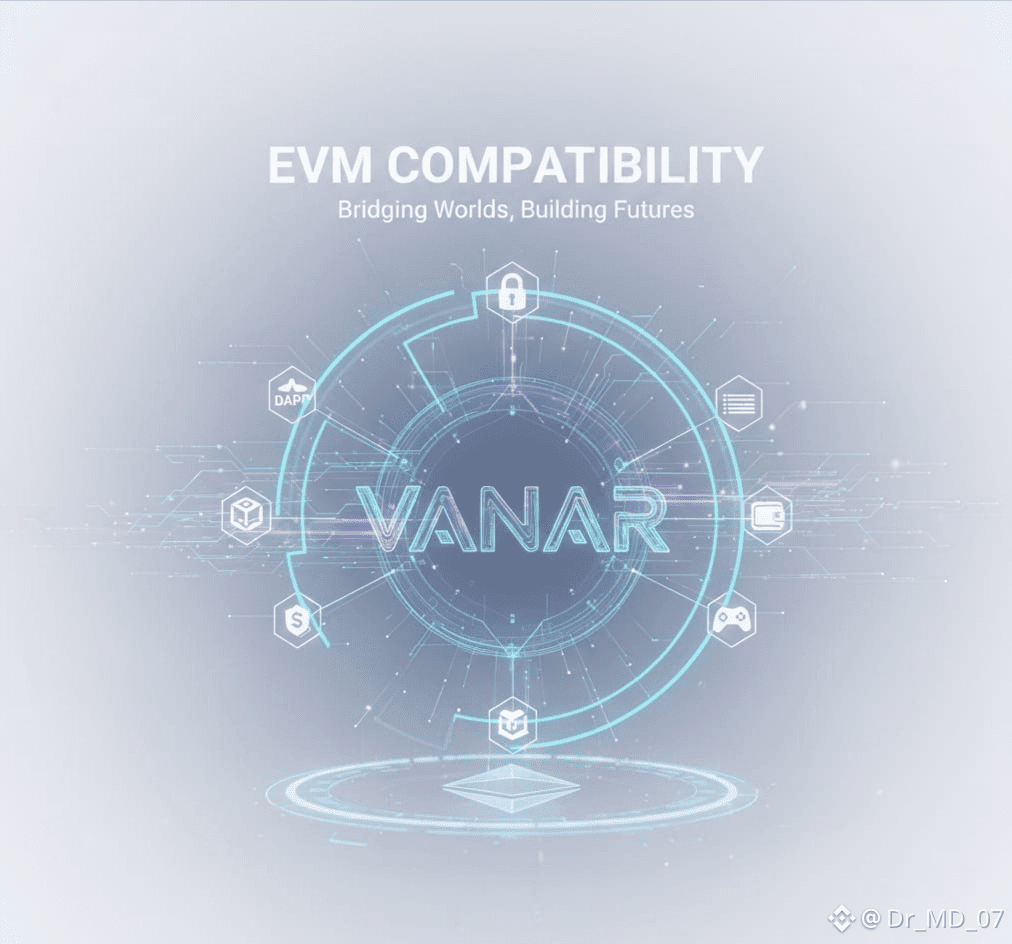
Vanar’s real strength here lies in its choice to keep things straightforward. Sure, new virtual machines and custom setups might offer some fancy features on paper. But they often slow things down for everyone. EVM gives Vanar a solid, proven base so the team can focus on performance, real-world applications, and building partnerships, not just basic tooling.
This compatibility also sets Vanar up for industries that want practical solutions right now: gaming, entertainment, big brands, AI apps. These fields already use EVM-based standards for things like NFTs and tokens. By sticking with EVM, Vanar makes it easy for businesses to bring their projects over cutting the time from idea to launch.
Honestly, from where I stand, Vanar’s EVM move shows a clear understanding of how real blockchain ecosystems grow. Sometimes, true innovation means improving what already works and making it more accessible not just building something new for the sake of it. By choosing compatibility, Vanar lowers the barrier for developers and users, setting itself up for real, lasting relevance.
In the end, EVM compatibility isn’t just a technical detail for Vanar it’s the backbone of its growth strategy. By joining a widely-used standard, Vanar opens the door for collaboration, faster onboarding, and stronger connections across the blockchain world. Developers get better tools, projects run smoother, and the whole ecosystem becomes more connected. In a space where usability is king, Vanar’s EVM-first approach makes it a practical, future-ready platform.
