
There is a quiet hour in every working day — not marked on clocks, but in behavior. It is the moment when formal meetings end, when ties loosen, when messages are answered quickly between tasks, when people switch from structured systems to whatever tool is nearest at hand. This is the professional dusk. Nothing dramatic happens here, yet this is where most confidentiality failures are born. Not from betrayal, not from hacking, but from speed, convenience, and the very human desire to be helpful. A file is shared too broadly. A screenshot replaces a secure link. A small note is written permanently into a system that never forgets. No alarms sound. But trust quietly erodes. Project Token is designed for exactly this hour — the in-between time where human nature meets sensitive information.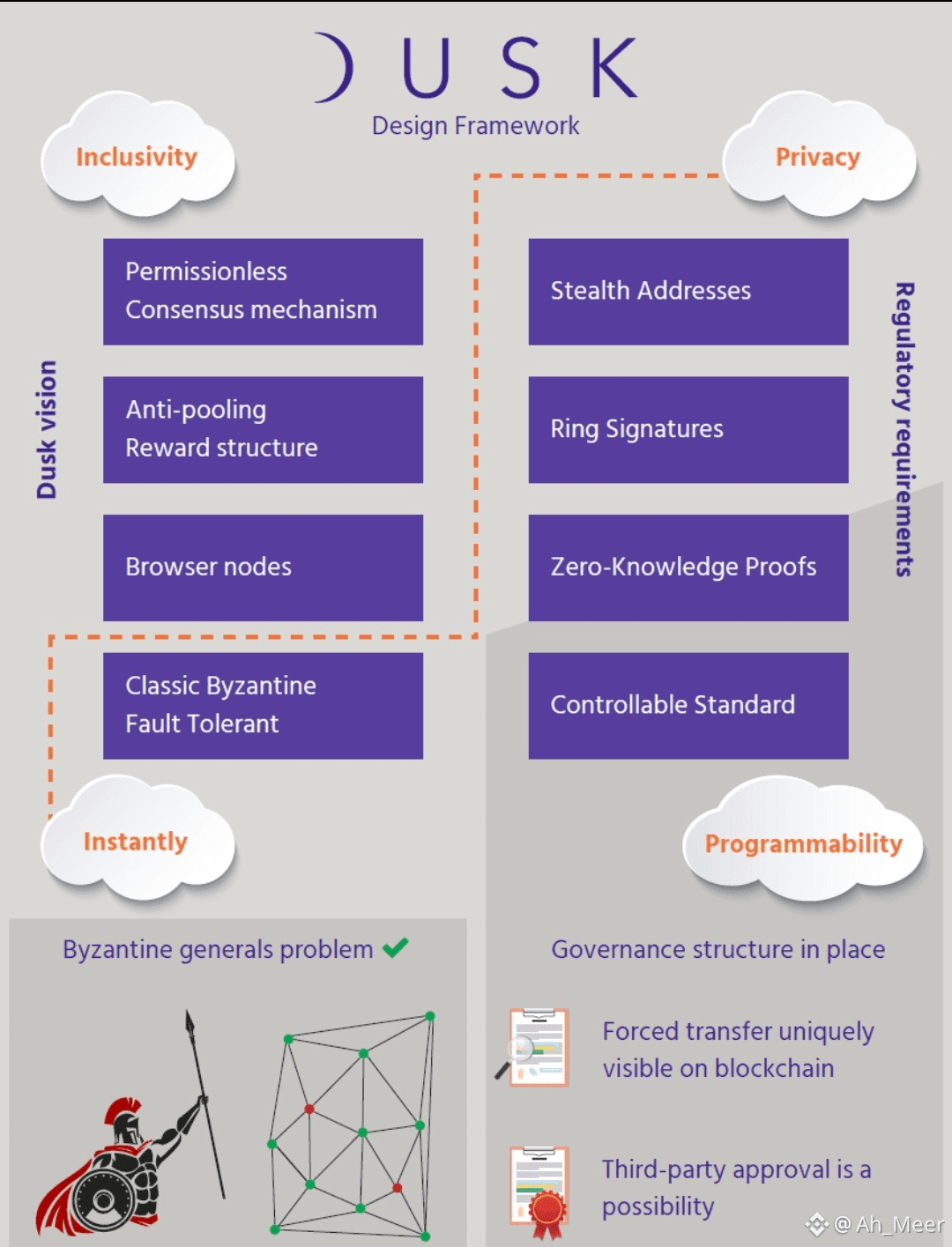
Professionalism is often mistaken for politeness, efficiency, or good intentions. But confidentiality is a different creature entirely. It is not about how we behave, but about how we control information. Who is allowed to see it. Why they are allowed. How long access lasts. Where the information travels. A person can be deeply professional in attitude and still expose something they never meant to share. Intent does not secure data. Systems do. This is why fields like law, medicine, and finance treat confidentiality as structure, not sentiment. Project Token steps into that same philosophy: replacing fragile reliance on memory and caution with design that quietly keeps information where it belongs.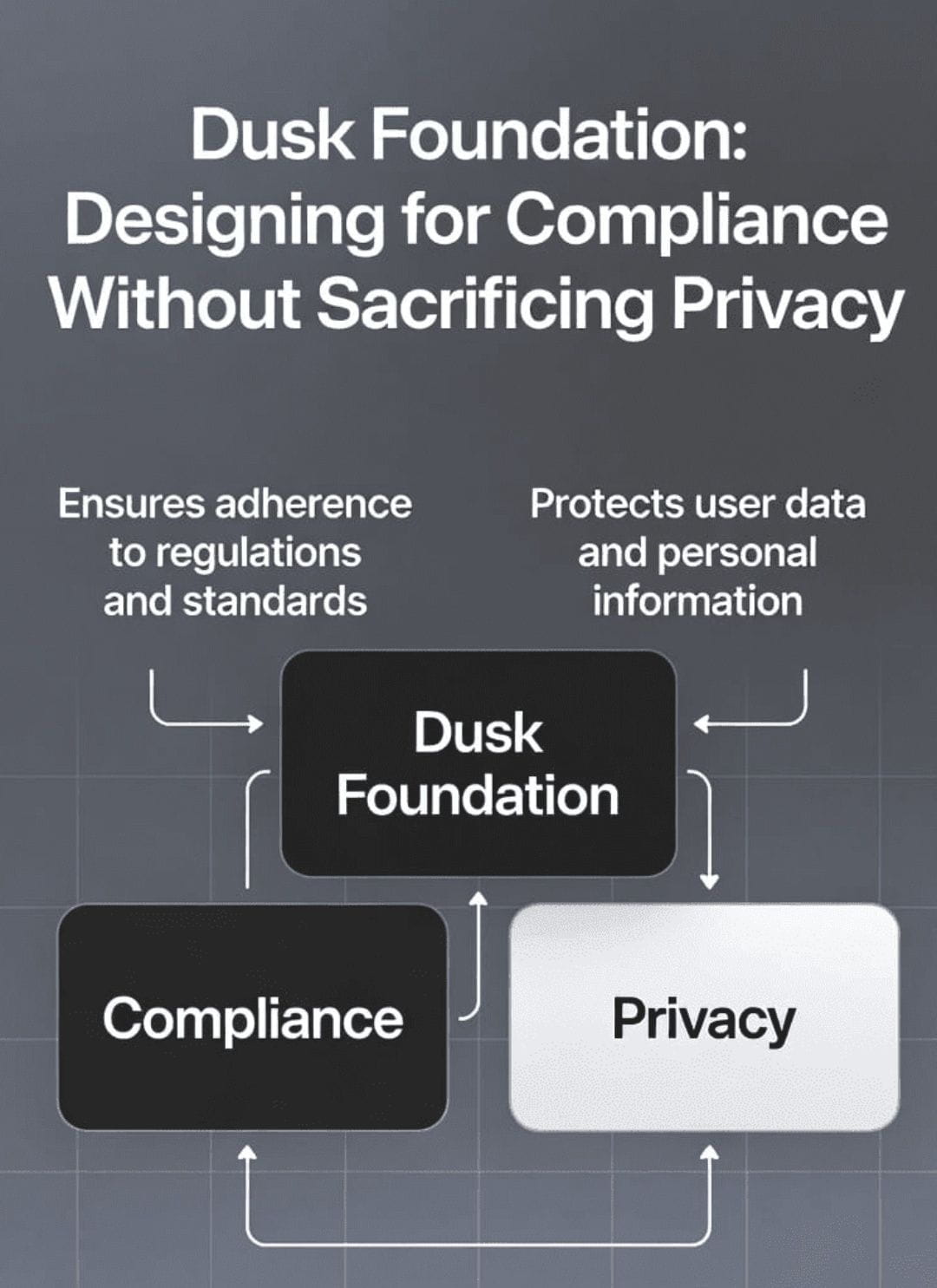
Most confidentiality breaches look ordinary. Someone shares the full document because extracting a section feels like extra work. Someone moves sensitive data into a personal chat because logging into the secure portal takes too long. Someone adds a new recipient “just to keep them in the loop.” Someone writes a harmless-looking on-chain reference that later becomes linkable. Each action makes sense in the moment. Each is a small shortcut. Together, they form the invisible architecture of risk. Humans will always follow the path of least resistance. The only sustainable solution is to make the safe path the easiest one. This is the behavioral insight at the heart of Project Token.
When we look across global security and privacy principles, the message is simple and universal: share only what is needed, give access only where justified, limit duration, record accountability, and protect content even during oversight. These ideas sound formal, but in practice they are just expressions of respect — respect for clients, patients, partners, and communities. Project Token transforms these principles from policy language into operational reality. Instead of reminding people what they should do, it shapes what they naturally do.
 In real work environments, no one stops mid-task to run a five-step ethical checklist before sending a message. Time pressure wins. Deadlines win. Dusk moments demand speed. This is where Project Token’s quiet strength appears. When access automatically requires purpose. When permissions expire without manual revocation. When sensitive sharing routes through secure channels by default. When accountability exists without exposing the information itself. In these conditions, good decisions happen without slowing work. Professionalism becomes embedded, not enforced.
Beyond security, there is culture. Organizations spend years training people on confidentiality, yet one rushed moment can undo months of instruction. Project Token offers a different model: systems that reward careful sharing, trace responsible behavior, and discourage unnecessary exposure — not through punishment, but through structure. Governance becomes part of the protocol. Trust becomes measurable. Confidentiality stops being a vague expectation and becomes a lived habit supported by technology.
This is also where Project Token’s identity takes shape. It is not simply a privacy tool. It is not merely an access system. It is a response to how humans actually behave. People get tired. People multitask. People help first and think later. Dusk moments will never disappear from professional life. The question is whether systems leave people alone in those moments, or quietly guide them. Project Token chooses the second path.
True professionalism is not about never making mistakes. It is about building environments where mistakes are harder to make and easier to recover from. Confidentiality is not secrecy for its own sake — it is the foundation of trust in modern collaboration. In the soft light of professional dusk, where boundaries blur and speed takes over, Project Token stands as a steady architecture beneath human behavior, ensuring that trust does not depend on perfect attention — only on thoughtful design.