

Let me be straight with you. I started researching Plasma because I wanted to know whether it was actually solving a real problem or just telling a convincing story. We’ve all seen projects that sound impressive at first and then fall apart once you look closer. With Plasma, what stood out wasn’t hype. It was clarity. They seem to understand the problem they’re tackling, and they don’t pretend the solution is simple or guaranteed.
As I went deeper, I noticed how grounded their thinking is. Plasma doesn’t sell perfection or overnight transformation. Instead, it openly acknowledges the limits of current blockchain systems and works within those constraints. In my experience, that’s a strong signal. Teams that respect complexity tend to design better systems because they’re not cutting corners just to impress.
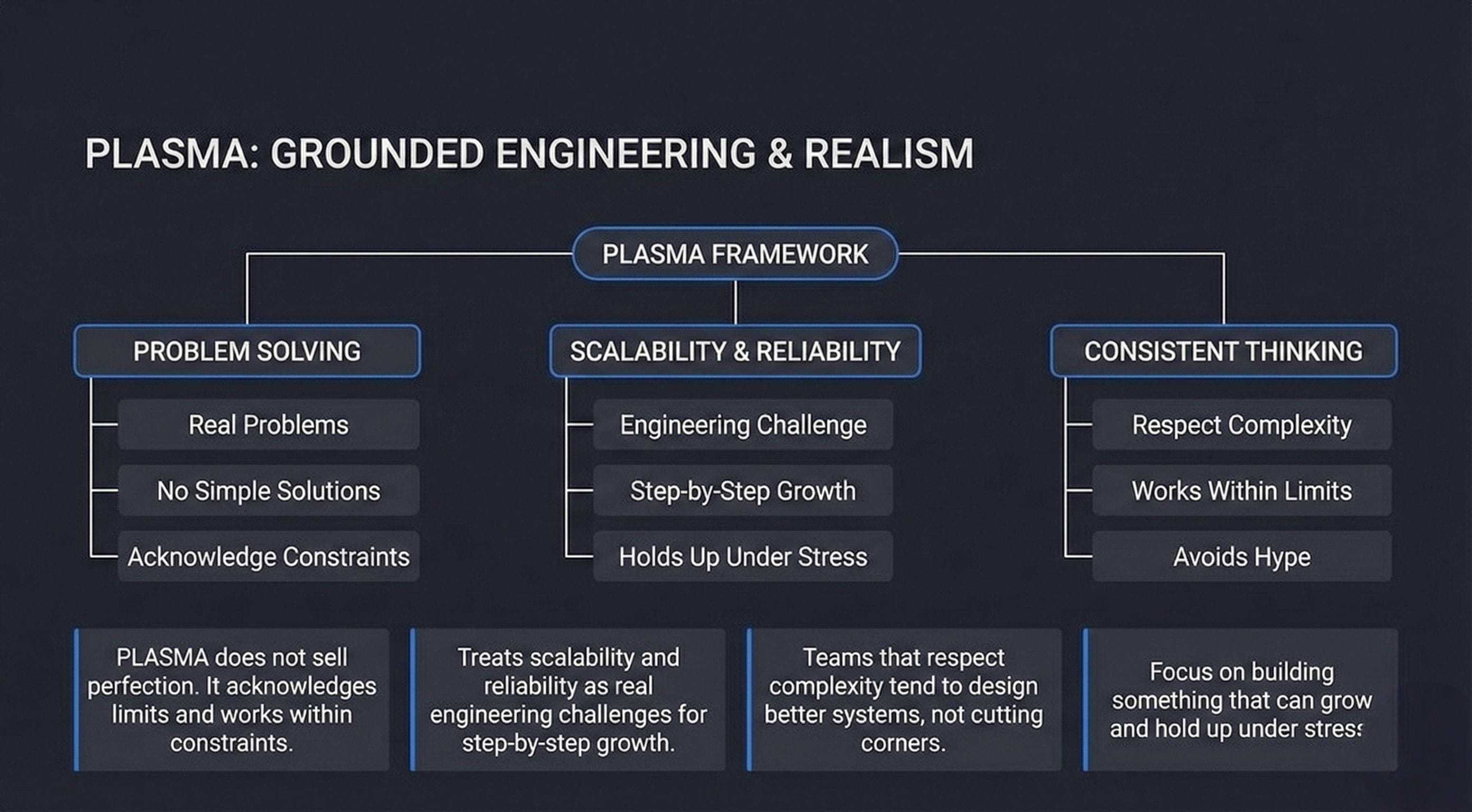
What I found particularly interesting is how Plasma treats scalability and reliability as real engineering challenges, not marketing slogans. Rather than making bold claims, they focus on building something that can grow step by step, even if that means progress looks quieter from the outside. That mindset usually leads to infrastructure that holds up under stress instead of breaking when usage increases.
Their communication style reinforces this. The tone is restrained and practical. They explain what they’re building and why it’s worth attempting, without promising guaranteed adoption. In this space, credibility often comes from what a team chooses not to say, and Plasma avoids exaggerated claims.
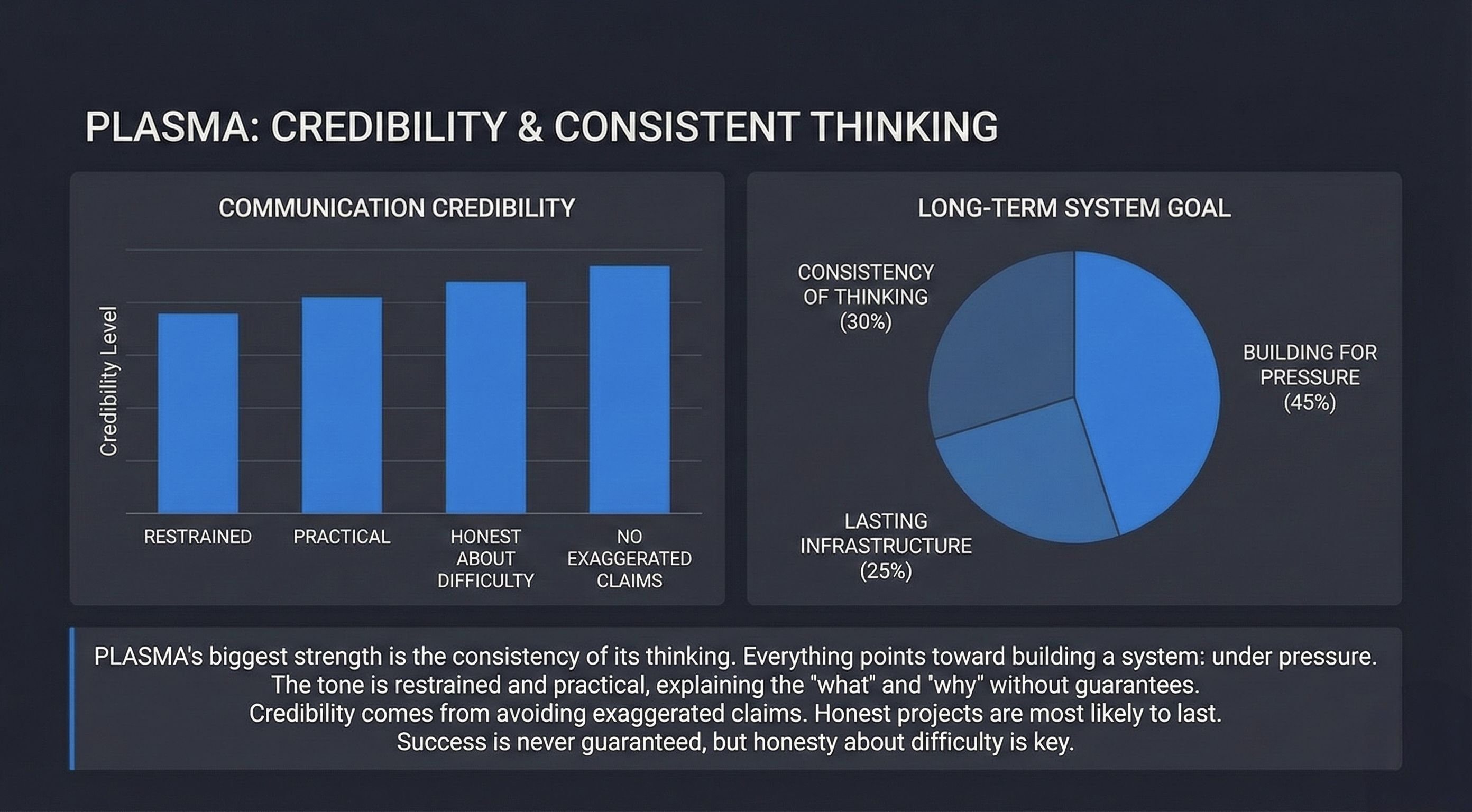
To me, Plasma’s biggest strength isn’t a single feature. It’s the consistency of its thinking. Everything points toward the same goal: building a system that works under pressure. Success is never guaranteed, but in my experience, projects that are honest about difficulty are the ones most likely to last.

