

Web3 likes to imagine a future where code replaces institutions and smart contracts eliminate the need for trust. But there is a quieter reality waiting in the background, one that most protocols are not prepared for yet. As decentralized systems mature, they will not only face users and developers — they will face auditors, regulators, researchers, and courts. And when that moment arrives, the question will not be how fast transactions were, but whether the data behind decisions can still be proven to exist.
Most blockchain systems assume that onchain state is enough. A transaction hash, a block number, a timestamp. But in many real-world scenarios, that information alone is meaningless without the underlying data. Governance votes rely on proposals and discussion records. DAOs rely on historical documents and execution logs. Research-driven protocols rely on datasets. Even disputes rely on archived evidence. If that data lives on fragile, centralized infrastructure, decentralization quietly breaks the moment proof is requested.
This is where Walrus Protocol begins to matter in a way that few people are talking about. Not as a storage layer for apps, but as an evidence layer for the future of Web3. Large data — proposals, datasets, logs, media, snapshots — does not belong inside execution layers, yet it must remain accessible and verifiable for years. Walrus approaches this problem without pretending it is exciting. It simply accepts that proof is heavy.
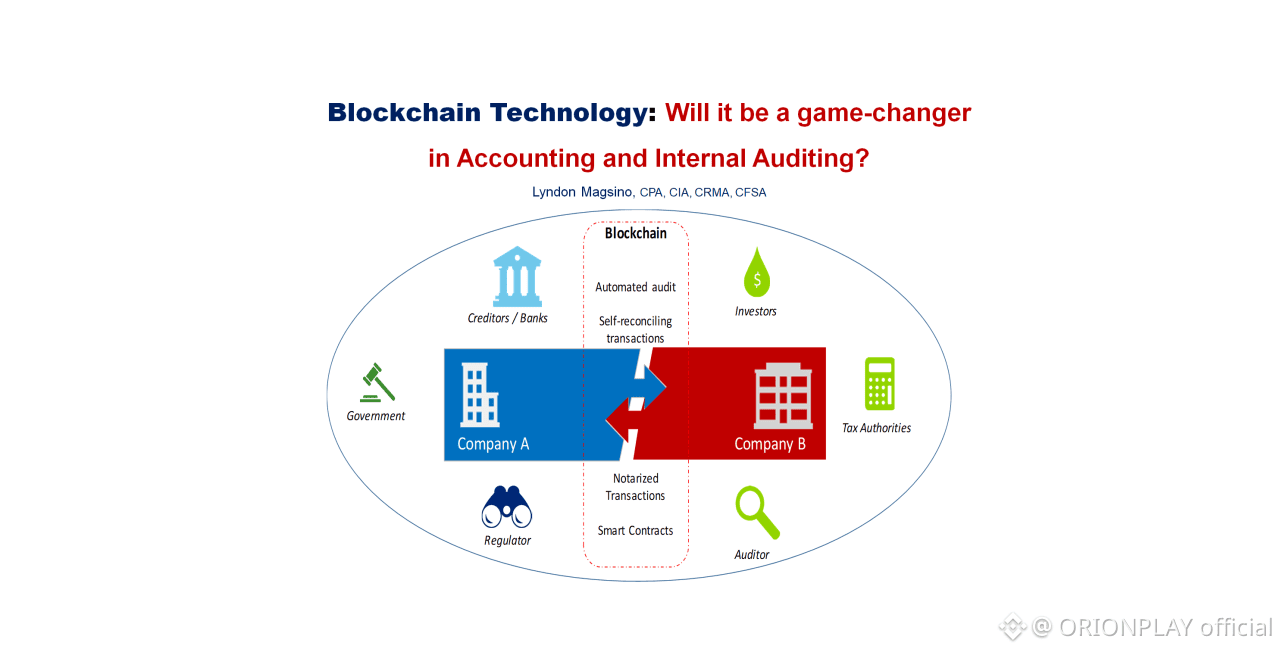
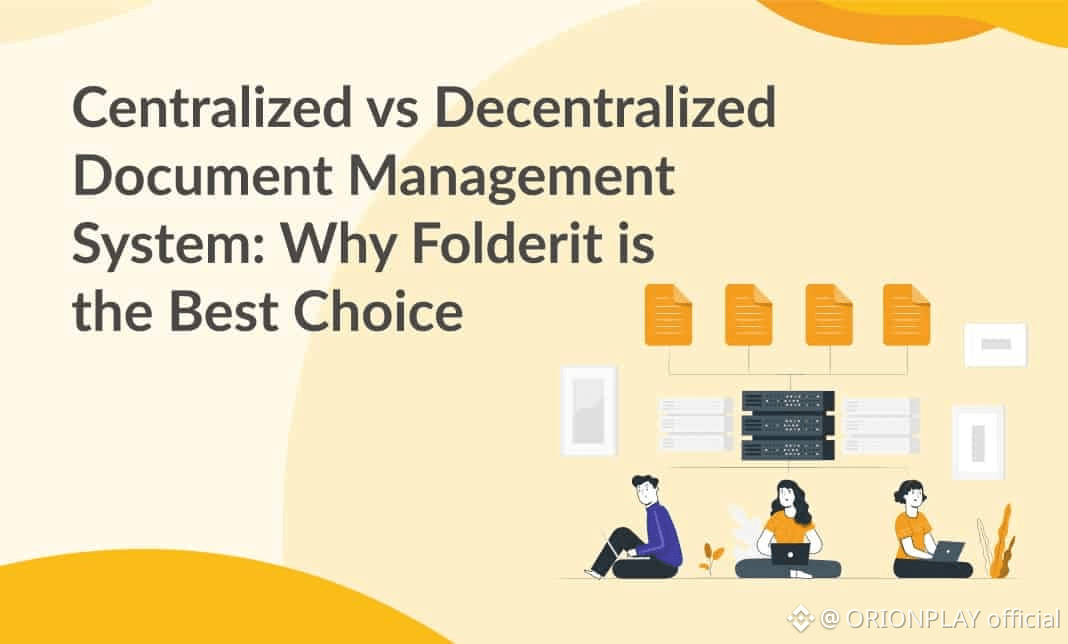
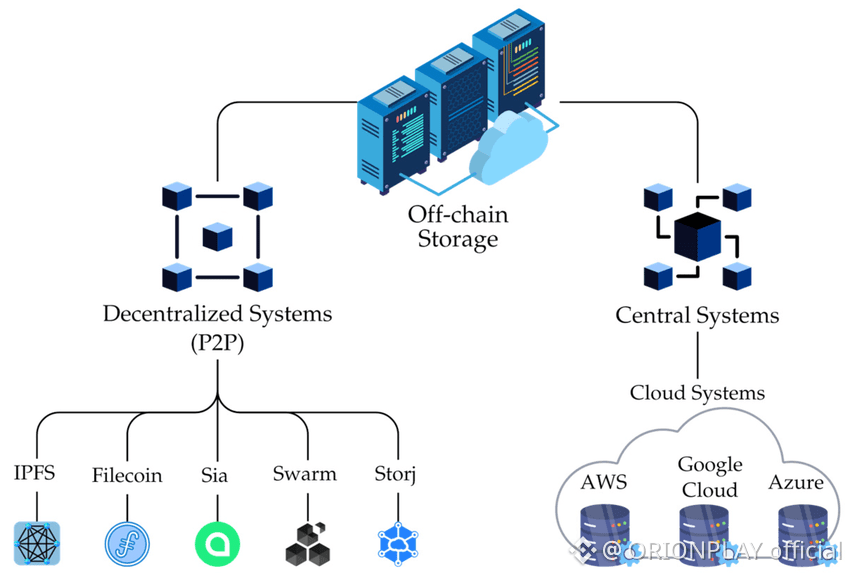
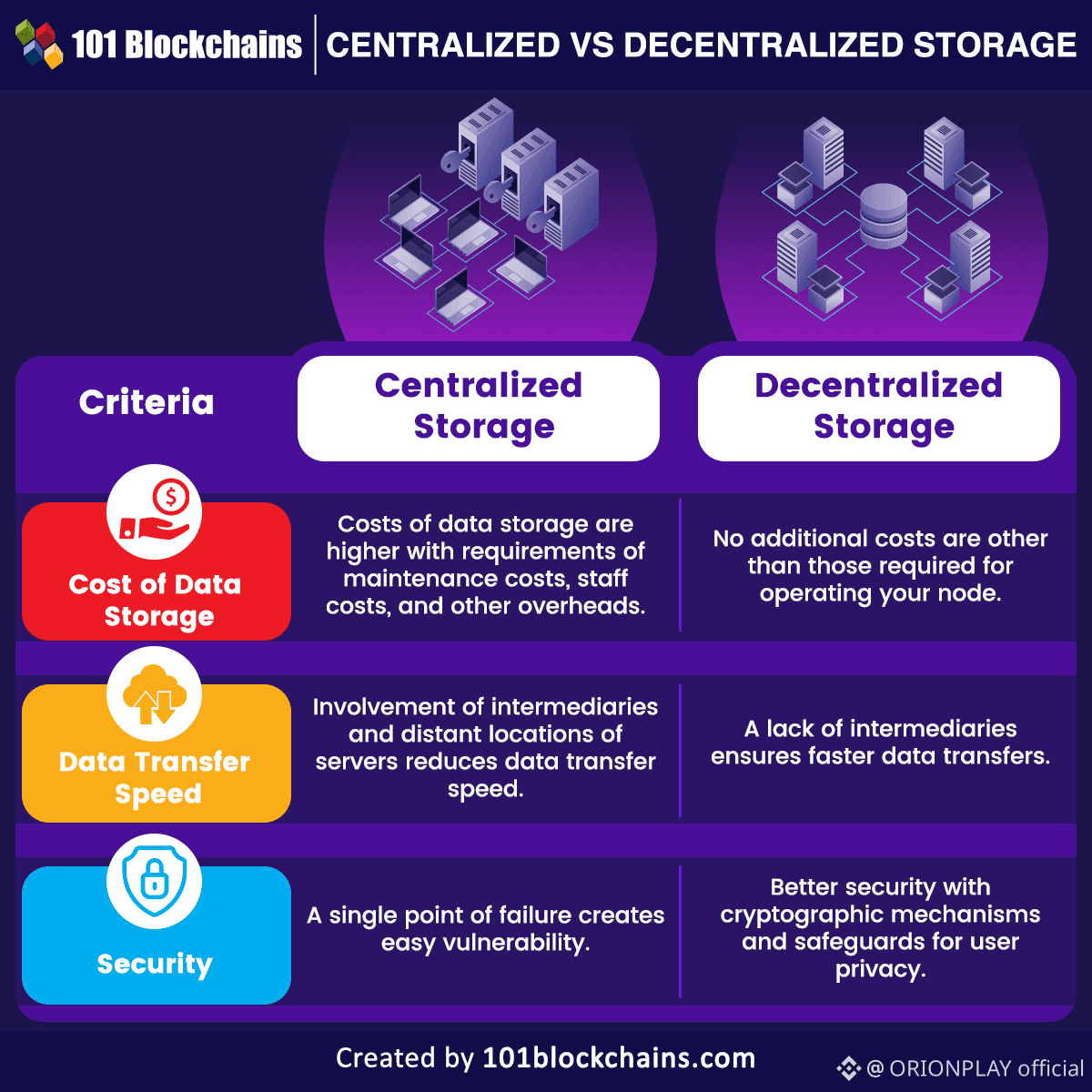
In traditional systems, audits and compliance rely on centralized archives. Someone maintains records. Someone guarantees access. In decentralized systems, that responsibility becomes ambiguous. Who keeps the files? Who pays for storage five years later? What happens when the original platform no longer exists? Walrus quietly answers these questions by making long-term data availability a first-class concern rather than an afterthought.
At this point, Walrus Protocol stops looking like infrastructure for developers alone and starts looking like infrastructure for accountability. Its design assumes that data will need to be retrieved long after it stops being actively used. That assumption aligns far more closely with legal, academic, and institutional realities than with short-term product cycles.
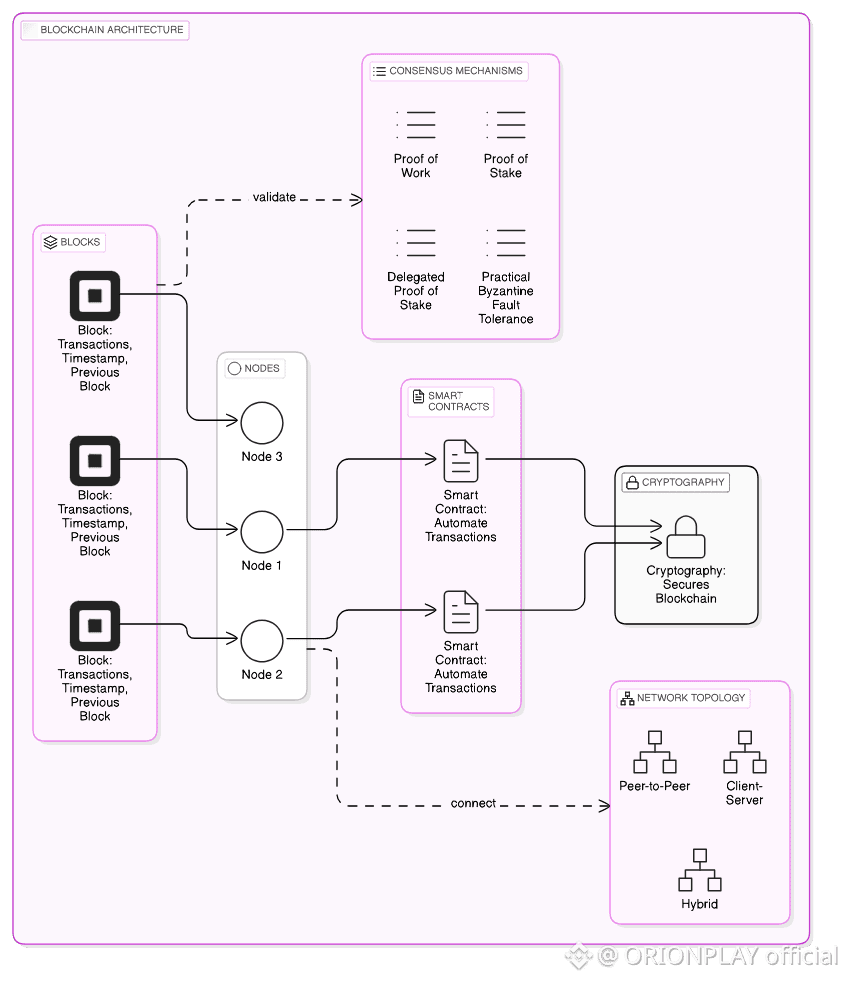
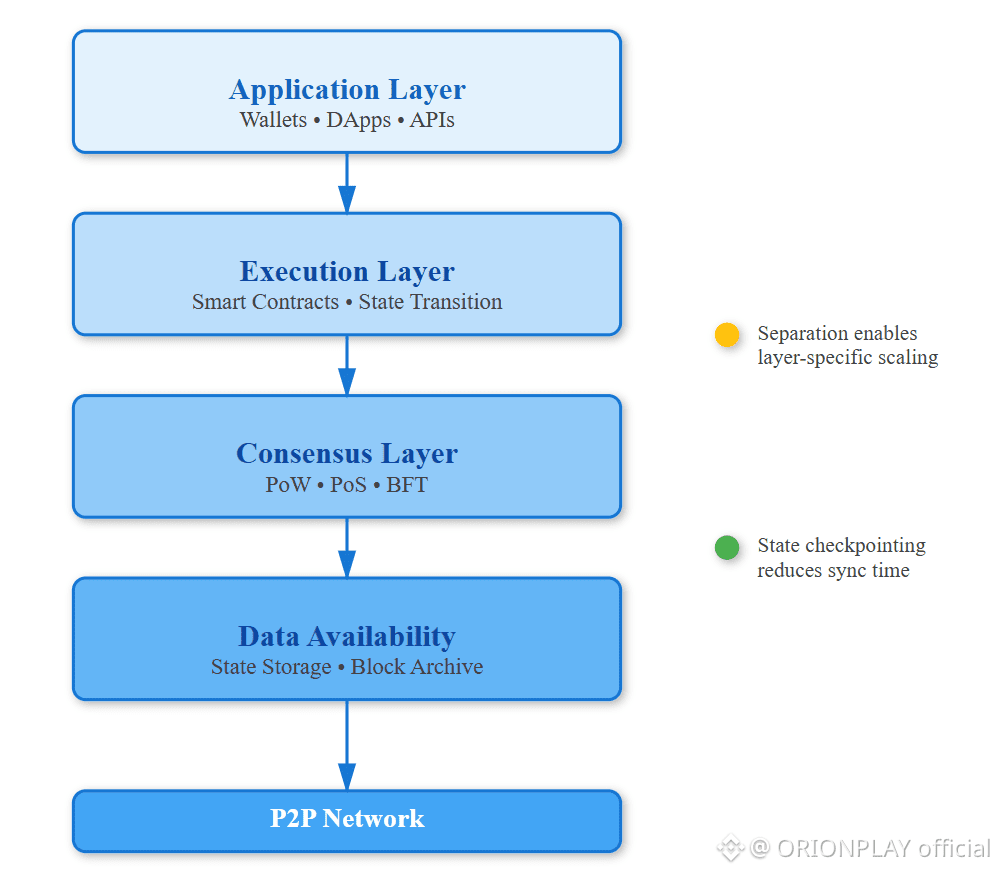
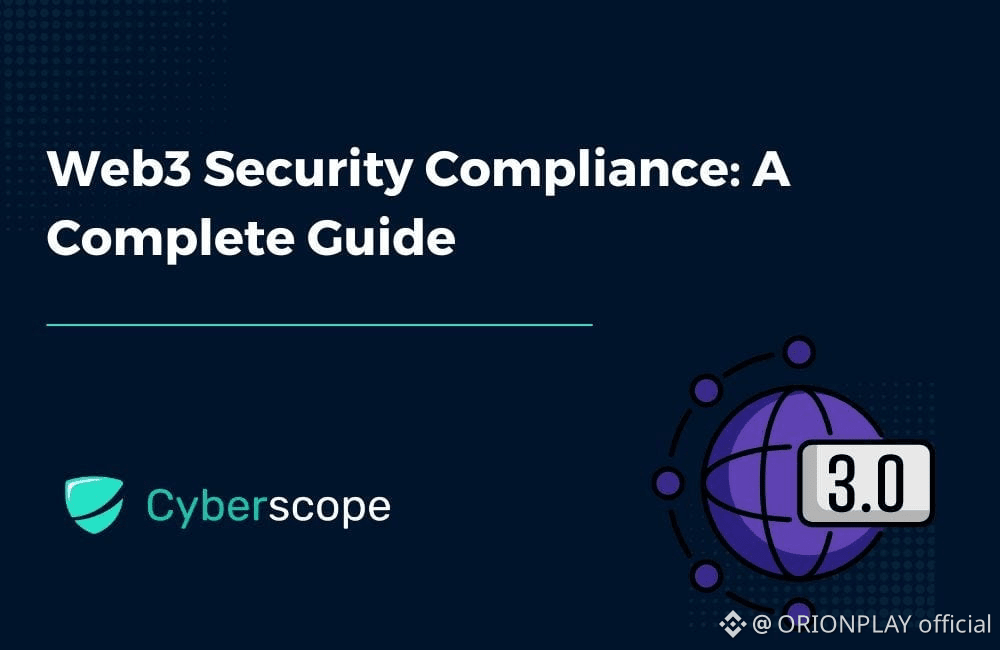
The separation between execution on Sui and storage on Walrus reinforces this idea. Execution can remain agile, composable, and fast. Storage, meanwhile, can focus on durability, integrity, and availability. This is not just good engineering; it is good governance. Systems that blur these responsibilities often end up sacrificing one for the other. Walrus avoids that tradeoff by design.
There is also a forward-looking implication that rarely gets discussed. As AI and data-driven systems increasingly interact with blockchains, reproducibility will become critical. Models trained on datasets need those datasets to remain accessible. Research claims need underlying data to be verifiable. Decisions made by automated systems need audit trails. A blockchain that cannot surface its historical data becomes impossible to trust in serious environments. Walrus quietly prepares for this intersection long before it becomes mainstream.

What makes this especially interesting is that Walrus does not require everyone to care about these issues today. It assumes that they will care later. When disputes arise, when audits are required, when history is questioned, infrastructure like Walrus turns from “optional” into “essential.” By the time that happens, it will be too late to retrofit permanence into systems that never planned for it.
In many ways, Walrus feels like infrastructure built for the uncomfortable phase of Web3’s future — the phase where ideals meet reality. Where decentralization must hold up not just under enthusiasm, but under scrutiny. Where proof must be produced, not promised. That phase rarely gets attention, but it is inevitable.
Walrus does not position itself as a solution for hype cycles. It positions itself as a solution for accountability. And while that may not dominate conversations today, it may quietly decide which systems survive tomorrow.


