


Most blockchain conversations revolve around what is possible. What can be built, what can be automated, what can be decentralized. Far fewer conversations focus on what can safely be operated over long periods of time. In practice, this distinction matters more than innovation itself. Systems that work in theory often fail in production because they expose too much, assume too much, or rely on human trust where enforcement should be mechanical. This operational gap explains why Dusk Foundation feels less like a consumer platform and more like infrastructure designed for environments where errors carry real consequences.
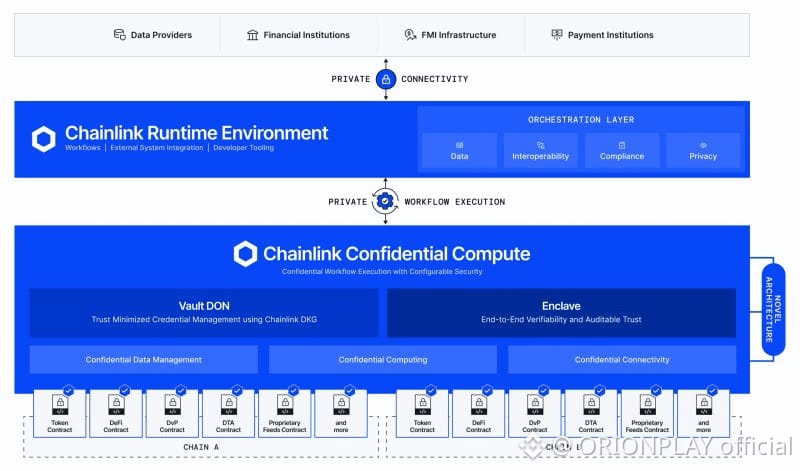
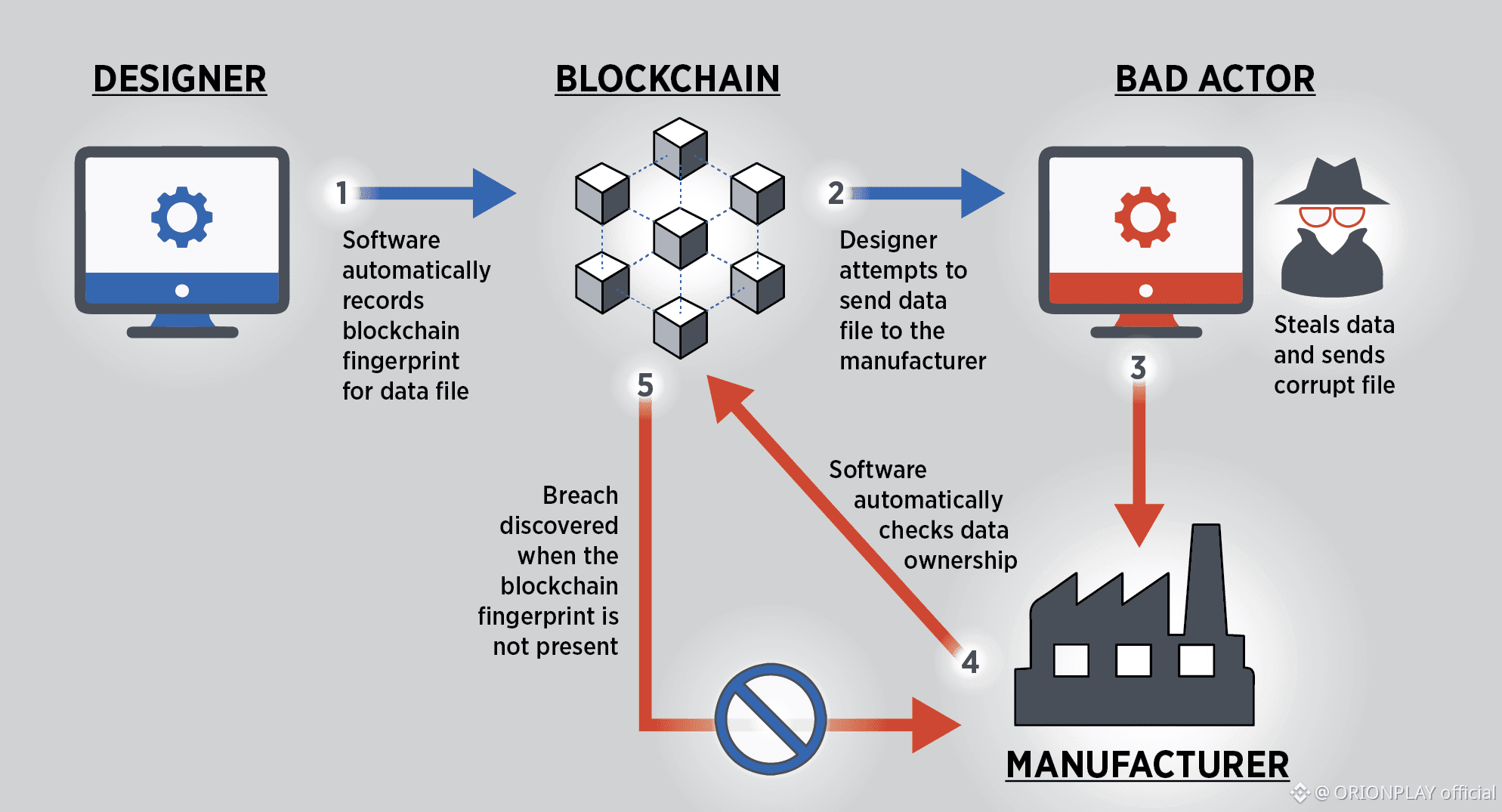
Operational risk in blockchain is rarely discussed openly. Public ledgers leak information continuously. They reveal transaction timing, counterparties, and behavioral patterns that accumulate into actionable intelligence. While this exposure may be tolerable for experimental applications, it becomes a liability when systems interact with regulated assets, treasury operations, or institutional workflows. Dusk approaches this problem by minimizing what operations reveal by default. Execution is verifiable, but internal logic remains shielded, reducing the amount of information that can be extracted from normal system use.
From an operational perspective, confidentiality simplifies more than it complicates. Instead of constantly managing who can see what, the system enforces exposure boundaries automatically. Developers and operators are not asked to manually protect sensitive data; they are prevented from leaking it in the first place. This shifts responsibility away from process and toward architecture. When privacy is structural, fewer operational controls are needed downstream.
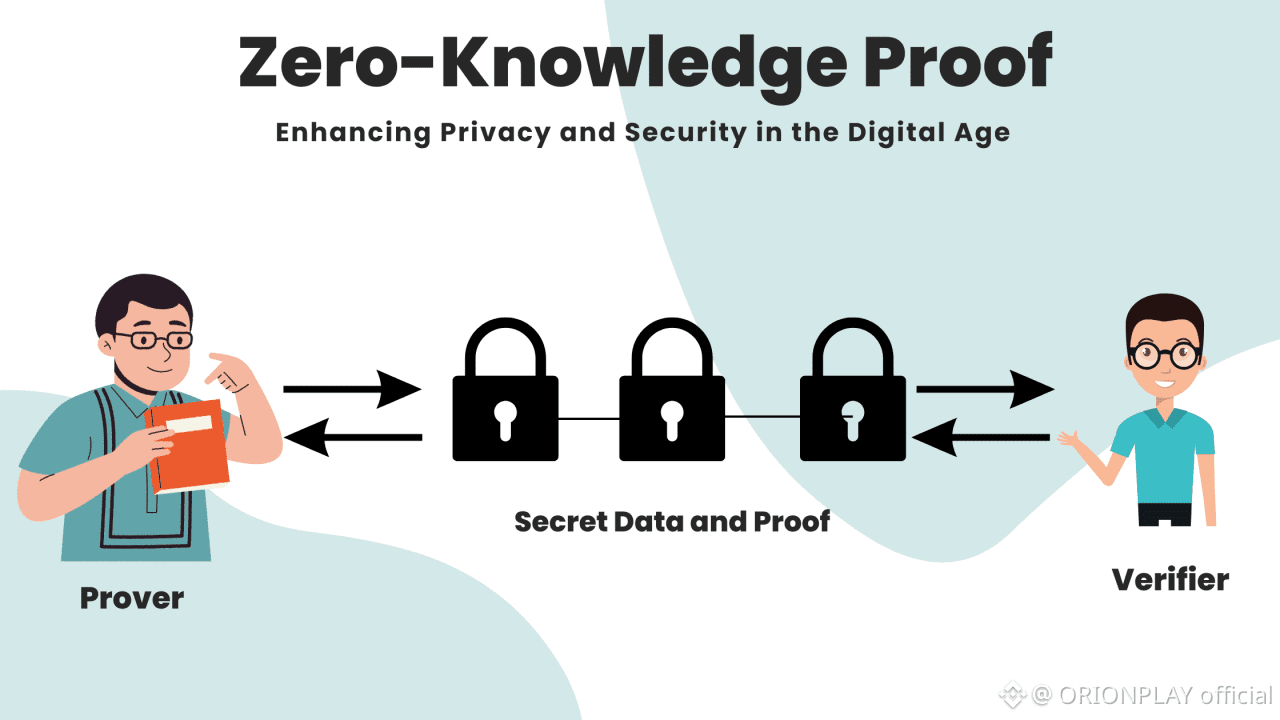
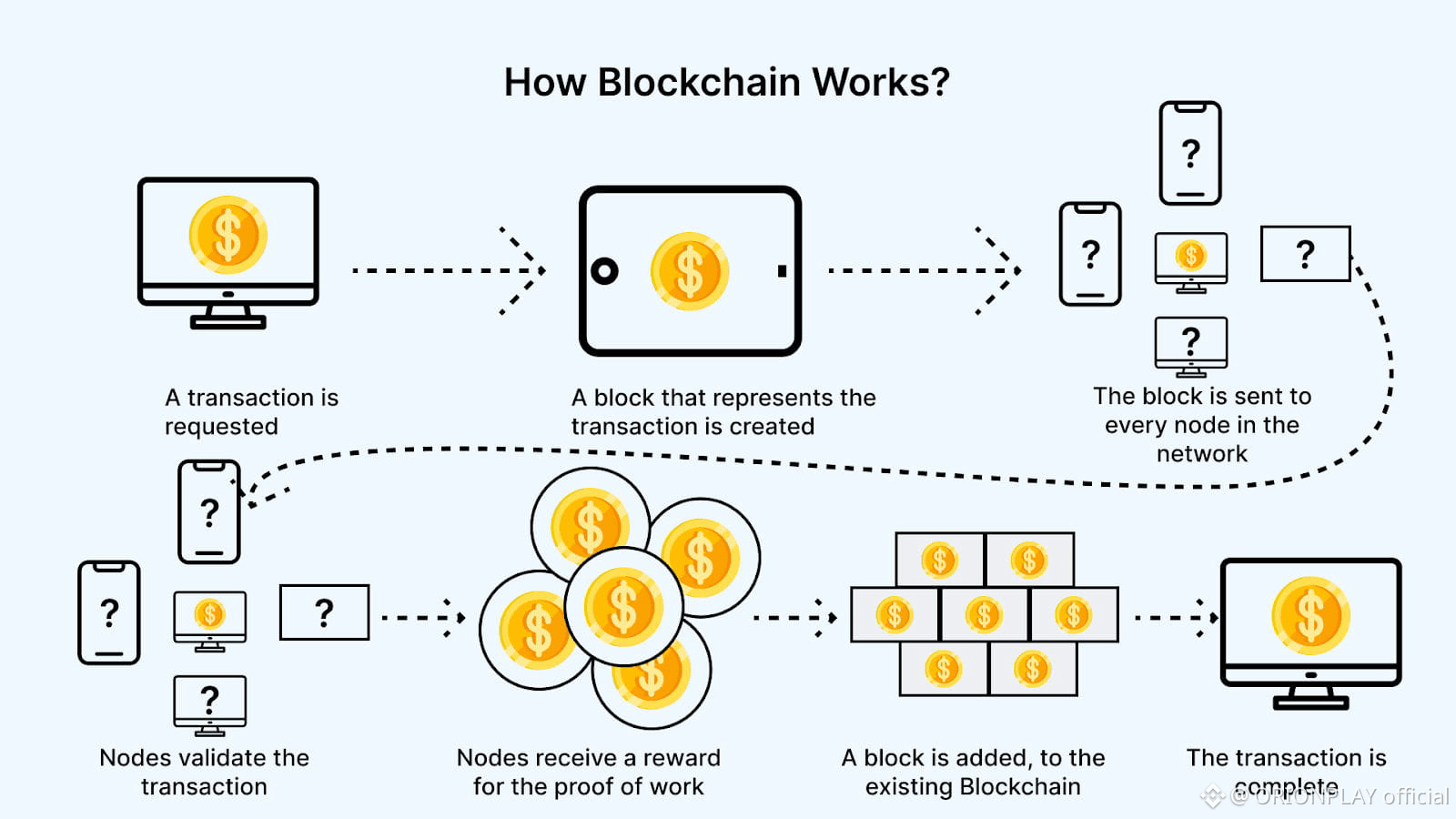
Another overlooked aspect is how privacy affects incident response. In transparent systems, every anomaly becomes public immediately, often before it is understood. This creates reputational risk, market panic, and regulatory attention even when issues are minor. Dusk’s design limits unnecessary exposure during normal operation, which also limits the blast radius of unexpected events. Incidents can be investigated through proofs and internal verification without turning operational noise into public spectacle.
Audit processes benefit from this model as well. Traditional audits on public chains involve reviewing large volumes of data, reconstructing behavior, and interpreting intent. This is expensive, slow, and often ambiguous. Dusk replaces much of this complexity with cryptographic assurance. Auditors verify that constraints were enforced, not how each decision was made. This reduces audit scope, lowers costs, and increases confidence in outcomes. From an operational standpoint, this is not just elegant; it is efficient.
Long-term operations also expose a weakness in fully transparent systems: they age into predictability. As transaction history grows, behavior becomes easier to model. Strategies that were once safe become obvious, and operational patterns turn into attack vectors. Dusk’s privacy-first approach slows this erosion. By limiting what can be inferred from historical data, it preserves operational flexibility even as systems mature. This is particularly important for infrastructures expected to run for years, not months.
What ultimately distinguishes Dusk is not that it hides information, but that it is selective about what information ever exists publicly. This restraint reflects an understanding of operational reality rather than ideological preference. In environments where compliance reviews, legal accountability, and financial risk intersect, silence is often safer than visibility. Dusk embraces this reality and builds around it, creating systems that do not rely on constant explanation or oversight to remain trustworthy.
As blockchain infrastructure continues to integrate with existing financial and legal systems, operational concerns will outweigh experimental ones. Systems will be judged less by what they promise and more by how they behave under pressure. Dusk Foundation positions itself squarely in this future, focusing on controllability, predictability, and correctness rather than spectacle. For operators and builders working in environments where failure is costly, this focus is not conservative. It is necessary.