


Modern AI applications are data-intensive by nature. Training large models, running inference pipelines, and maintaining feedback loops all require continuous access to large datasets. The challenge is not only storing this data, but ensuring it remains accessible, consistent, and economically sustainable over time.
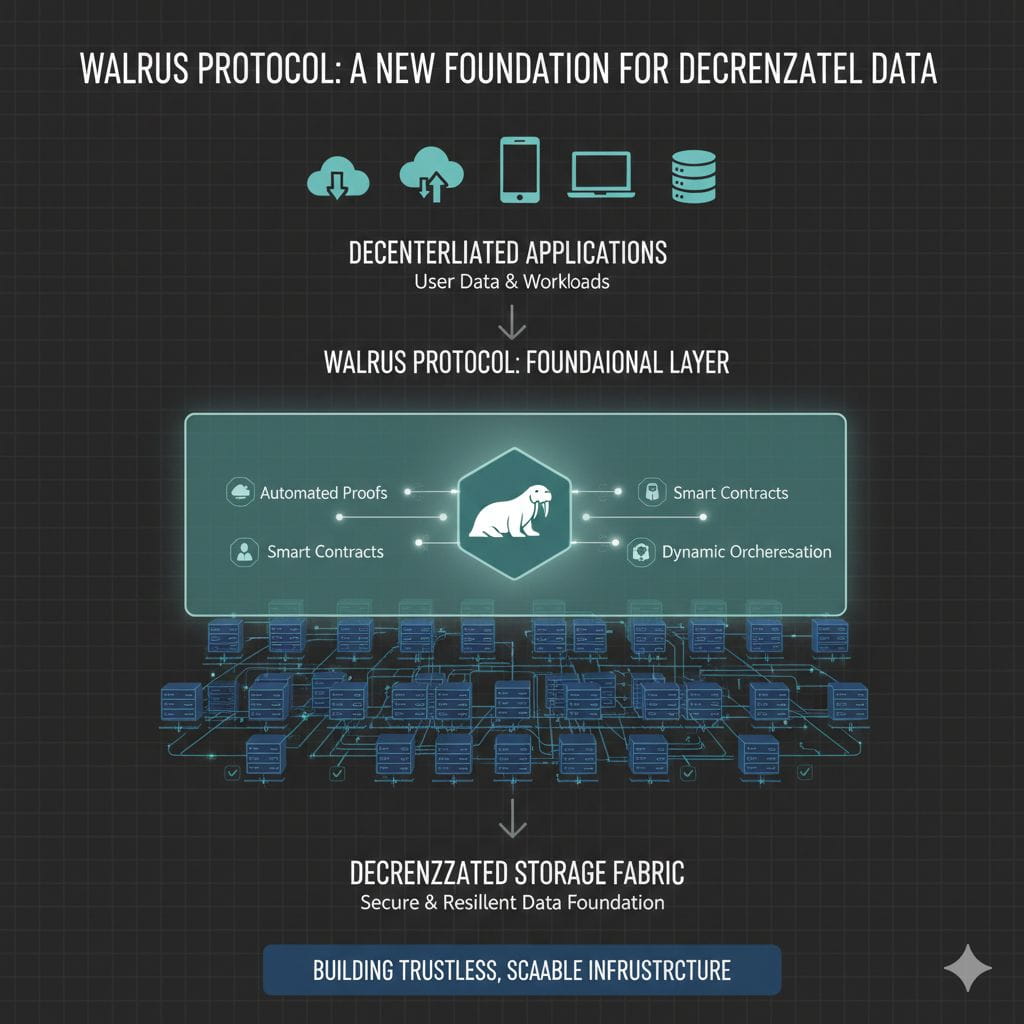
Most storage solutions were not designed with this workload in mind. They assume static access patterns and predictable behavior. AI systems, on the other hand, are dynamic. They consume data repeatedly, evolve over time, and depend on historical context.
Walrus supports these applications by abstracting storage reliability away from application logic. Instead of forcing developers to manage availability checks, replication strategies, and monitoring, Walrus provides a storage layer where availability is continuously verified at the protocol level.
This separation is important. AI developers should focus on models, training strategies, and evaluation — not on building custom storage reliability systems. Walrus allows data-intensive applications to rely on storage as infrastructure, not as an operational burden.
One of the key advantages here is efficiency. AI datasets are large, and duplicating them excessively is costly. Walrus uses erasure coding to maintain resilience without full replication. This allows AI systems to scale data usage without incurring exponential storage costs.
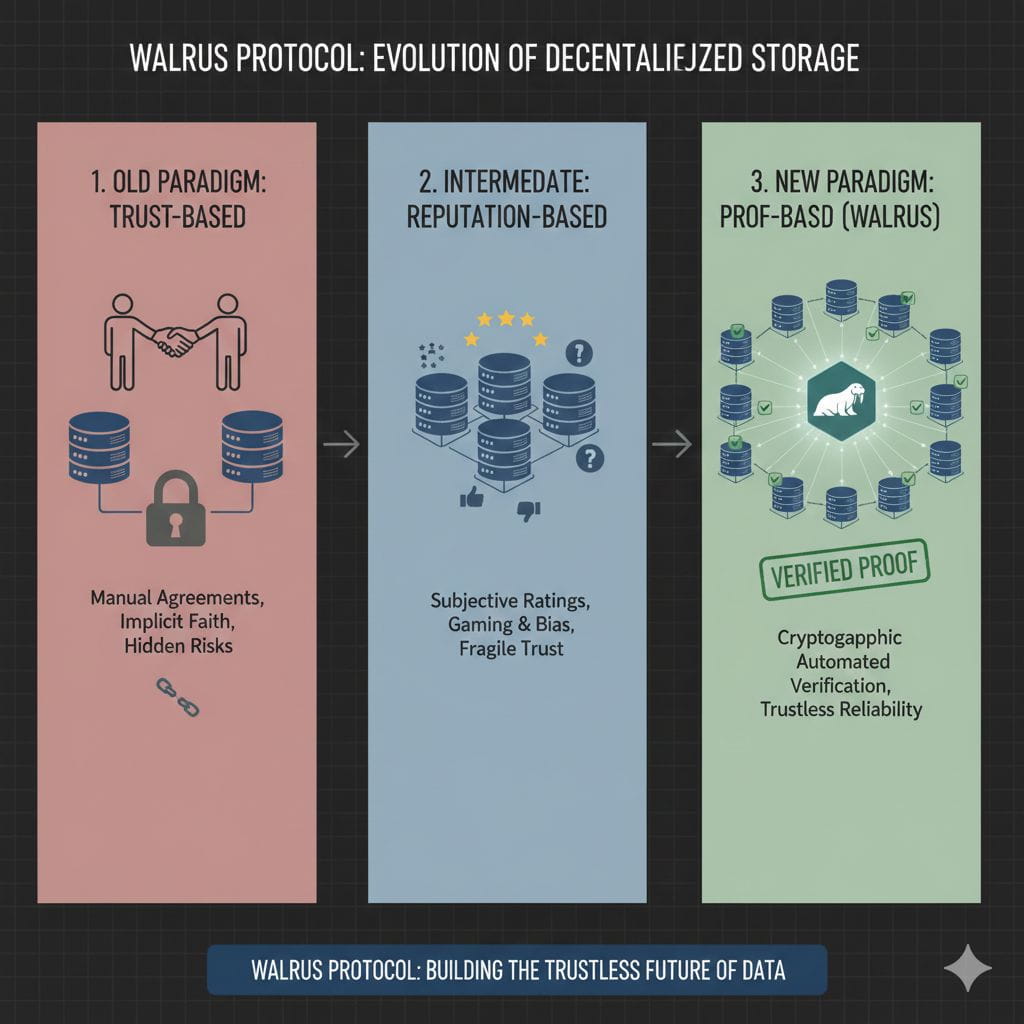
Another critical aspect is failure tolerance. AI pipelines cannot afford silent data loss. Missing fragments can corrupt training, bias outputs, or invalidate results. Walrus is designed to detect failures early through continuous proofs, enabling recovery before applications are impacted.
From an economic perspective, this matters because AI workloads are expensive. Compute costs are high, and wasted training cycles due to unreliable data are unacceptable. Verifiable storage reduces this risk, improving overall system efficiency.
What stands out to me is that Walrus does not try to be “AI-specific.” Instead, it focuses on doing one thing extremely well: making data availability provable and sustainable. This generality is a strength. It allows Walrus to support AI, analytics, and future data-driven applications without being locked into a single use case.
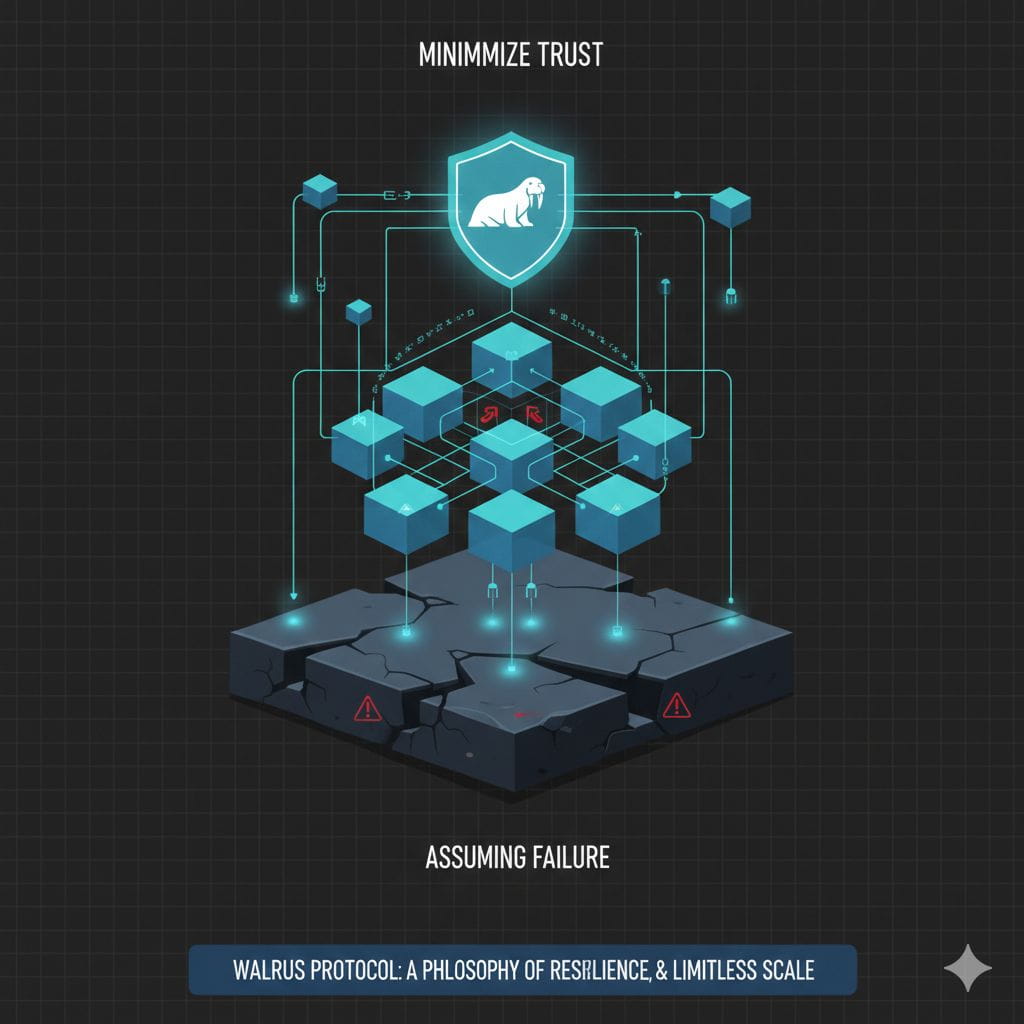
In the long run, AI infrastructure will be judged not by performance benchmarks alone, but by reliability under real-world conditions. Walrus positions itself as a quiet but essential component of that stack.

