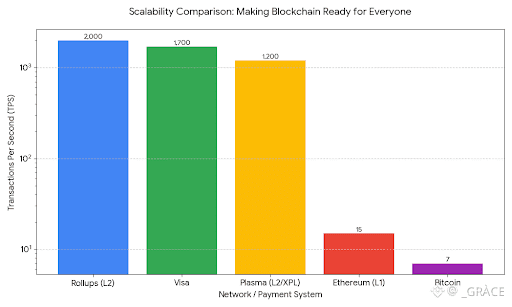
Blockchain is changing the way we handle money, data, and digital apps. But as more people use it, networks can slow down, transactions can take longer, and fees can get high. That’s why Plasma was created to make blockchain faster, smoother, and easier for everyone.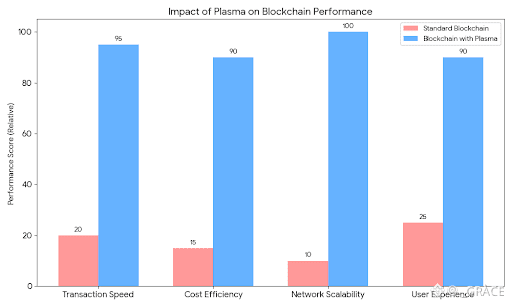
Plasma works by moving most transactions off the main blockchain onto smaller “child chains.” These chains handle the work and only report back to the main chain when needed. Think of it like a busy highway: instead of everyone being stuck in traffic, Plasma opens extra lanes so things can move quickly.
The best part is that Plasma keeps everything safe and secure. Even though transactions happen on these smaller chains, they are still checked and confirmed by the main blockchain. This way, people can send money, trade assets, or use apps quickly without worrying about problems.
Plasma also makes it possible for decentralized apps (dApps) to work much better. Games, marketplaces, and finance apps can run smoothly without delays or high costs. Imagine a blockchain game where thousands of players trade items instantly, or a crypto exchange handling hundreds of trades in seconds. Plasma makes this kind of speed possible.
Another great thing about Plasma is its flexibility. Developers can create child chains for specific purposes, like payments, gaming, or supply chains. Each chain works independently but still connects to the main blockchain, keeping the whole system reliable and fair.
Plasma is not just for tech experts. It helps make blockchain usable for everyone, whether you are buying, trading, or using apps. Faster, cheaper, and smoother transactions mean blockchain can finally reach everyday people and businesses.
In short, Plasma is a step toward the future of blockchain. It makes networks faster, apps better, and usage simple. For anyone curious about how blockchain can really work in the real world, Plasma is one of the most important solutions to know.