Riding the Wave of Decentralized Storage: How Walrus Protocol Is Making Waves on Binance Square”
The crypto world has been buzzing with the rise of Walrus Protocol, and Binance Square has recently put the spotlight on this innovative project. Through its CreatorPad launch event, which ran from January 6 to February 6, 2026, verified users had an exciting chance to claim part of 300,000 WAL tokens by creating content, following project accounts, and trading $WAL on Binance. This campaign is more than just a giveaway—it’s a way for the community to get involved and experience the growing ecosystem of Walrus firsthand.
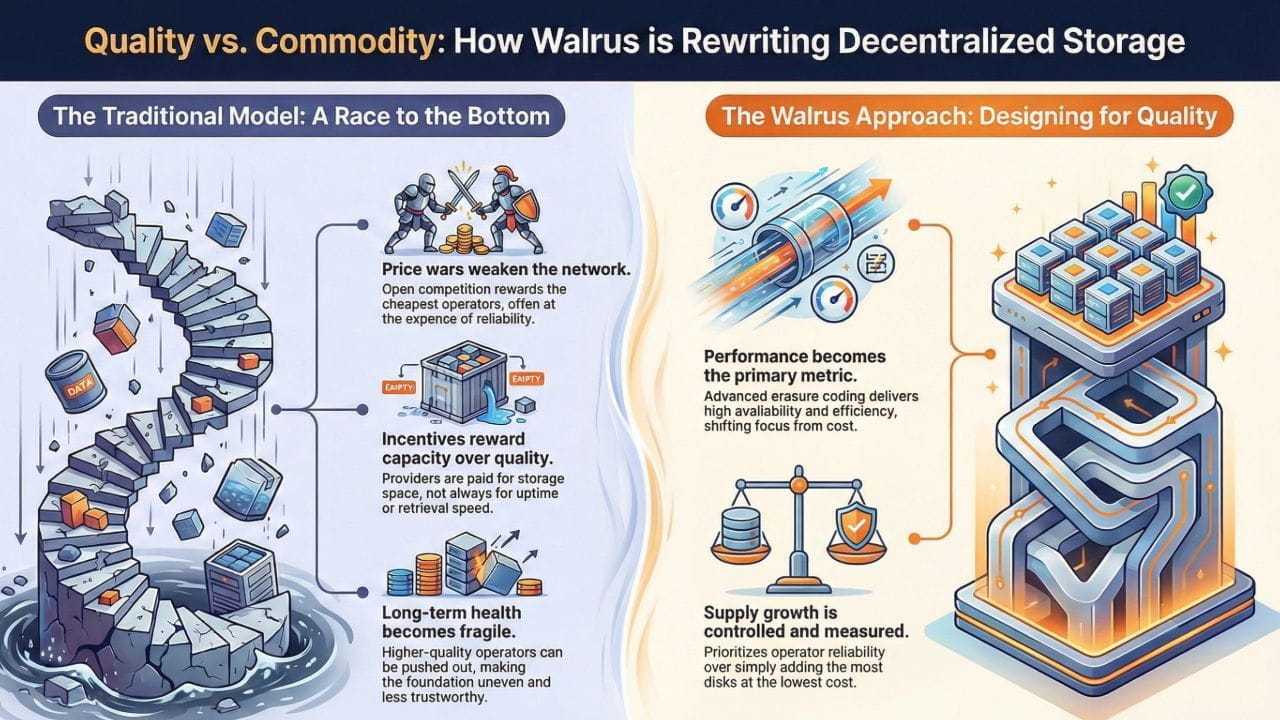
So, what exactly is Walrus Protocol? Simply put, it’s a decentralized data storage network built on the Sui blockchain. Unlike traditional blockchains that struggle to handle large amounts of data efficiently, Walrus was designed to store massive files like videos, images, AI datasets, and even archived blockchain information. It uses an innovative algorithm called Red Stuff, which splits data into pieces and distributes them across multiple nodes. This approach ensures data is secure, recoverable, and stored in a cost-efficient way, giving developers and users a reliable platform for decentralized storage.
The project reached a major milestone in March 2025 with the launch of its Mainnet, officially moving from concept to fully operational network. Prior to that, Walrus successfully completed a $140 million private token sale led by Standard Crypto, attracting big names in the web3 space, including a16z Crypto, Electric Capital, and Franklin Templeton Digital Assets. These funds have been fueling network expansion, better development tools, and applications built on top of the Walrus infrastructure.
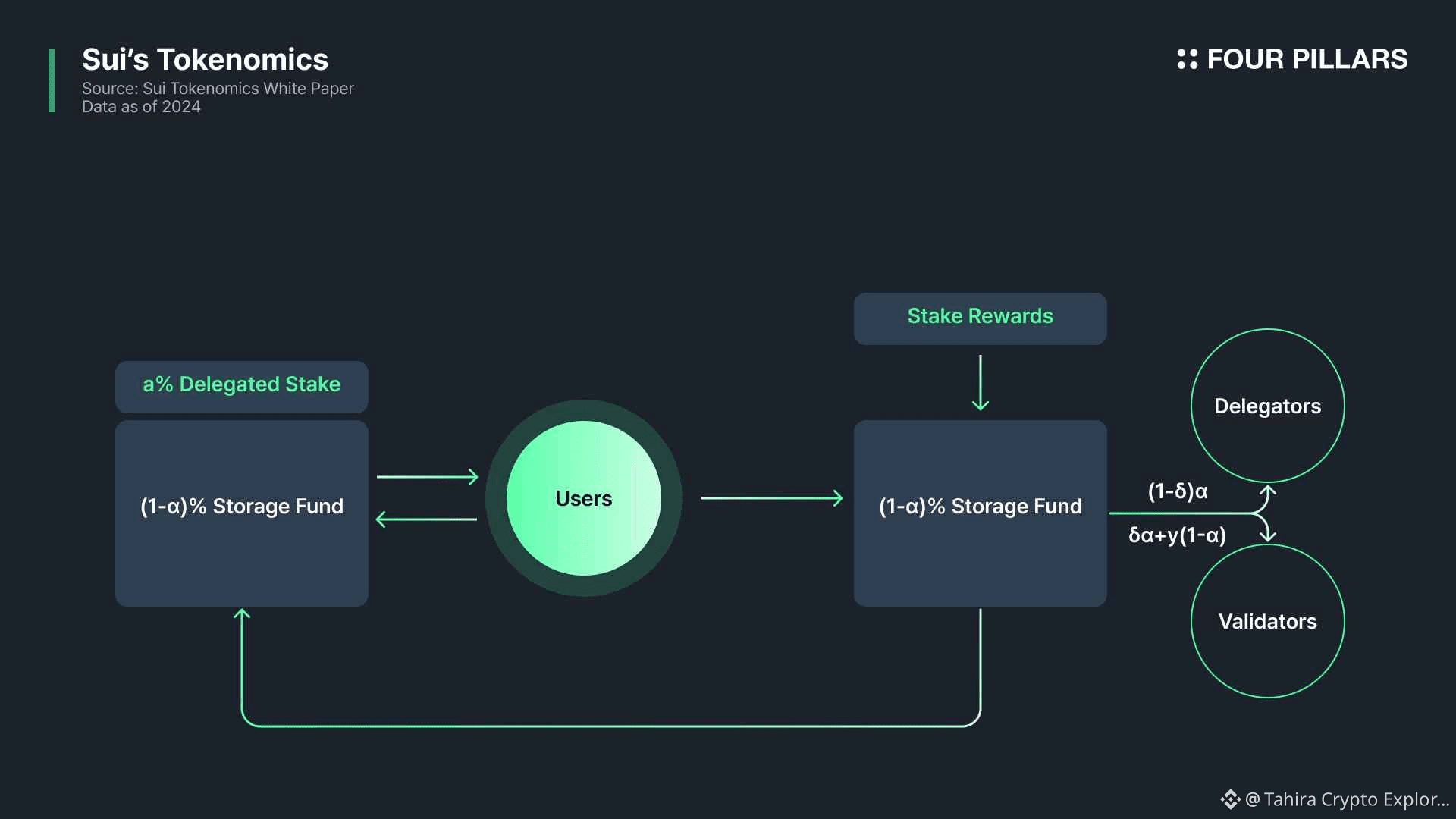
At the heart of the project is the $WAL token, with a maximum supply of 5 billion. This token isn’t just for trading—it’s the lifeblood of the network. Users can pay for storage services, stake or delegate tokens to secure the network, and even participate in governance to help shape the future of Walrus. The token also features deflationary mechanisms to gradually reduce supply over time, adding an extra layer of value for holders.
Walrus has also made its presence felt in the exchange world, listing on Binance Spot, Binance Alpha, and other major platforms like Poloniex. The project was highlighted as the 50th initiative in the Binance HODLer Airdrops, where over 32.5 million WAL tokens were distributed to users holding BNB. These moves have helped increase visibility, trading liquidity, and community participation in the $WAL ecosystem.
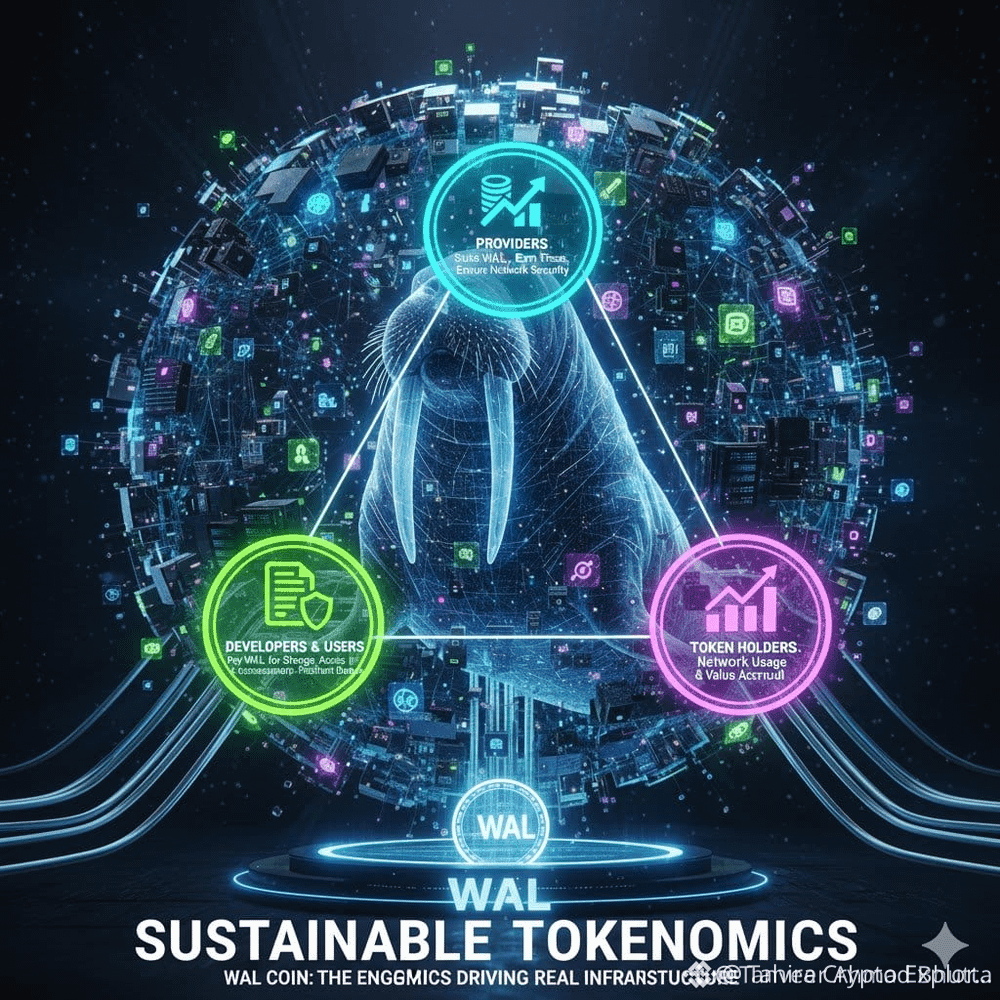
But Walrus is not just about storage—it’s about enabling innovation. Developers can build fully decentralized web experiences on the Walrus and Sui stack, create programmable applications with off-chain storage verified on-chain, and deliver cost-efficient data solutions for AI-driven and media-heavy decentralized apps. The community around Walrus is thriving as well, with open-source SDKs, mobile integrations, and tools for easier interaction with the network.
Interest in Walrus is not limited to airdrops and campaigns. Discussions on crypto forums show growing excitement for staking, long-term holding, and participation in the decentralized storage marketplace. While markets remain volatile, the overall enthusiasm for $wal continues to rise, reflecting the potential of this project in the broader blockchain and AI-driven world.
From a novel storage concept to a recognized player in decentralized data, Walrus Protocol has come a long way. With Binance Square’s recent campaigns, a fully operational mainnet, strong institutional backing, and a passionate community, the project is gearing up for wider adoption, especially as demand grows for AI, media, and decentralized web solutions. For anyone interested in the intersection of blockchain, storage, and innovation, following @Walrus 🦭/acc and tracking $wal developments is now more exciting than ever.