

There comes a moment in every technology cycle when infrastructure that seemed experimental suddenly becomes essential. For stablecoins, that moment is happening right now. In 2024, these digital dollars settled over 15 trillion dollars in annualized transaction volume, exceeding both Visa and Mastercard combined. Yet the infrastructure carrying this enormous value was never designed for it. General purpose blockchains were repurposed for payment rails they weren’t built to handle. Plasma emerged betting that stablecoins need their own dedicated infrastructure, and the timing of that bet might turn out to be everything.
When the Stablecoin Market Outgrew Its Infrastructure
Looking back at how stablecoins evolved reveals why someone eventually had to build what Plasma is building. Early on, stablecoins were just a way to move between crypto trades without touching traditional banking. Traders used USDT to park value between positions. Exchanges used it for liquidity. The volumes were significant but the use case was narrow. Most stablecoins lived on Ethereum because that’s where DeFi happened and where liquidity concentrated.
But something shifted over the past few years. Stablecoins stopped being primarily a trading tool and became an actual financial instrument for regular people. Someone in Argentina uses USDT to protect savings from inflation. A freelancer in the Philippines receives payment in stablecoins to avoid wire transfer fees. A business in Nigeria settles international invoices without dealing with correspondent banking delays. The use cases multiplied far beyond crypto trading, and suddenly you had hundreds of billions of dollars in stablecoins serving real economic functions.
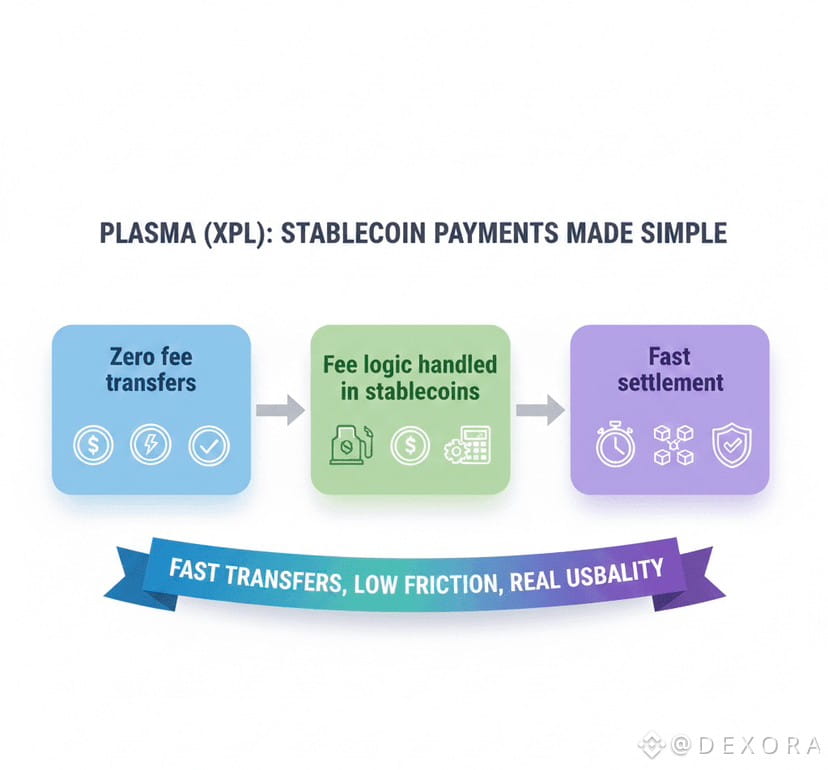
The infrastructure couldn’t keep up. Ethereum fees spiked whenever network activity increased, sometimes costing fifty dollars to send stablecoins. TRON emerged as the dominant settlement layer not through superior technology but simply by being cheaper. People weren’t choosing TRON because they loved the ecosystem. They chose it because sending USDT cost two dollars instead of twenty. That’s a low bar, and it created an opening for infrastructure purpose built for this specific use case rather than general computation.
We’re seeing regulatory frameworks finally catching up to the reality of stablecoin usage. The US GENIUS Act passed in July 2025 recognizing stablecoins as legal payment instruments. Other jurisdictions are developing their own frameworks. Major financial institutions are exploring stablecoin integration. Payment companies are adding stablecoin rails. Everything about stablecoins, from issuance to legislation to integration, is undergoing transformation simultaneously. Into this environment, Plasma launched with infrastructure designed specifically for what stablecoins need rather than what blockchains typically provide.
The Institutional Backing That Shaped the Product
When you look at who invested in Plasma and when, you see a clear signal about what type of infrastructure they intended to build. The early seed round in October 2024 came from Bitfinex for about four million dollars. That’s interesting because Bitfinex isn’t just any exchange. They maintain extremely close relationships with Tether and process enormous stablecoin volumes daily. Their involvement from day one meant Plasma had direct access to the largest stablecoin issuer’s ecosystem and insights into what that ecosystem needed.
Framework Ventures and Bitfinex coleading the twenty four million dollar Series A in February 2025 brought different but complementary value. Framework is among the most respected crypto infrastructure investors, with a track record backing successful protocols. Their involvement validated the thesis that stablecoin specific infrastructure represented a genuine opportunity rather than just another narrative. They brought technical expertise and network effects across the DeFi ecosystem.
Then Peter Thiel’s Founders Fund made a strategic investment in May 2025 at a five hundred million dollar valuation. This matters enormously. Founders Fund represents traditional Silicon Valley venture capital at the highest level. These are people who invested in Facebook when it was a college project and SpaceX when private space companies seemed crazy. Their thesis isn’t about crypto market cycles. It’s about stablecoins becoming foundational infrastructure for global finance. When investors of that caliber back your vision, it shapes how you build the product.
The institutional backing influenced product decisions in important ways. The choice to anchor to Bitcoin rather than just building another EVM chain reflects institutional demands for security guarantees. The fixed fee structure and predictable costs address enterprise needs for budgeting and planning. The compliance focused features like confidential transactions with selective disclosure respond to regulated entity requirements. The multi stage validator decentralization plan recognizes that institutions need proven stability before they’ll trust fully decentralized systems. Every major architectural decision reflects input from investors who understand both crypto and traditional finance.
What’s particularly interesting is the Tether relationship. Having Paolo Ardoino, Tether’s CEO, personally invest creates alignment that goes beyond typical investor dynamics. Tether issues the dominant stablecoin and has clear interest in better infrastructure for USDT transfers. They’re simultaneously working on their own Stable chain while supporting Plasma. Rather than direct competition, this suggests they see the market as large enough for multiple specialized solutions serving different needs. Plasma positioning as the high throughput settlement layer for global USDT transfers complements rather than competes with what Tether is building directly.
The Payment Rails Comparison That Changes Perspective
When ARK Invest’s 2025 report showed stablecoins processing 15.6 trillion dollars annually, 119 percent of Visa and 200 percent of Mastercard, it reframed how we should think about this technology. We’re not talking about an experimental crypto use case anymore. We’re talking about payment infrastructure at global scale already processing more value than the traditional card networks that took decades to build.
But here’s what makes that comparison revealing. Visa and Mastercard charge fees on every transaction. Merchants pay interchange fees typically between one and three percent. That’s sustainable at scale because the volumes are enormous. Plasma is attempting something more ambitious, offering zero fee basic transfers while still building sustainable economics. The bet is that by removing friction for simple transfers, they capture enough volume that fees on complex operations generate sufficient revenue to sustain the network.
The use cases Plasma enables start resembling traditional payment rails more than crypto protocols. Someone sending remittances from the US to family in Latin America currently pays fees to money transfer services, often five to ten percent for smaller amounts. With Plasma, that same transfer happens in seconds with zero fees. A freelancer receiving payment from overseas clients typically waits days for wire transfers while paying thirty to fifty dollars in fees. On Plasma, settlement is instant and near free. A business paying international suppliers faces currency conversion costs, correspondent banking fees, and multi day settlement times. Plasma eliminates all that friction.
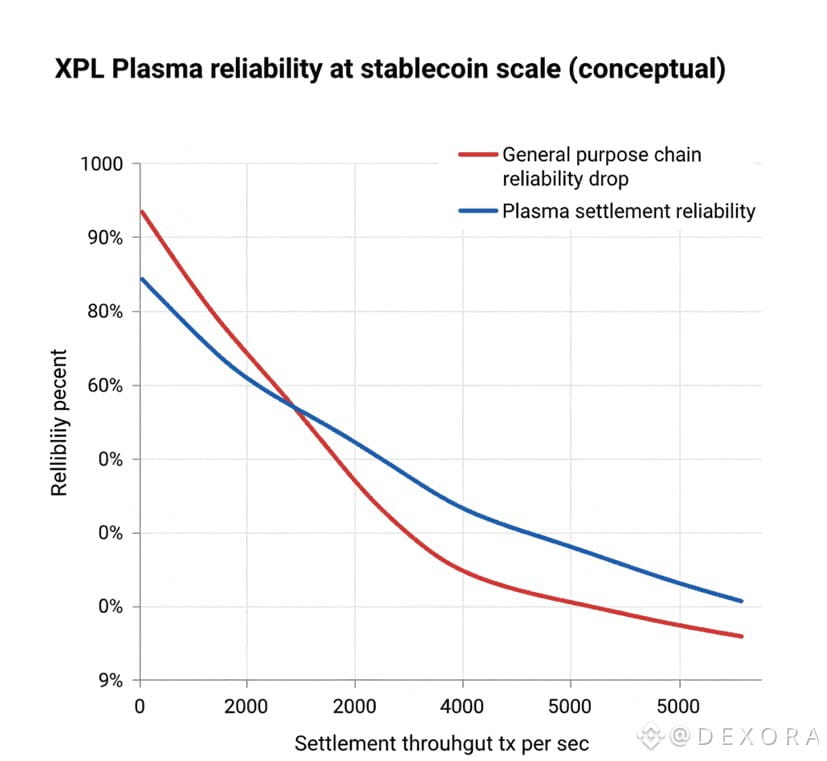
The merchant acceptance angle becomes particularly interesting as infrastructure matures. Right now, stablecoin payments require the merchant to understand crypto and maintain wallets. Plasma One and similar applications are building interfaces that look like traditional payment apps while using stablecoin infrastructure underneath. A merchant doesn’t need to know they’re accepting payment on a blockchain. They just see instant settlement in dollars without card processing fees. For businesses operating on thin margins, saving two to three percent on every transaction while getting instant settlement rather than waiting days for funds creates real economic value.
Building Network Effects Through Strategic Integrations
The partnerships Plasma announced throughout 2025 reveal a strategy for building network effects quickly. Integrating with Aave brings institutional lending infrastructure with billions in active loans. Users who deposit USDT into Plasma can immediately access leverage through Aave’s proven lending markets. That’s not a future integration or planned feature. It’s working functionality from day one that makes the platform immediately useful beyond basic transfers.
Ethena integrating their synthetic dollar creates different value. They’ve built a stablecoin backed by hedged perpetual positions rather than traditional collateral. Having Ethena on Plasma means users can trade between different stablecoin types efficiently. The arbitrage opportunities this creates bring professional traders and market makers who provide liquidity. More liquidity makes the platform better for everyone else. It’s the classic network effect where each additional participant makes the network more valuable for existing participants.
The Yellow Card partnership demonstrates how Plasma is thinking about real world adoption beyond crypto natives. Yellow Card serves African markets with digital financial services. They’re onboarding users who need access to dollars but have limited traditional banking infrastructure. By integrating Plasma, Yellow Card can offer their users near instant, near free stablecoin transfers for remittances and savings. These are people who might never directly interact with a blockchain or hold XPL tokens but are using Plasma infrastructure through consumer applications. That’s how you reach billions of users rather than millions of crypto traders.
What makes these integrations particularly powerful is the composability enabled by EVM compatibility. Because any Ethereum contract works on Plasma without modifications, protocols can deploy on multiple chains simultaneously. Users can move assets between chains through bridges without complex conversions. Developers can build applications that leverage liquidity across ecosystems. The more protocols deploy, the more useful the platform becomes, creating this compounding effect where growth accelerates as the ecosystem reaches critical mass.
The Bitcoin Anchoring Strategy as Competitive Moat
Plasma’s decision to anchor to Bitcoin creates differentiation that’s difficult for competitors to replicate. Most new Layer 1 blockchains either build completely independent systems or connect to Ethereum as Layer 2 solutions. Plasma chose a third path, creating an independent high performance chain that inherits Bitcoin’s security guarantees through periodic state root anchoring. This hybrid approach gives them properties that neither pure Layer 1s nor Layer 2s can easily match.
For institutional adoption, the Bitcoin connection matters enormously. Bitcoin represents the most secure and decentralized blockchain with over a decade of proven operation and enormous hash power protecting it. When Plasma anchors its state to Bitcoin, any attack on Plasma’s history would require not just compromising Plasma validators but also reorganizing the Bitcoin blockchain itself. That’s practically impossible given Bitcoin’s proof of work security. Institutions evaluating blockchain infrastructure care deeply about security guarantees, and Bitcoin anchoring provides assurances that pure proof of stake systems can’t match.
The trust minimized Bitcoin bridge creates another dimension of utility. Users can bring actual BTC into Plasma’s EVM environment without relying on wrapped tokens or custodial solutions. The bridge uses a decentralized network of verifiers including stablecoin issuers and infrastructure providers who monitor deposits and use multi party computation for attestations. This removes single points of failure while maintaining the efficiency of moving between chains. For users, it means BTC becomes usable in DeFi applications on Plasma while maintaining the security properties of actual Bitcoin rather than derivative tokens.
The strategic insight here is recognizing that Bitcoin and stablecoins serve complementary functions. Bitcoin is the premier store of value asset but doesn’t practically serve as a payment medium at scale. Stablecoins provide the stability and speed needed for payments but lack Bitcoin’s security heritage. By bridging these two assets on infrastructure optimized for both, Plasma positions itself at the intersection of crypto’s two strongest product market fits. That positioning is difficult for general purpose chains to replicate because it requires architectural decisions made from inception rather than features added later.
The Sustainability Model Under Pressure and Scrutiny
Six months after launch, the economic model Plasma is testing faces both validation and skepticism. The zero fee USDT transfers work as promised technically. Users can send stablecoins without paying gas fees, making micro payments and remittances viable. But this convenience is subsidized through ecosystem allocations and network inflation. At current burn rates, the 373 million dollars raised provides several years of runway, but the transition from subsidized to sustainable needs to happen before capital runs out.
Critics pointing to the XPL token declining 85 percent from peak argue the model is failing. If the primary use case generates no revenue and complex operations aren’t generating sufficient fees to sustain validators, the economics don’t work long term. The token price reflecting this skepticism makes sense from that perspective. Why hold XPL if the core functionality is free and revenue from other sources remains uncertain?
Supporters counter that infrastructure building requires patience. Amazon ran losses for years building logistics networks. Uber subsidized rides indefinitely establishing their marketplace. Every successful network faces this chicken and egg problem where you need users to attract liquidity and liquidity to attract users. Subsidizing free transfers solves the cold start problem by removing friction that would otherwise prevent adoption. Once network effects reach critical mass, the value captured through fees on complex operations and ecosystem growth justifies the early subsidies.
The actual data from the first six months shows both challenges and promise. Total value locked declining from peak to around 1.8 billion dollars indicates some liquidity was mercenary capital chasing yields that left when incentives decreased. But transaction volume maintaining strong growth with over one trillion dollars annualized suggests real usage beyond speculation. The number of active addresses keeps growing. DeFi protocols report genuine user activity rather than just wash trading. These positive indicators compete with negative token price action, creating this split narrative where the technology works but markets remain skeptical.
What would prove the model works? Probably seeing transaction complexity increase over time. If the ratio of complex DeFi operations to simple transfers grows, it indicates users aren’t just taking advantage of free transfers but building genuine economic activity on the platform. If validator revenue from complex operation fees grows consistently quarter over quarter, it demonstrates a path to sustainability. If major institutions announce they’re using Plasma for stablecoin settlement rather than just testing, it validates the institutional adoption thesis. These milestones would matter more than token price for assessing whether the core business model works.
The Real World Adoption Metrics That Actually Matter
When evaluating infrastructure projects, usage metrics tell more truth than token prices. Plasma One launching in September 2025 created an interesting test case. It’s a consumer neobank built on Plasma offering dollar denominated accounts with over ten percent yields, up to four percent cashback, and payment cards accepted globally. Within weeks, tens of thousands of users had onboarded, primarily from emerging markets where access to stable currencies is difficult.
These users don’t know or care that Plasma uses PlasmaBFT consensus or anchors to Bitcoin. They see an app that lets them save in dollars, earn decent yields, and spend anywhere. The fact that it’s running on blockchain infrastructure is invisible to them. That’s exactly how mainstream adoption happens. The technology becomes infrastructure that applications build on rather than something users need to understand directly.
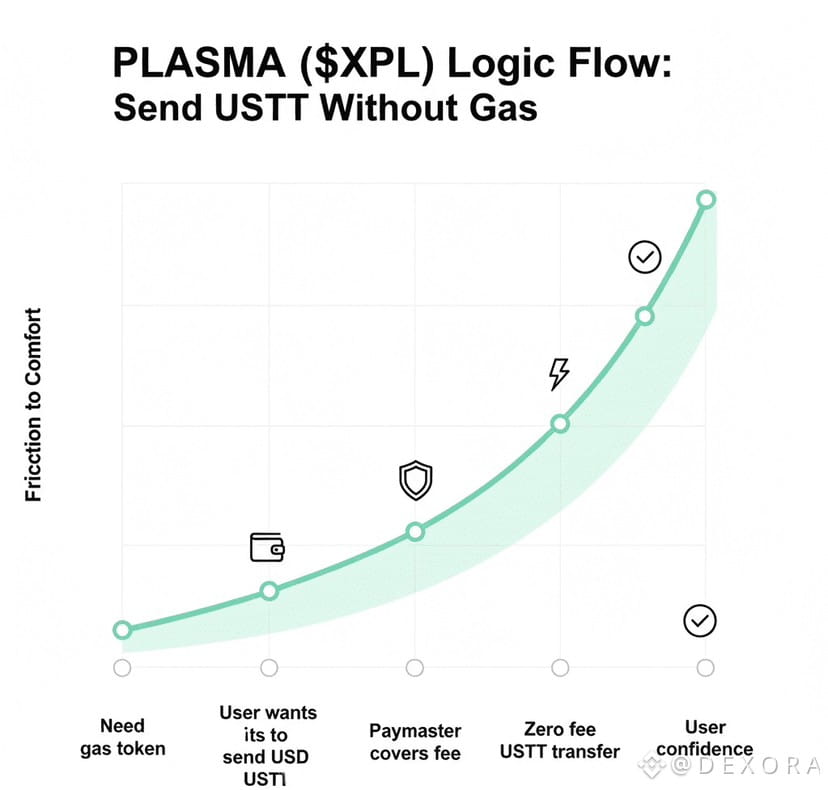
The merchant side shows similar patterns. Businesses integrating stablecoin payment options through Plasma infrastructure care about settlement speed, transaction costs, and chargeback risk. They’re comparing against credit card processing fees of two to three percent plus chargeback exposure. If Plasma enables instant settlement with negligible fees and no chargeback risk, that’s economically compelling regardless of how the underlying technology works. Early data from merchants testing Plasma integrations shows they’re processing real transaction volume not just experimenting with the technology.
The remittance corridor tests happening in Latin America and Africa provide another data point. Yellow Card users sending money home are saving five to ten percent compared to traditional money transfer services. The transfers happen in minutes rather than days. Recipients can hold value in stablecoins or convert to local currency based on their needs. These aren’t theoretical benefits. They’re dollars saved and time gained for people who can’t afford to waste either. When you see thousands of people choosing Plasma infrastructure for real financial needs rather than speculation, it indicates genuine utility.
Where the Next Chapters Lead
The roadmap through 2026 focuses on features that expand utility beyond basic transfers. Confidential transactions will allow privacy compliant transfers where transaction amounts and participants can be hidden from public view while remaining auditable by authorized parties. This addresses enterprise needs for private payroll or B2B settlements where competitors shouldn’t see transaction details. The Bitcoin bridge moving from testnet to mainnet production will enable large scale BTC liquidity to flow into DeFi applications. Additional stablecoin support beyond USDT will reduce dependence on any single asset.
The validator decentralization plan moving from trusted validators to permissionless participation will test whether Plasma can maintain performance while truly decentralizing. Many blockchains struggle with this transition because decentralization often comes with performance trade offs. Plasma’s architecture with stake weighted committee selection and reward slashing rather than collateral slashing attempts to keep things simple enough that many validators can participate without creating coordination overhead or unacceptable risk.
The question of whether Plasma succeeds ultimately comes down to network effects and timing. They’re building during a moment when stablecoins are transitioning from experimental to essential. Regulatory frameworks are being written now rather than being settled law. Institutional adoption is happening now rather than remaining theoretical. Consumer applications are launching now rather than waiting for infrastructure to mature. If Plasma captures meaningful market share during this transition period, the switching costs and network effects could create defensible advantages.
What keeps me thinking about Plasma’s future is recognizing that global stablecoin usage is still early despite already exceeding card network volumes. Most people worldwide don’t have access to stable currencies or efficient payment rails. Most businesses operate in countries where traditional banking is expensive and unreliable. Most remittance flows still go through outdated infrastructure charging exploitative fees. If stablecoins actually solve these problems at scale, the infrastructure enabling that adoption becomes extraordinarily valuable regardless of whether current token prices reflect it. The gap between what the technology enables and what markets currently value creates either enormous opportunity or enormous risk depending on whether adoption materializes. That’s the bet Plasma is making, and watching it play out might teach us more about building financial infrastructure than any whitepaper ever could.