
Most blockchains today act like digital receipts: they can prove that a transaction occurred, but extracting actionable meaning from the data is cumbersome. Developers often have to move it off-chain, reconstruct context manually, and hope it remains accurate. Vanar Chain challenges this paradigm entirely. Its vision is built on the idea that the next generation of applications will not rely on humans pressing buttons—they will rely on AI agents executing tasks at scale. For this, a blockchain must do more than store data; it must enable reasoning, memory, and intelligent decision-making directly on-chain.
Vanar is an AI-native Layer-1 blockchain structured around PayFi and tokenized real-world assets, where data is formatted for machines to interpret and act upon. It addresses one of the biggest gaps in Web3: dead files and fractured context. While blockchains offer proof of existence—like a PDF invoice on IPFS—verifying meaning remains elusive. A hash can confirm integrity, but it cannot answer questions such as: Is this invoice paid? Does this document comply with regulations? Has any data changed since last month? Most chains were never designed to answer these questions, and that is the problem Vanar seeks to solve.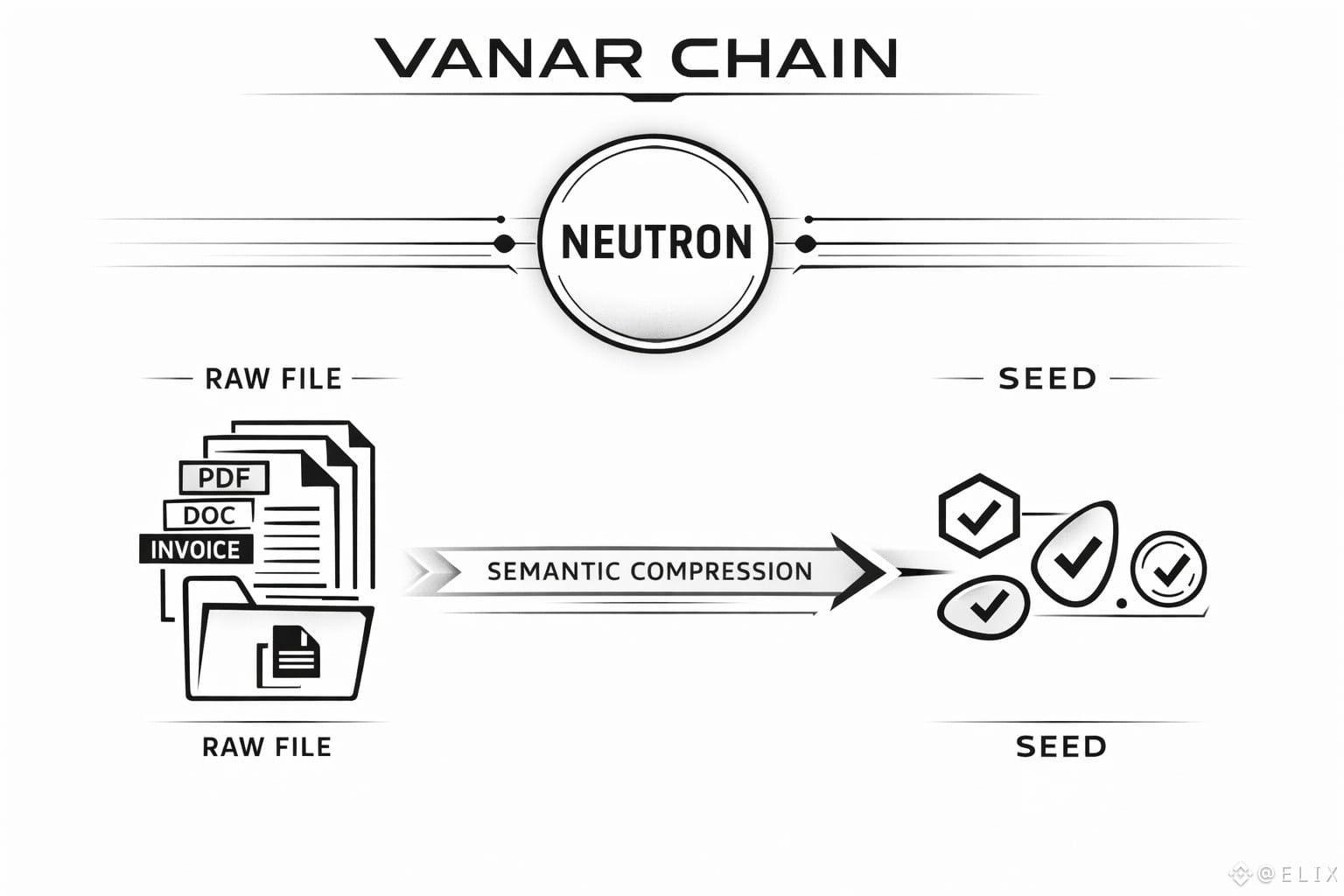
At the heart of Vanar is Neutron, a semantic layer that converts raw files into compact “Seeds.” These Seeds retain meaning while reducing file sizes from 25MB to approximately 50KB. By breaking unstructured data into small, verifiable objects, Neutron ensures that AI applications can access and act on information without moving it off-chain. Instead of reading a PDF externally, applications can interact directly with a Seed and respond intelligently.
Complementing Neutron is Kayon, Vanar’s on-chain reasoning and compliance layer. Kayon enables natural-language queries, situational analysis, and automated rule enforcement. Unlike projects that merely bolt AI onto blockchains, Vanar integrates intelligence into the stack itself. Logic is not limited to static if/then rules; it is context-aware, capable of interpreting data and applying rules autonomously. Kayon transforms raw data into actionable insights, effectively turning the blockchain into a business-intelligence engine.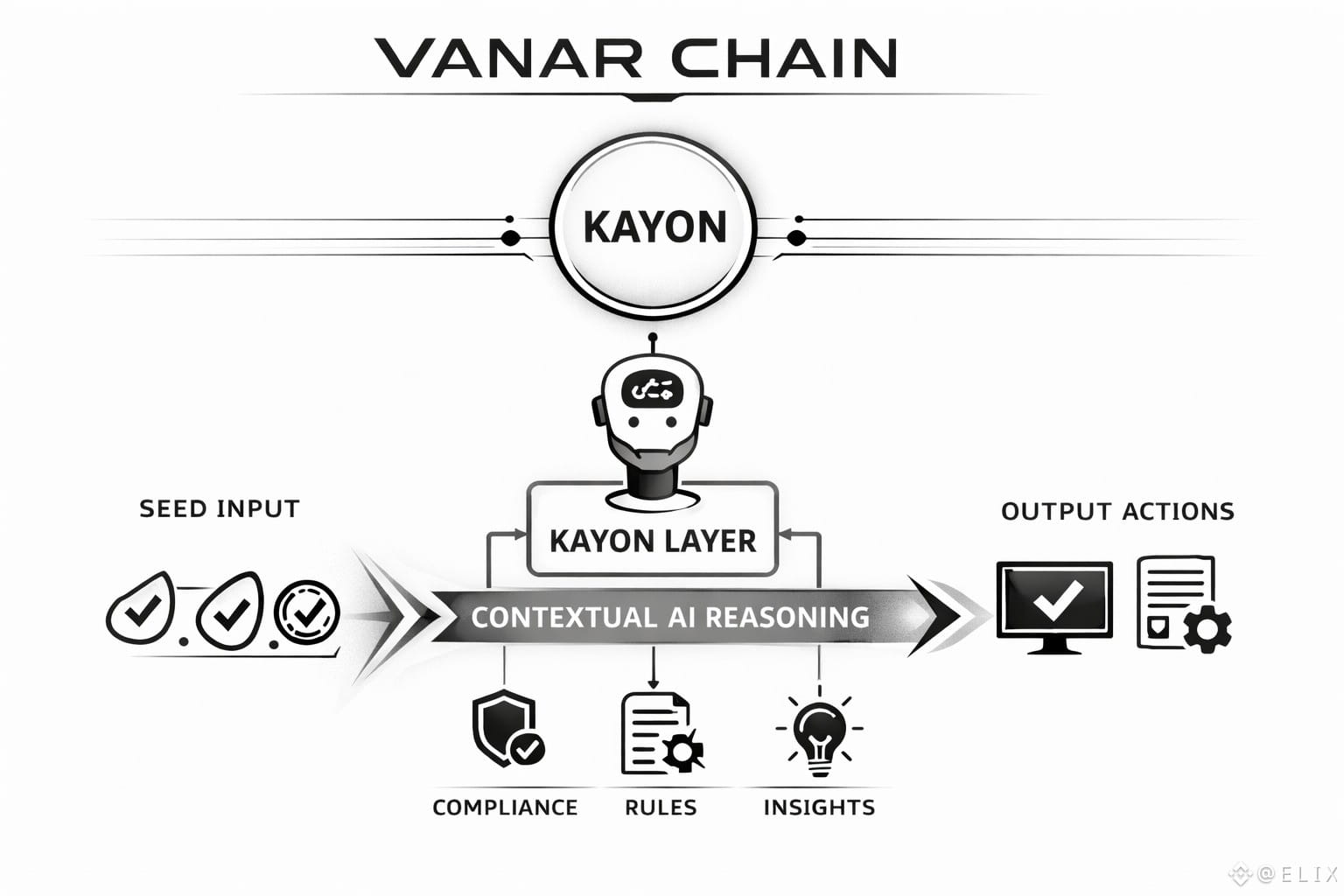
Vanar’s vision extends beyond AI. Its PayFi framework ensures crypto payments are seamless, transparent, and fully integrated with mainstream payment rails. Through a collaboration with Worldpay, a global payments provider handling trillions of dollars annually, Vanar demonstrates that Web3 payments can be frictionless—from crypto in, compliance checks, settlement, to fiat out. PayFi optimizes the chain for reliability, predictable costs, and compliance logic, ensuring AI agents can execute thousands of small actions efficiently without being disrupted by volatile fees.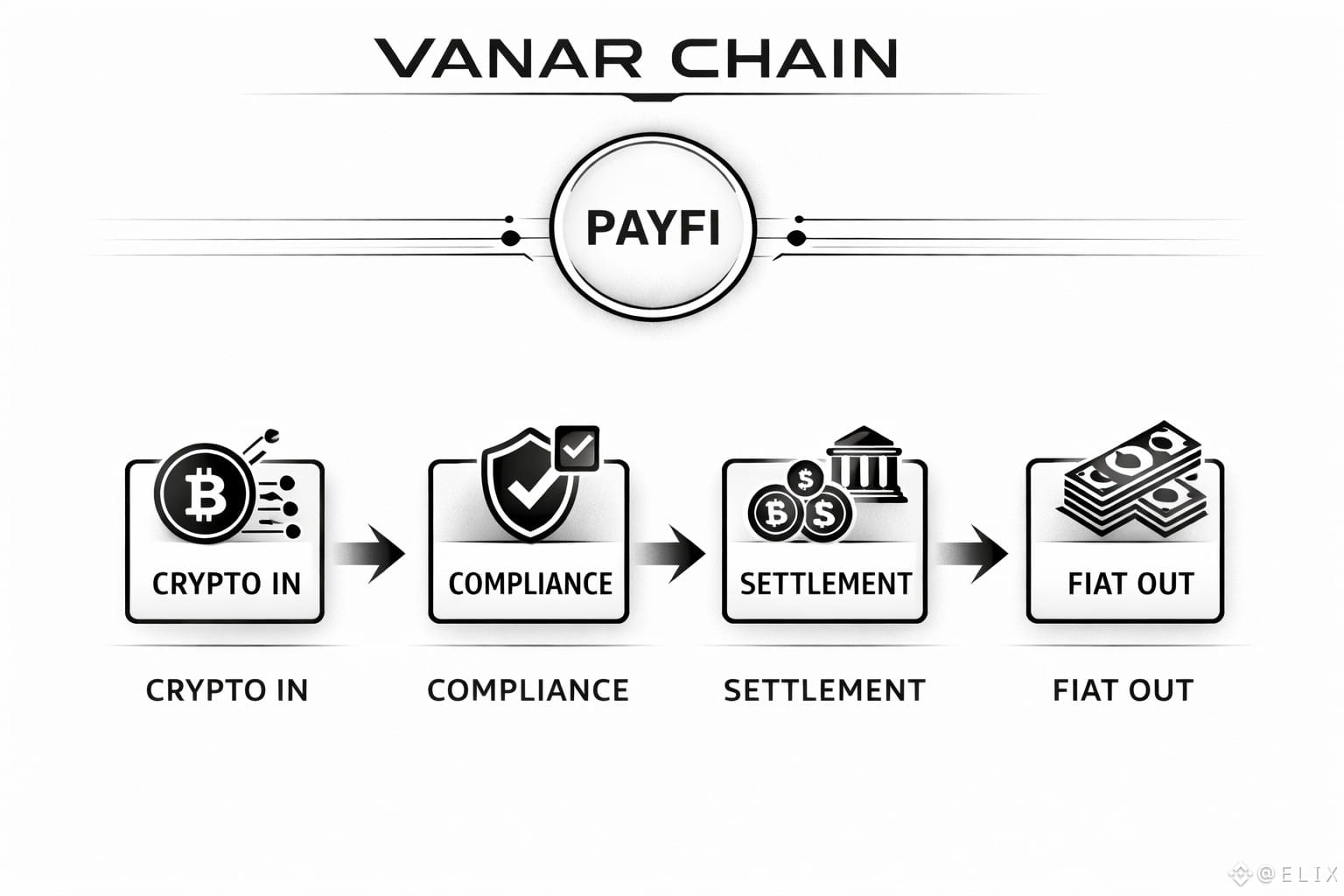
The project also underwent a strategic rebranding from TVK to VANRY, reflecting its pivot toward AI-native infrastructure. This is more than a name change—it is a reinvention around intelligent applications, actionable data, and reliable payment flows. Vanar treats data not as passive archives but as software components: small, testable, queryable, and usable directly on-chain. Neutron Seeds are agent-ready semantic objects, enabling computation and decision-making without leaving the blockchain.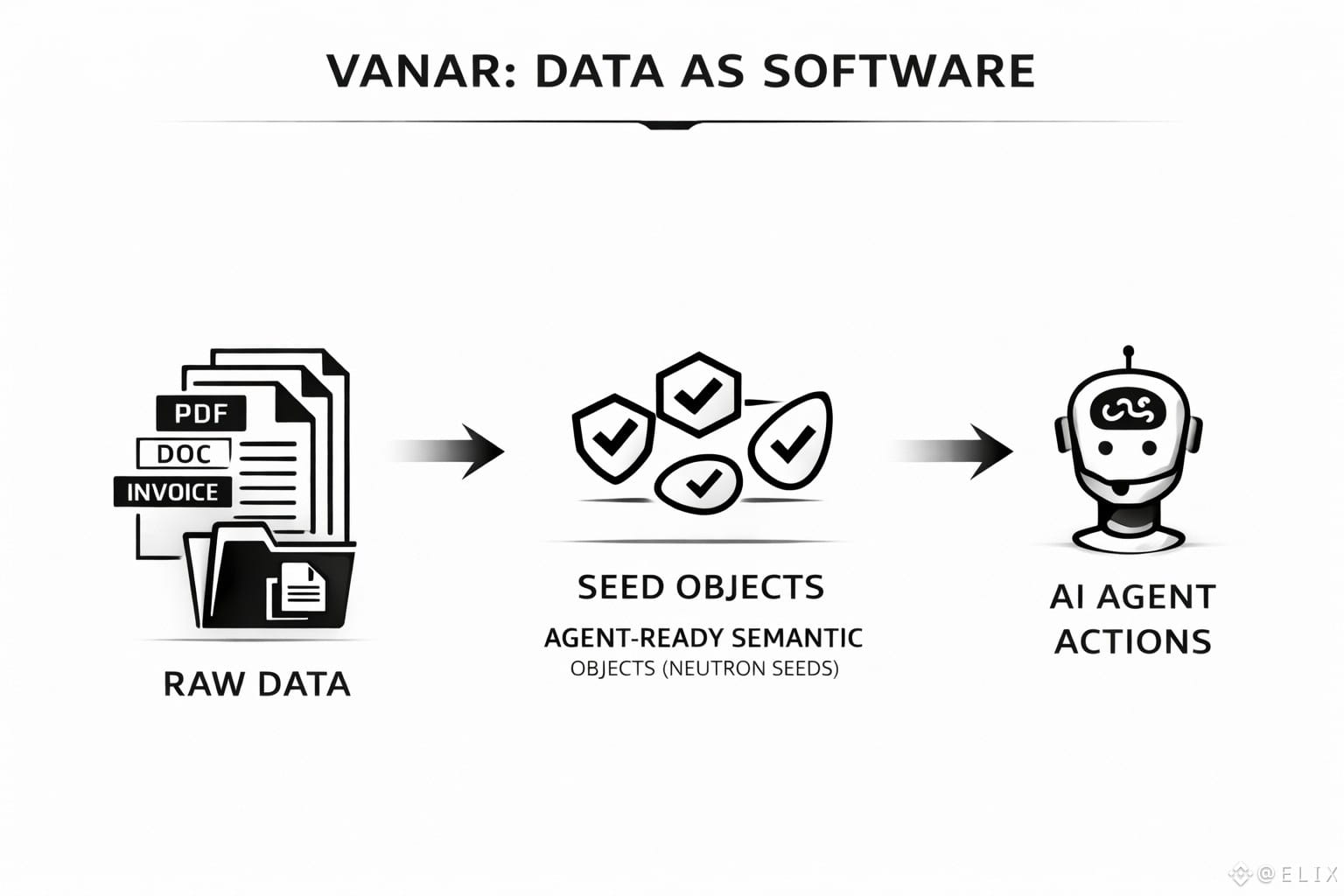
Vanar is redefining what it means for a blockchain to understand data. It shifts the focus from passive storage to active comprehension and action, creating a layer where compliance, finance, and real-world documentation drive automated business logic. Observing whether Neutron and Kayon are usable developer tools, whether PayFi reduces friction in real-world transactions, and whether AI agents can reliably interact with Seeds will ultimately determine Vanar’s success. If it delivers, it represents a blockchain that is not just programmable but genuinely intelligent at its core.
@Vanarchain #Vanar #vanar $VANRY
