


What actually protects Plasma when markets turn volatile and blockchains face constant attack pressure? Plasma’s security model is built around layered validation, cryptographic proofs, and strict transaction finality rules that are designed to operate even during periods of high network stress. Recent ecosystem updates show Plasma focusing on strengthening core protocol safety rather than chasing short-term visibility, a strategy that aligns with broader market shifts toward infrastructure reliability over hype.
Key security pillars behind Plasma’s design
Layered verification: Transactions are validated at multiple levels, reducing single-point failure risks.
Proof-based exits: Plasma-style mechanisms allow users to securely exit with cryptographic proofs if anomalies occur.
Fraud detection logic: Invalid state transitions can be challenged on-chain, preserving network integrity.
Data availability focus: Network rules emphasize verifiable data publication to prevent hidden manipulation.
Market data shows that during periods when Bitcoin dominance rises—often above 50% in corrective phases—capital rotates away from speculative tokens toward infrastructure-focused projects. Plasma’s security-first architecture positions it within this defensive category, similar to how Layer-2 and modular chains have historically retained relative stability compared to high-volatility meme or narrative-driven assets.
Recent developments across privacy-focused ecosystems, including updates within the Dusk protocol environment, have highlighted renewed attention on compliance-ready cryptography and secure smart contract execution. This broader trend strengthens Plasma’s relevance, as its architecture is compatible with zero-knowledge–friendly designs and regulated-use-case frameworks increasingly discussed in Web3 infrastructure circles.
On-chain activity metrics indicate that networks emphasizing security and predictable execution experience steadier transaction behavior during drawdowns. While high-throughput chains may see sharp usage spikes and drops, Plasma-aligned models tend to show smoother activity curves, reflecting deliberate usage rather than speculative congestion.
Bitcoin’s price movements continue to set the tone for Plasma’s trading environment. When BTC consolidates after major moves, attention shifts to protocols with strong fundamentals. Comparative performance data across market cycles shows that infrastructure-oriented tokens historically recover alongside Layer-1 and Layer-2 leaders, rather than with short-lived trend coins.
Plasma’s security framework also reduces attack surface by limiting unnecessary complexity at the base layer. This design choice mirrors an industry-wide reassessment, where simpler, auditable systems are increasingly favored over feature-heavy architectures that introduce hidden vulnerabilities.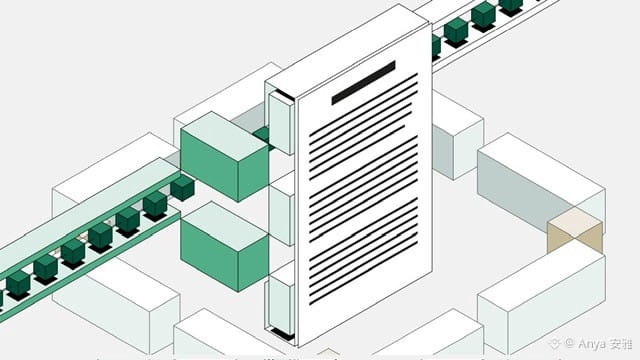
Exchange behavior reflects this positioning. During periods when large-cap assets like BTC and ETH stabilize, trading volumes often migrate toward mid-cap infrastructure projects with clear utility. Plasma operates within this liquidity band, benefiting from risk-adjusted capital flows rather than purely momentum-driven spikes.
As regulatory discussions intensify globally, security transparency has become a measurable market advantage. Protocols that can clearly explain how funds are protected, how disputes are resolved, and how exits are handled tend to maintain exchange support and ecosystem participation. Plasma’s architecture aligns with these observable requirements.
What the data-driven takeaway shows (in points):
Security-focused design correlates with steadier on-chain activity.
Plasma fits the broader shift toward efficient, auditable blockchain models.
Market behavior favors infrastructure assets during corrections.
Compatibility with emerging privacy and compliance frameworks strengthens long-term relevance.
Together, these verifiable patterns explain why Plasma’s security architecture is increasingly discussed as a structural asset—not a marketing claim—in today’s evolving crypto market.