🌍 The global economy is entering 2026 with cautious optimism. After a period of high inflation, aggressive monetary tightening, geopolitical tensions, and uneven growth, signs of stabilization are emerging. Here’s a structured breakdown of the rebound narrative.
1️⃣ Growth Momentum: Stabilizing, Not Surging
Global GDP growth is expected to remain moderate rather than explosive.
Advanced economies are recovering slowly due to prior rate hikes.
Emerging markets are showing relative resilience, supported by demographic growth and industrial expansion.
🇺🇸 United States
Cooling inflation has allowed the to shift toward a more neutral stance.Labor markets remain stable, though job growth is slowing.
Consumer spending continues to anchor growth.
🇪🇺 Europe
Energy price normalization supports recovery.
The remains cautious but less hawkish than in previous years.
Germany’s industrial sector shows gradual improvement.
🇨🇳 China
Policy stimulus and infrastructure investment are aiding recovery.
Property sector fragility still weighs on sentiment.
Export demand is gradually improving with global trade stabilization.
2️⃣ Key Drivers of the Rebound
🔹 Monetary Policy Shift
Central banks globally are transitioning from aggressive tightening to stabilization or gradual easing.
🔹 Supply Chain Normalization
Post-pandemic distortions have largely eased:
Shipping costs have declined Manufacturing delivery times have shortened.
🔹 AI & Technology Investment
Corporate capital expenditure is increasingly focused on:
Artificial intelligence infrastructure
Semiconductor production
Automation & digital transformation
This wave of investment is supporting productivity and equity markets.
3️⃣ Risks to the Recovery
Despite positive signs, several risks remain:
Geopolitical tensions (Ukraine conflict, Middle East instability, U.S.–China trade friction)
High global debt levels
Sticky services inflation
Financial market volatility (e.g., spikes in volatility indexes)
4️⃣ Emerging Markets: A Bright Spot?
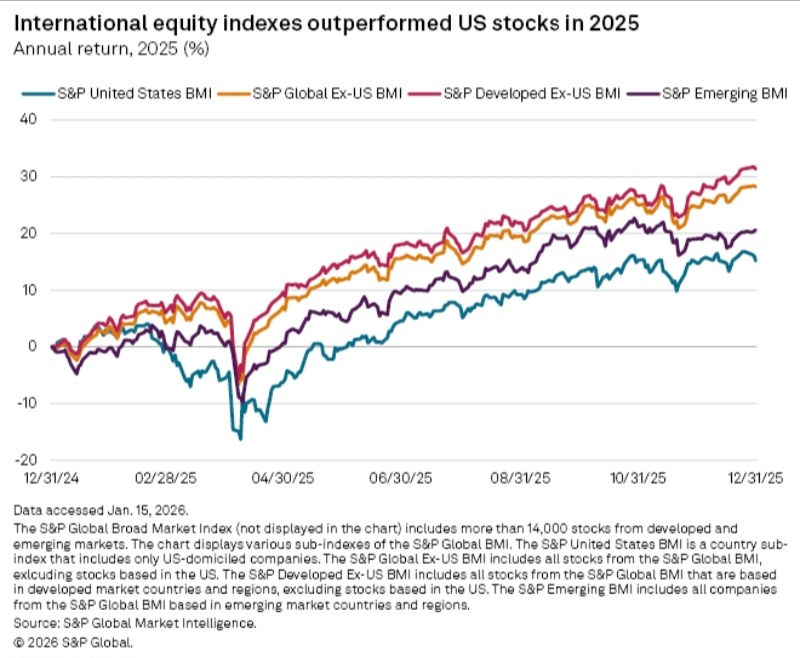
Emerging economies may outperform developed peers due to:
Younger populations
Expanding middle class consumption
Commodity demand recovery
Structural reforms
However, they remain vulnerable to
5️⃣ Investment Implications
✔️ Selective equity exposure (especially tech & industrials)
✔️ Diversified emerging market allocations
✔️ Commodities as inflation hedge
✔️ Bonds becoming attractive again as yields stabilize
🔎 Bottom Line
The 2026 global rebound appears to be measured and uneven rather than dramatic. Growth is returning, inflation is moderating, and financial conditions are stabilizing — but structural challenges and geopolitical risks limit upside momentum.