
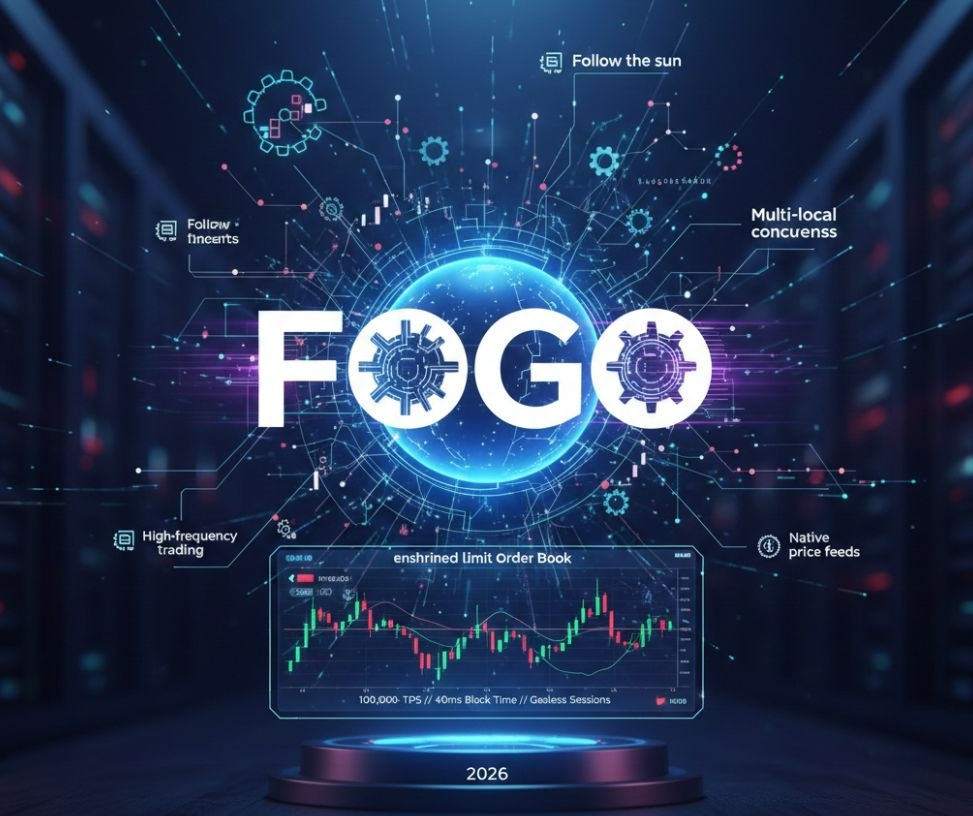
When people first hear about Fogo, they usually focus on speed, performance, or the fact that it runs on the Solana Virtual Machine. Those are technical facts. What matters more is what those facts mean in real life.
Fogo is not a flashy product you download. It is infrastructure. It is closer to a digital highway than a social media app. If the future of money, contracts, gaming assets, and online ownership continues moving onto blockchain networks, then the networks that process transactions quickly and reliably will quietly sit underneath everything. That is where Fogo positions itself.
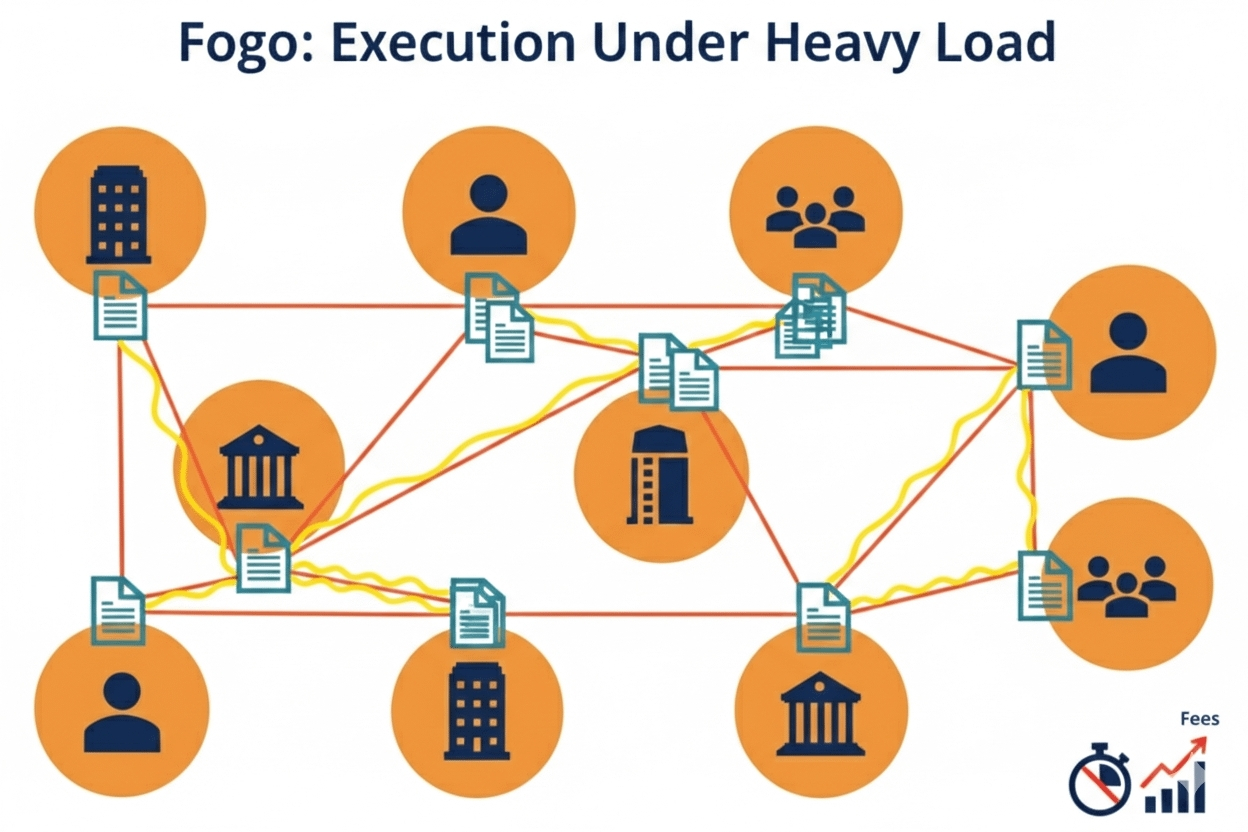
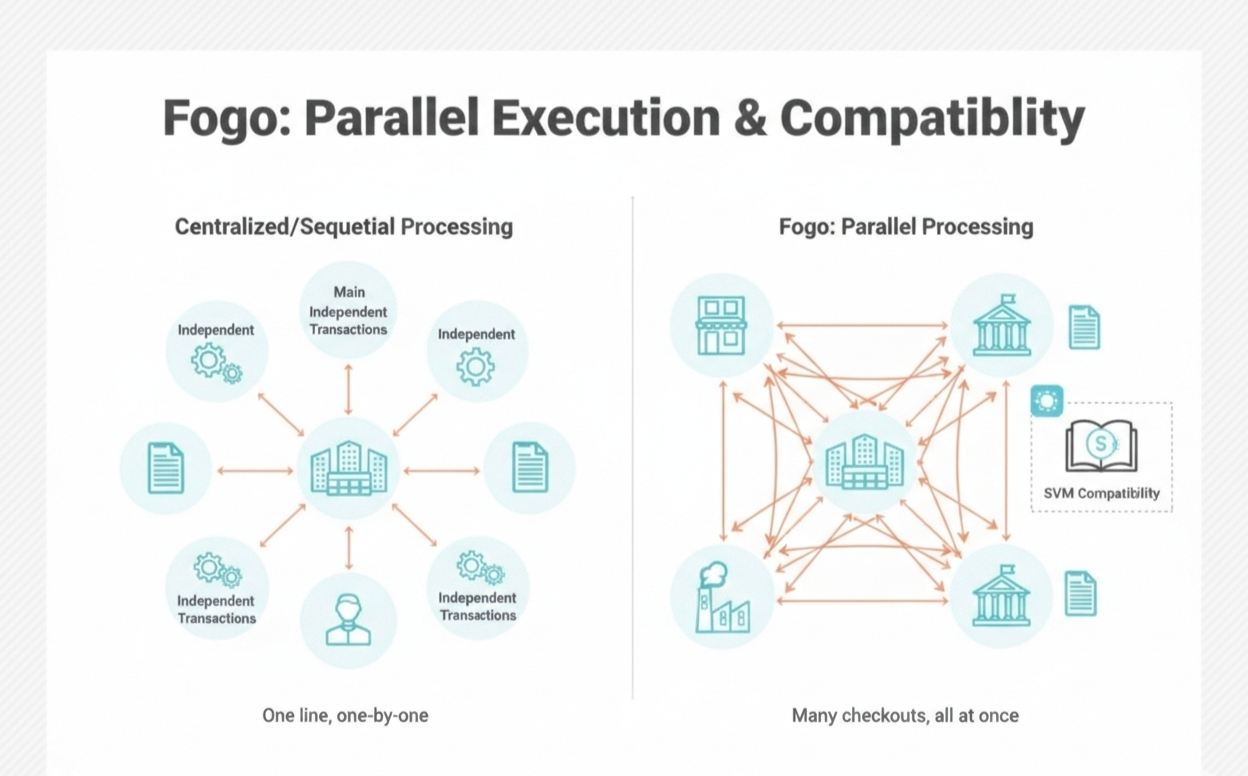
Because it uses the Solana Virtual Machine, developers who are already familiar with that environment can build on Fogo without starting from zero. That reduces friction. And in technology, reduced friction often determines who survives. Builders move where it is easier to experiment. When experimentation increases, applications increase. When applications increase, usage has a chance to follow. But here is the honest part: infrastructure only matters if it is actually used.

In the early stages, networks like Fogo are speculative. Activity can come in waves. Developers test ideas. Traders rotate capital. Volume expands and contracts. Adoption is rarely smooth. It is uneven, sometimes frustratingly slow. That does not automatically mean failure. It means the network is still proving whether it can attract sustained economic activity rather than temporary attention.
If real applications begin to rely on Fogo for consistent, low-cost execution, something important happens. The token stops being just a trade and starts becoming a piece of an economic system. Fees are paid. Validators are compensated. Participation increases. The system begins feeding itself.
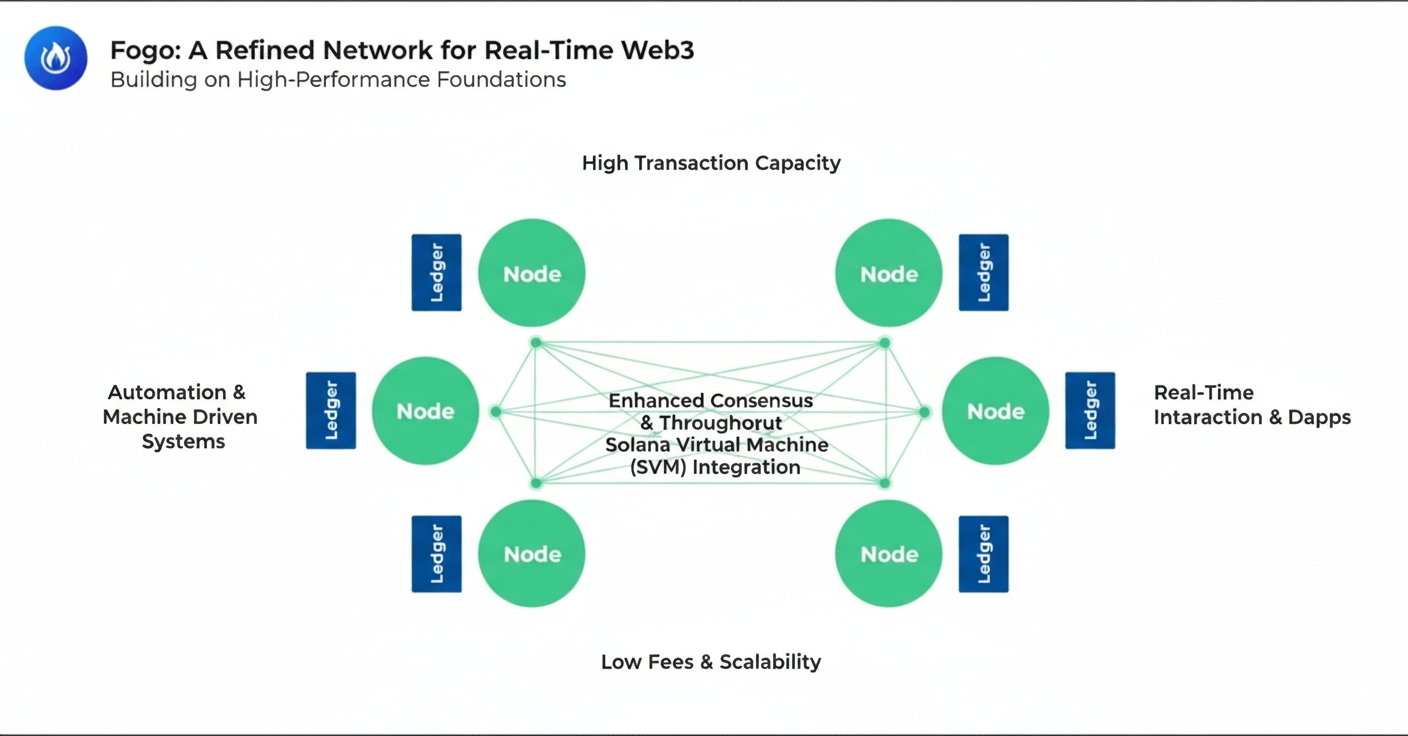
For you, the potential relevance lies in timing and perspective. Large technology shifts rarely look obvious at the beginning. The internet did not become powerful when everyone agreed it would; it became powerful when infrastructure matured quietly in the background. Blockchain infrastructure may follow a similar path. If decentralized finance, digital ownership, and tokenized assets continue expanding, the networks that support them become foundational.
Being early in infrastructure carries risk. Many networks compete. Some will fade. Others will survive and integrate into everyday systems. The difference usually comes down to developer retention, economic sustainability, and user experience — not marketing.
Fogo’s value to you depends on how you approach it. If you are looking for certainty, it cannot offer that. If you are willing to study adoption patterns, monitor ecosystem growth, and accept volatility as part of early-stage infrastructure, then it becomes an informed decision rather than a blind bet.
The real question is not whether Fogo is impressive today. The real question is whether digital economies will demand fast, efficient settlement layers tomorrow — and whether Fogo can remain relevant long enough to become one of them.

Infrastructure rarely looks exciting in the moment. But when it works, everything else builds on top of it.
