Execution fires fast. SVM logic snaps into place. The book updates before your cursor settles. It feels finished in the way modern trading interfaces are designed to feel finished. You start reacting to that flash instead of questioning it.
But that flash isn’t finality.
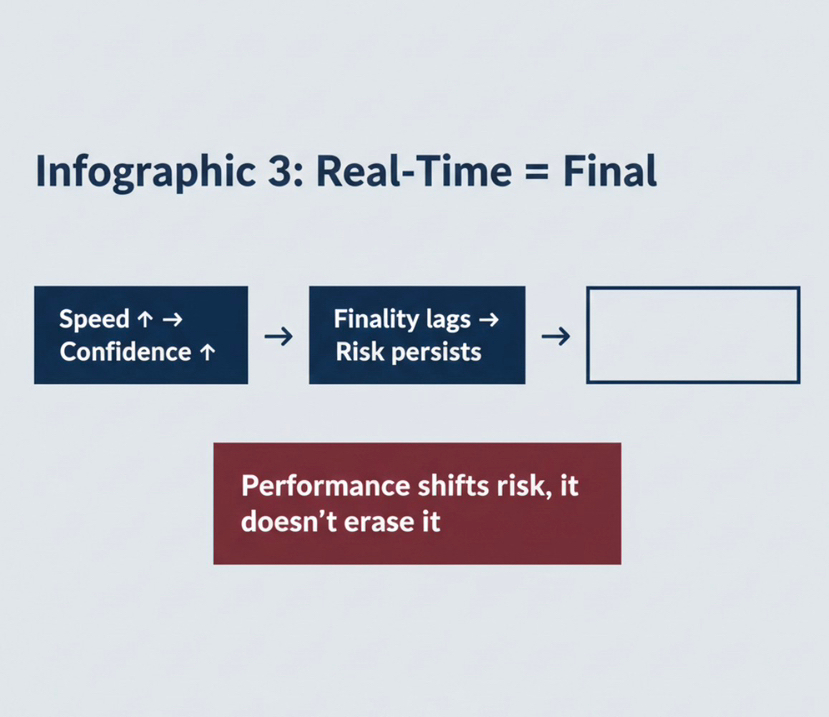
Fogo’s custom Firedancer client keeps block production tight. Latency collapses. Spreads compress inside a narrow window. That part works exactly as advertised. The mistake is assuming that speed and settlement arrive together. They don’t. Finality still trails execution, and that delay is the economic boundary that actually matters.
That’s where slippage hides. Not in block times. Not in validator performance. In the quiet space between “executed” and “can’t be unwound.”
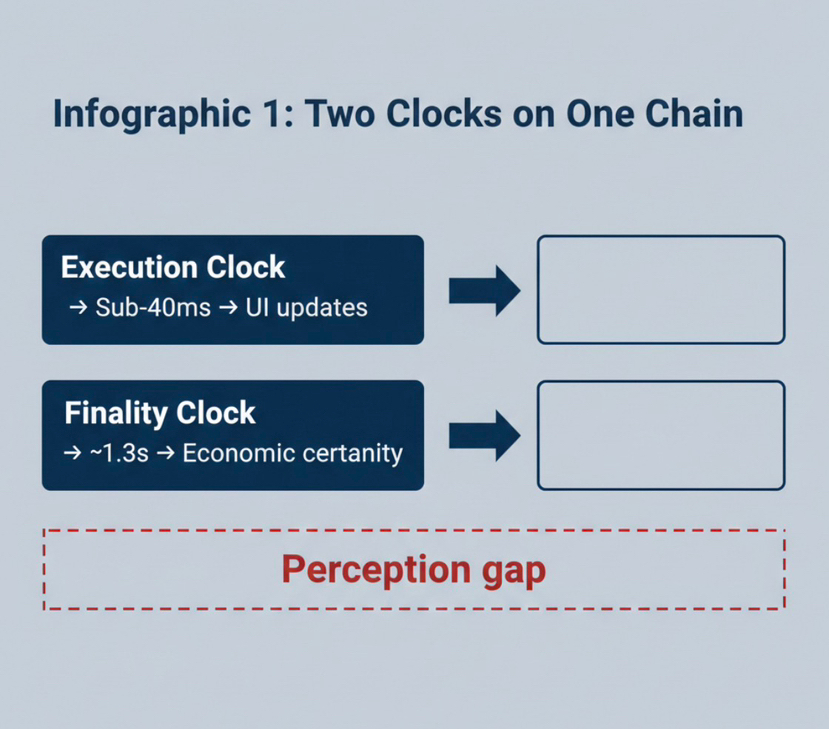
You see a fill. Your risk engine waits. Same chain, different clocks. If your strategy cancels aggressively or hedges late, that gap becomes the trade. Nothing breaks. Nothing reverts. It just isn’t anchored yet.
I’ve watched positions sit in that in-between state no drama, no error just exposed longer than expected. On slower chains, this window is obvious. On fast ones like Fogo, it’s easy to forget it exists.
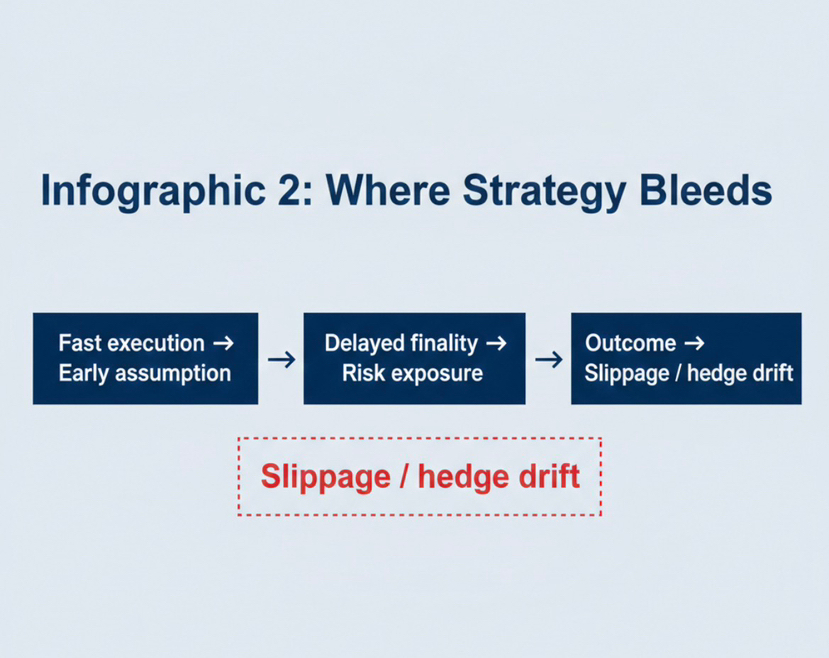
Real-time DeFi isn’t about raw speed. It’s about whether speed and finality stop arguing once you’re already committed.
Sometimes on Fogo, they align perfectly.
Sometimes you’re just watching the gap.