
There is a quiet kind of exhaustion that only true builders understand — the exhaustion that comes from believing in a vision long before the world is ready to applaud it, from assembling fragile systems in the stillness of midnight while markets chase louder distractions, and from holding onto conviction when trends rise and collapse like temporary storms. Vanar Chain feels as though it was born from that exact emotional landscape, shaped not by noise or spectacle but by the persistent hope that something deeper and more durable could be constructed beneath the surface of blockchain’s volatile cycles.
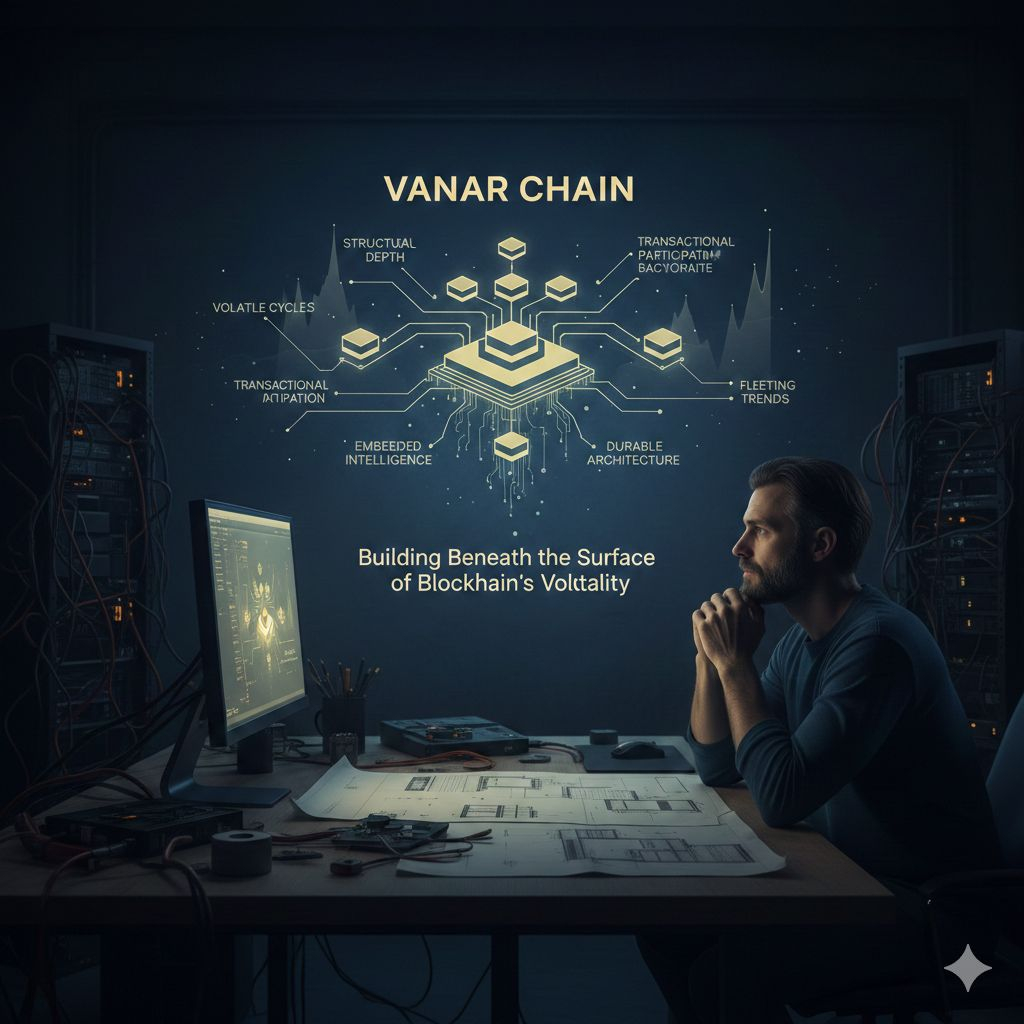
For years, the crypto ecosystem moved to the rhythm of adrenaline, where participation was transactional and fleeting, driven by spikes of excitement that created momentary surges in activity but rarely sustained long-term commitment. Tokens were used, fees were paid, charts were celebrated, and then attention shifted elsewhere, leaving behind ecosystems that often felt hollow once the spotlight dimmed. In contrast, Vanar’s architecture reflects a slower and more deliberate philosophy, one that prioritizes structural depth over immediate applause and embeds intelligence directly into the foundation of the chain rather than layering it on as an afterthought.
At the heart of this structural shift lies the concept of memory infused with meaning, a departure from blockchains that merely record transactions without understanding their context. Through Neutron, the idea of compressing documents, agreements, research, and institutional knowledge into verifiable on-chain Seeds represents more than technical efficiency; it symbolizes a transformation in how digital permanence is perceived. Instead of static files stored in forgotten servers or opaque databases, information becomes semantically compressed, cryptographically anchored, and capable of integration within intelligent workflows, creating a living archive that is both secure and functional rather than frozen and inaccessible.
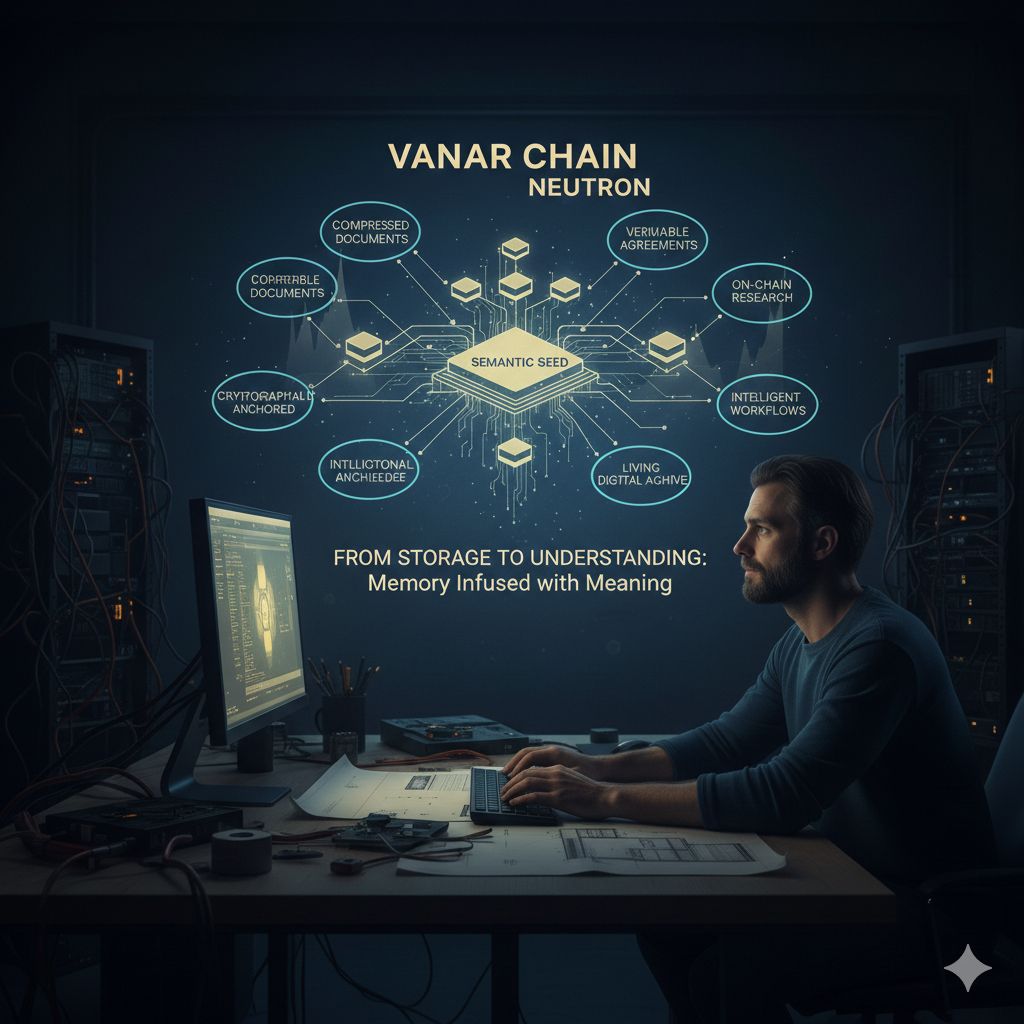
There is something deeply emotional about this transition from storage to understanding, because it addresses one of the internet’s quietest frustrations — the fragmentation of truth across platforms that do not communicate with each other. The possibility that contracts, compliance documents, intellectual property, and enterprise data could exist in a form that is simultaneously permanent and context-aware evokes a sense of relief for institutions burdened by inefficiency and for creators seeking protection in a rapidly shifting digital environment. Neutron does not simply preserve information; it reshapes the relationship between knowledge and infrastructure, allowing memory to serve as an active participant in digital ecosystems.
Complementing this evolution is Kayon, the reasoning layer designed to interpret context and automate decision-making in a manner that integrates directly with blockchain state. Rather than treating automation as a blind executor of code, Kayon introduces the potential for contextual analysis, natural-language interaction, and compliance verification that reduces friction across industries where manual oversight has historically slowed progress. The emotional impact of such a development lies not in its technical novelty alone, but in the relief it offers to founders navigating regulatory complexity, enterprises managing compliance risk, and organizations seeking clarity in increasingly intricate digital processes.
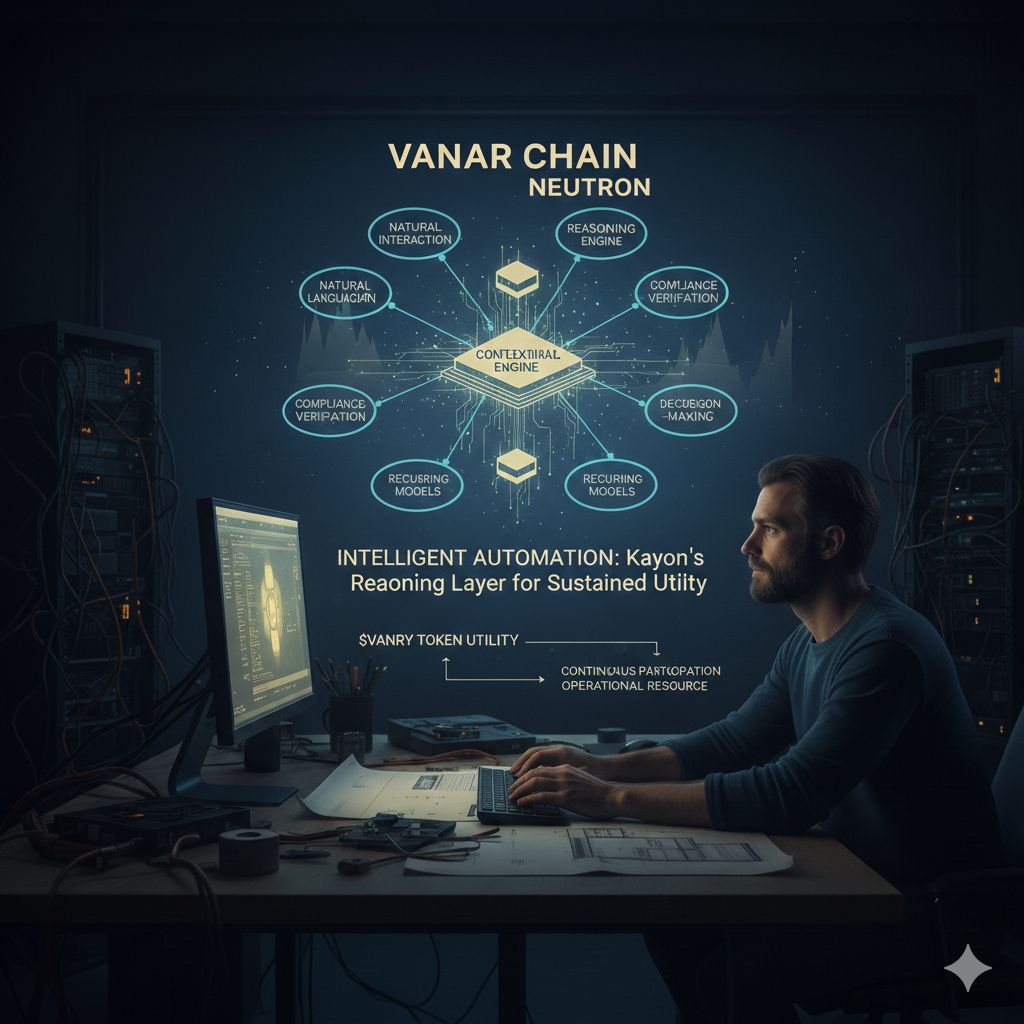
However, the most transformative dimension of Vanar’s 2026 ecosystem is not purely technological; it is economic. Historically, blockchain participation was episodic, with value generation closely tied to one-time transactions and speculative trading cycles. By introducing recurring access models for advanced AI tools such as Neutron and Kayon, payable in $VANRY, the ecosystem redefines token utility as continuous rather than occasional. This structural adjustment shifts the psychological framework of participation from impulsive interaction to sustained membership, where the token becomes an operational resource embedded within daily workflows instead of a vehicle for short-term speculation.
Recurring models inherently alter behavior because they cultivate commitment rather than momentary engagement. When businesses subscribe to intelligent analytics, automation, or content workflows, they integrate those services into their operational core, thereby creating ongoing demand for the native token that is grounded in functionality rather than market sentiment. Such an approach strengthens the stability of the ecosystem by aligning token utility with necessity, gradually reducing reliance on hype-driven activity and fostering a more predictable economic rhythm within the network.
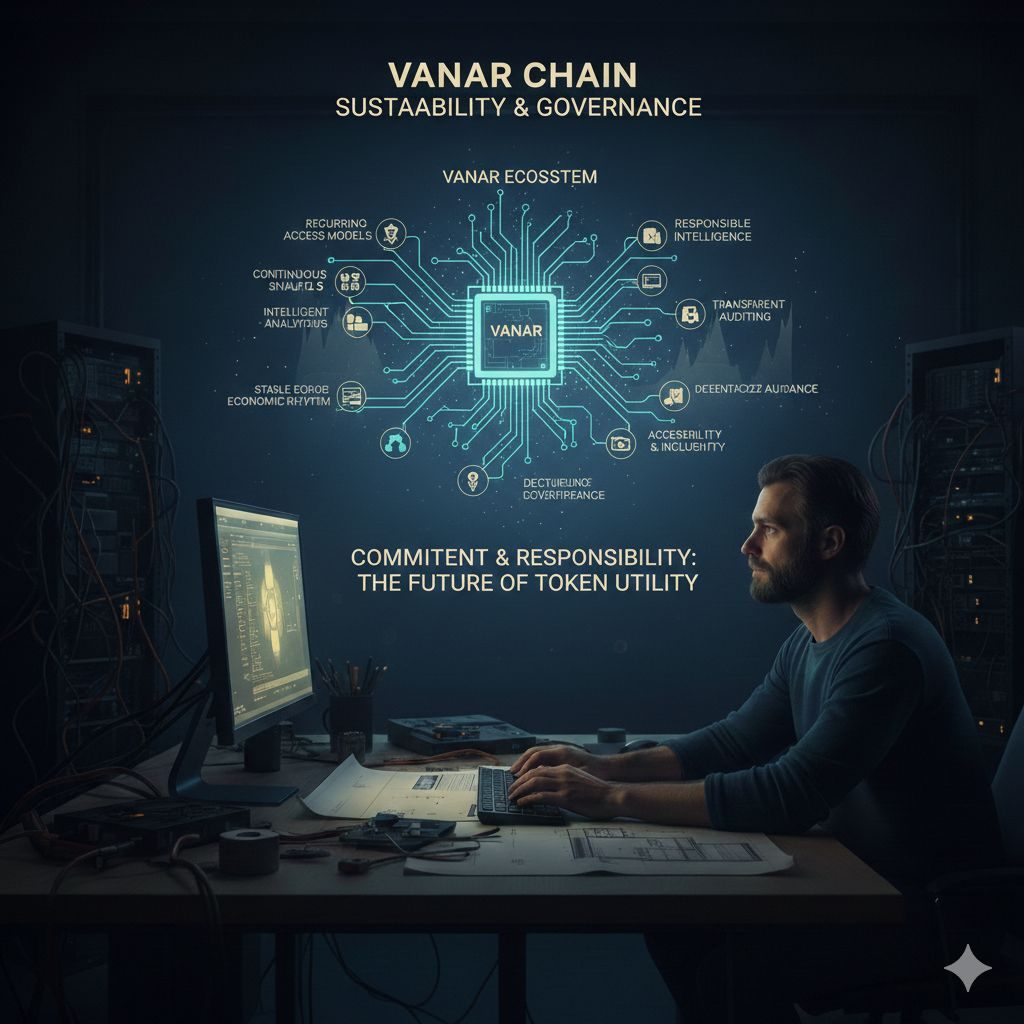
Yet sustainability carries responsibility, especially when intelligence becomes embedded within infrastructure. The introduction of reasoning layers and semantic compression requires careful governance, transparent auditing, and a vigilant community capable of addressing ethical considerations that arise when automation influences decision-making. Questions surrounding accessibility, inclusivity, and equitable participation must remain central to the ecosystem’s evolution, particularly as subscription models expand and recurring token requirements shape user engagement.
If Vanar’s structural drivers mature as envisioned, the ecosystem may not announce its success through explosive headlines or dramatic volatility. Instead, it may demonstrate strength through quiet consistency, as enterprises integrate Neutron into data preservation strategies, as Kayon streamlines compliance processes behind the scenes, and as $VANRY circulates steadily through recurring service access that reflects real-world utility. The transformation would be subtle yet profound, characterized not by spectacle but by resilience.
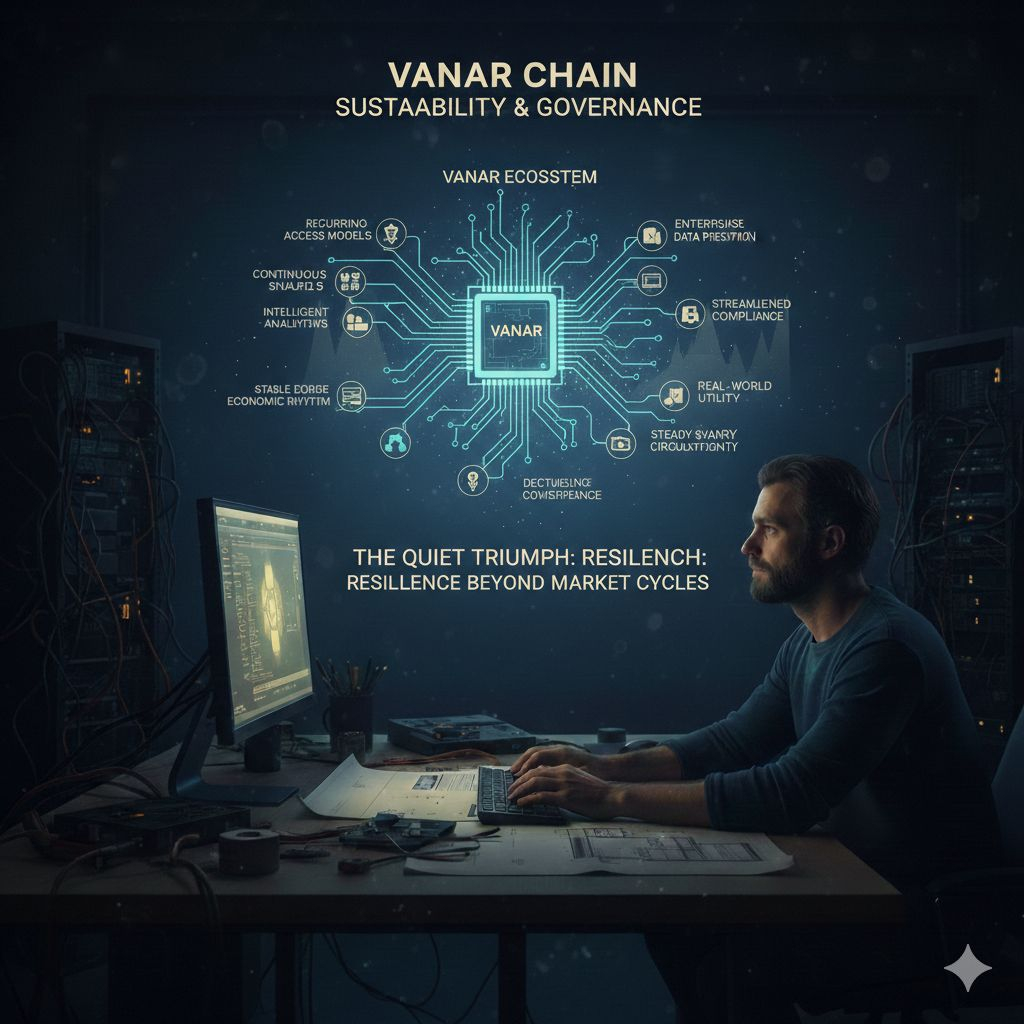
In a digital era defined by fleeting attention and rapid obsolescence, there is a rare beauty in building systems designed for longevity. Vanar’s shift toward intelligent memory, contextual reasoning, and recurring participation suggests a deliberate move away from noise-driven innovation and toward infrastructure capable of enduring beyond market cycles. It embodies the belief that true progress lies not in chasing the loudest narrative, but in constructing something stable enough to support many narratives over time.
Ultimately, what makes this evolution emotionally resonant is not simply the promise of advanced AI tools or token economics, but the underlying aspiration to create a blockchain ecosystem that feels dependable, intelligent, and sustainable. In a world where digital systems often forget, fracture, or fade, the vision of a network that remembers, reasons, and renews itself through continuous engagement feels less like technological ambition and more like an act of long-term care for the communities it intends to serve.
