

One of the biggest hidden reasons why blockchains crash or slow down during massive trading spikes is not actually the transactions themselves, but the data requests. On most networks, whenever a user opens their wallet or a decentralized application queries a price, that request hits the same validators that are trying to process the actual block. When a highly anticipated token launches and thousands of people refresh their screens, the validators get completely overwhelmed with read requests and the entire chain lags out.
I was reading through the technical architecture for Fogo and they solved this bottleneck by completely separating the data reading from the block building. They built a dedicated layer called FluxRPC that specifically handles all the incoming traffic from wallets and applications so it never touches the core validators.
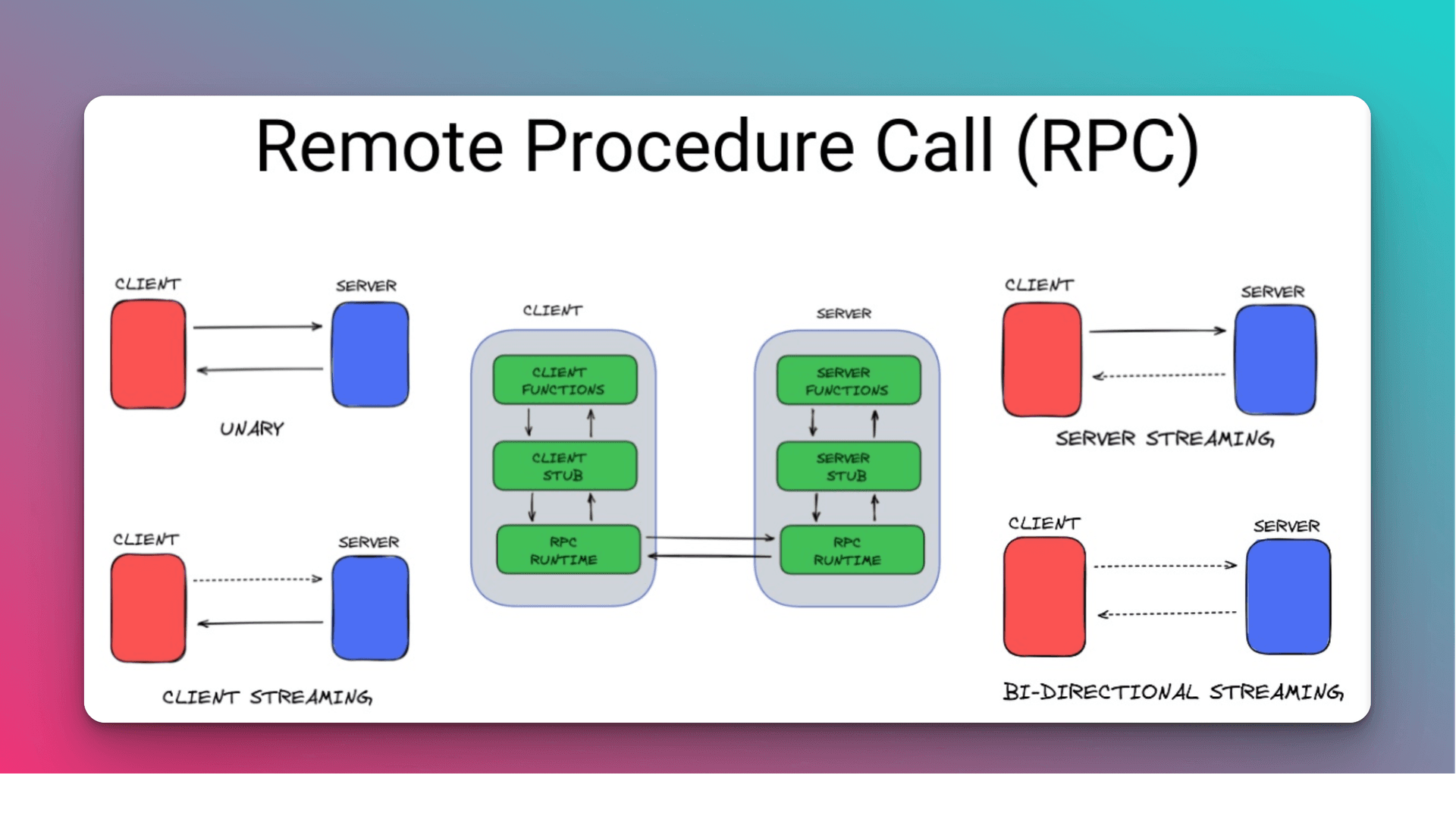
To make it even faster, they use a system called Lantern which actively caches the most popular data requests right at the edge of the network. So if ten thousand people are all checking the price of an asset at the exact same second, the network just hands them the cached answer instantly without having to compute anything new.
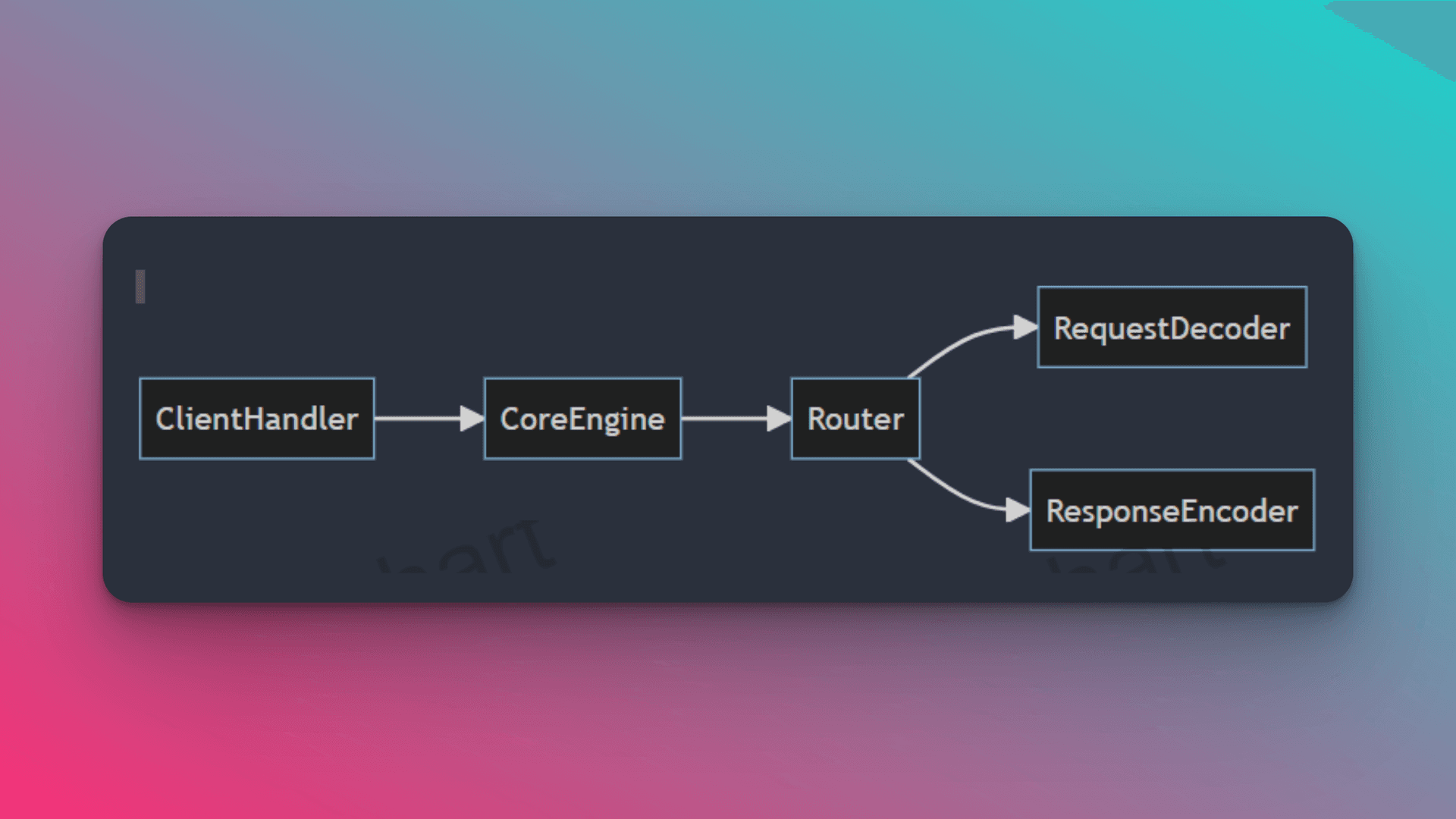
By shielding the validators from all this random spam traffic, the network guarantees that actual trades and liquidations go through smoothly no matter how congested the front-end applications get. This is the kind of quiet backend infrastructure that separates a retail chain from a professional trading environment.
