
When I first heard about Vanar linking up myNeutron with Fetch.ai’s ASI:One, my initial thought was pretty typical: Great, another AI crypto partnership announcement.It sounded like just more hype around agents teaming up across blockchains. But after digging in, the real gem here isn’t the flashy models or the chain itself it’s memory. Who controls it, how it’s structured, and most importantly whether it can actually travel between different AI tools and agents without getting lost in translation.
Multi agent setups often flop in the most mundane way. It’s not that they can’t crunch numbers or run tasks; they fall apart because they can’t keep things consistent. One agent remembers a key detail, another never hears about it. A decision made yesterday vanishes by tomorrow. Work gets repeated endlessly because there’s no reliable way to reuse what’s already been figured out.
Humans handle this with notes, shared docs, tickets, and folders. AI agents need their own version of that but the current solutions are clunky. Every app hoards its own “context” in a private bubble. It kinda works until you need to switch tools or bring in a team. Then it feels like a bunch of isolated brains trying to sync up.
Here’s where myNeutron shines in a way that’s easy to overlook. It’s not positioning itself as some shiny new AI gimmick. Instead, it’s built to take raw info chats, files, notes and turn it into compact, reusable Seeds. These are like bite sized knowledge packets: searchable, verifiable, and designed to be pulled up later with clear origins.
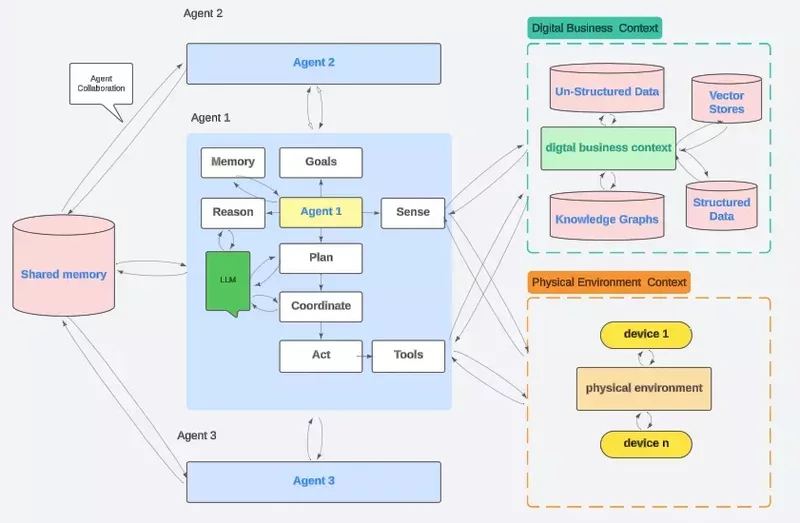
Fetch.ai’s side brings the coordination power. Agentverse acts like a marketplace for discovering and using agents as real services. ASI:One focuses on orchestrating them directing tasks, tools, and behaviors not just spitting out text. That’s huge because no orchestrator can shine if every job resets to zero context. But if it can grab a stable Seed and pass it to the right agent? Suddenly, it’s less like juggling solo helpers and more like a coordinated team with shared understanding.
The underrated magic is continuity. True collaboration isn’t just agents chatting back and forth. It’s agreeing on facts, assumptions, changes, and open questions. It’s memory that survives across sessions, tools, and workers.
If Seeds really become the portable artifacts that get passed around, the whole game changes. Agents stop shoving long chat logs or fuzzy summaries at each other. Instead, they hand over named, traceable items: a decision summary, a research nugget, a plan outline, a constraint, or a verified source. Over time, your work builds into a clear trail of these artifacts you can trace what was made, used, or updated.
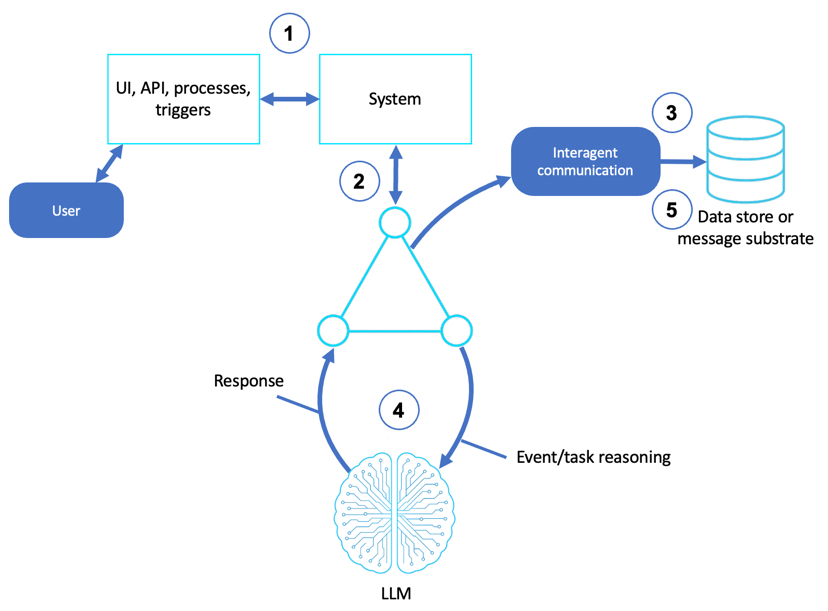
This illustrates multi agent collaboration with shared memory at the core, preventing the disconnected brains issue.
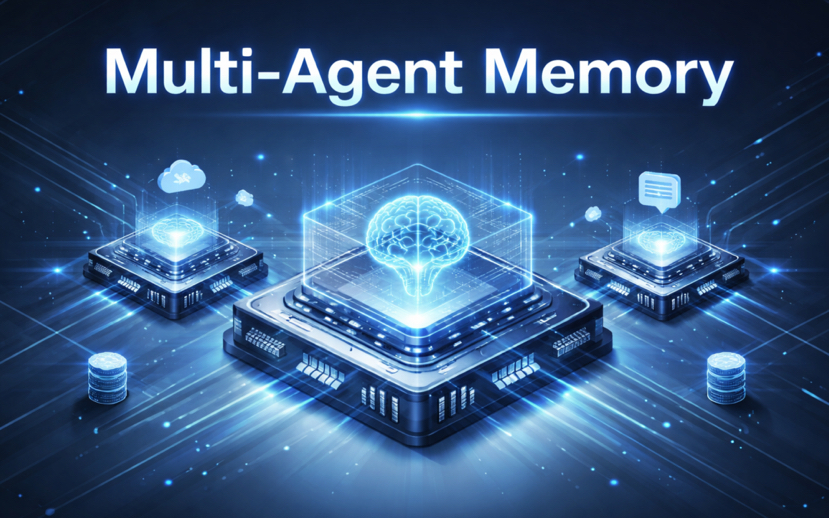
A visual take on multi-agent memory systems showing how portable, shared units could scale across agents.
The integration was announced around November 10, 2025, and from what I can see, nothing major has shifted the core story since then. The big test is what comes next: Can a user feed material into myNeutron, watch it become clean Seeds, have ASI:One pull the right one, delegate to specialized agents, and get back new Seeds that feel like real progress not just one-off replies?
If that cycle clicks, memory actually gets better over time instead of fading away.
Of course, there are pitfalls. Too many Seeds could clutter everything . A nicely formatted Seed isn’t automatically correct provenance tracks origin, not truth, so errors could spread fast if agents trust without double checking. And privacy is tricky:
myNeutron handles personal and work stuff, but real collaboration means controlled sharing. Too open = risk; too locked = back to silos.
Ultimately, this Vanar Fetch.ai tie-up isn’t just another box-ticking partnership. It’s a serious stab at one of the quiet killers of agent usefulness: turning fleeting context into portable, ownable artifacts that agents can reference, audit, and build on without reinventing the wheel every time.
If that layer matures, decentralized AI stops being about agents gossiping across networks and starts being about them actually collaborating on lasting, shared knowledge.
