If you’re building a trading app, the real question is simple: will fills and cancellations behave the same under stress? My answer: Fogo’s SVM-first design could help, but the failure mode shifts from “chain randomness” to “operator and rule-set risk.”
Fogo is trying to make on-chain trading feel operationally boring by leaning on SVM execution, but the hard part is proving that “boring” survives congestion, upgrades, and governance incentives.
Fogo positions itself as a high-performance L1 that runs the Solana Virtual Machine (SVM), with messaging that’s less “general-purpose smart contracts” and more “trade without compromise.” In practice, that implies a bias toward the things exchanges are judged on: consistent execution behavior, predictable throughput under load, and fewer edge cases when many users hit the system at once.The SVM angle matters because trading apps don’t just need speed; they need repeatability. When you submit an order, you care about whether the same inputs produce the same outcomes (or at least outcomes that are explainable) across different network conditions. A chain can be fast on an empty day and still feel unreliable when the mempool gets weird, blocks get packed, or priority rules become a second market. Fogo’s bet is that “exchange-like” reliability is something you can design for at the base layer then let apps inherit it rather than reinvent it.
Fogo’s own framing puts trading first (“Trade without compromise”) rather than leading with a broad, generic L1 pitch so the product thesis is explicitly about market infrastructure, not just “more TPS.”
The docs/website emphasize SVM usage, which signals an execution model chosen for high-throughput programs and a developer environment that many trading teams already recognize.
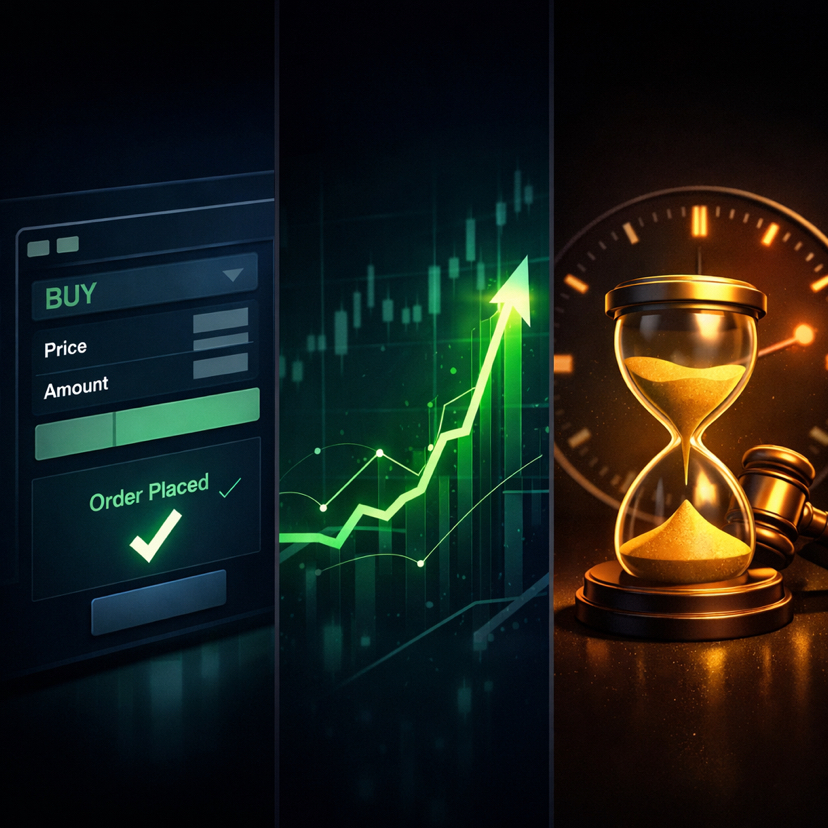
The positioning implies operational priorities (performance, consistency, production readiness) as core values useful, but also a promise that becomes easy to test and easy to fail in public.
“Exchange-reliable” systems live and die by ordering, prioritization, and upgrade discipline. If the chain’s effective rules for inclusion/priority aren’t legible to builders, you can accidentally recreate the same “dark corners” traders complain about—just on-chain. A fast VM doesn’t automatically guarantee fair or stable execution when blocks are contested.
Centralization-by-operations risk: If reliability depends on tight operational control (careful releases, managed infra, curated validators/operators, strict upgrade cadence), you can get a system that works great—until users ask who ultimately has the power to change the rules. That’s not a moral critique; it’s a practical dependency mapping exercise.
Timer risk (governance/incentives/ops): Early networks often feel smooth before incentives, governance power, or fee/priority markets fully “turn on.” The timer risk is the moment when real economic pressure arrives—MEV strategies intensify, validators/operators optimize for revenue, or governance decisions start affecting transaction policy. If Fogo’s reliability story depends on a particular operational posture, the long-run question is whether that posture survives those incentives.
A dApp PM launches an on-chain perp venue and markets “no surprise fills.”The first volatility spike arrives, liquidations flood the network, and users submit cancels at the same time. The venue doesn’t need a miracle it needs predictable inclusion behavior so “cancel” isn’t a coin flip when it matters most.
Teams building trading-heavy apps (perps, RFQ, vaults, intent routers) that care more about operational consistency than philosophical purity on day one. If Fogo gives them a stable execution surface and reduces the number of weird edge cases under load, they benefit immediately because support costs and reputational damage are what kill trading products, not whitepaper elegance.Power users (fewer “I got unlucky” moments), market makers (more consistent execution), and builders (less time building bandaids for chain behavior). The chain itself benefits if it becomes the default “serious trading” venue but that also concentrates scrutiny.
Unclear transaction/priority rules under stress, upgrades that change execution behavior in ways teams can’t anticipate, or incentives that gradually push the system toward “fast, but adversarial” conditions. If the lived experience becomes “it’s quick unless it’s important,” traders won’t care that it’s an L1—they’ll leave.
If you were deploying a trading app on Fogo, would you optimize first for (A) execution predictability under congestion or (B) faster decentralization of operators and governance?