
I do not usually write about a network unless I spend time actually looking into how it works. I search through docs. I check architecture notes. I compare it with other systems. My personal experience has taught me that most Layer 1 conversations revolve around speed claims but rarely explain how a network behaves when real demand shows up. When I checked Fogo I noticed something different. They are building around the Solana Virtual Machine and focusing heavily on execution design. That caught my attention because execution is where congestion usually begins. I say to this approach that starting from the execution layer shows a more serious mindset than simply chasing headline numbers.
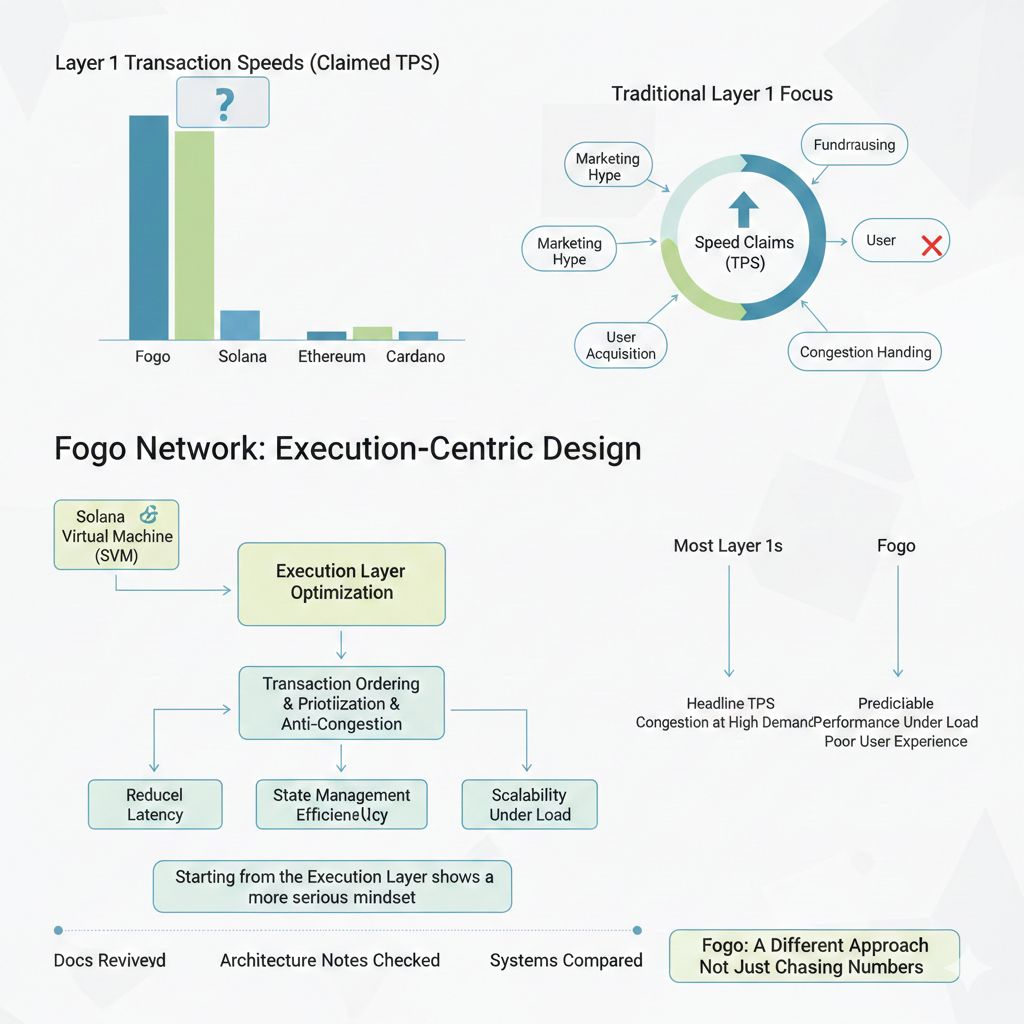
At its base the system allows transactions that do not conflict to run at the same time. That might sound simple but it changes how a network feels under load. If multiple actions can happen in parallel instead of waiting in a single queue the experience becomes smoother and more predictable. I search for projects that treat scalability as a structural issue rather than a marketing line. My personal experience tells me that reliability comes from how a system handles pressure not how fast it looks in ideal conditions. They are building around consistency and that stands out to me.
I checked how this design might play out in real usage. When networks grow they do not grow evenly. Activity spikes. Demand shifts. Developers need environments that stay stable when traffic increases. If confirmation times remain predictable and the system does not stall under stress it becomes easier to build real applications. I say to this that usability often depends on what happens during busy moments. They seem to be thinking about those moments early. We are seeing a structure that tries to avoid the usual cycle of congestion and patchwork fixes.
The architectural direction feels deliberate. Parallel processing. Deterministic runtime behavior. Efficient resource handling. These choices suggest that they are planning for long term stability rather than short term excitement. I search for signals that show whether a network is built to last. My personal experience analyzing infrastructure shows that strong execution layers tend to support healthier ecosystems over time. Developers stay when performance stays reliable. Users stay when interactions feel smooth. They appear to be building with that understanding in mind.
I checked what real progress might look like here. I do not focus only on price or attention. I look at consistent performance. I look at developer activity. I look at whether applications can run without constant interruption. These are the metrics that reveal durability. I say to this that steady growth often matters more than sudden bursts. My personal experience has shown that networks built on strong execution foundations tend to hold their ground longer.
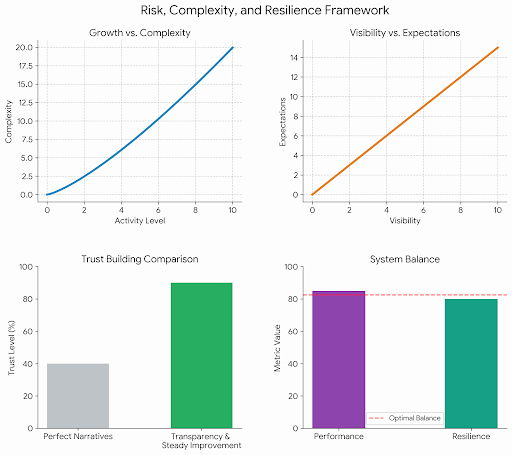
There are always risks. I search for them because ignoring them never helps. As activity grows complexity grows. Optimization must keep pace. Security must stay strong. Expectations rise as visibility increases. They will need to maintain balance between performance and resilience. I say to this that early awareness of risk is a strength. Projects that acknowledge challenges adapt faster. My personal experience tells me that transparency and steady improvement build more trust than perfect narratives.
If an exchange becomes part of the conversation Binance usually acts as a bridge between infrastructure and wider audiences. I checked how visibility can influence adoption. Exposure helps but long term value still depends on reliability. They may gain attention through access but retention will depend on execution quality.
After searching through information and checking how the system is structured I come away with a measured view. I say to this that the project feels grounded in engineering rather than pure narrative. My personal experience analyzing networks suggests that execution focused architectures tend to perform better over time if maintained carefully. The data that matters will not be short term excitement but sustained throughput consistency developer retention and application stability.
My thoughtful takeaway is simple. Systems that prioritize execution efficiency and parallel processing historically show stronger resilience under real demand. If Fogo continues focusing on measurable performance reliability and ecosystem stability rather than hype cycles it has the structural ingredients needed for long term relevance.