

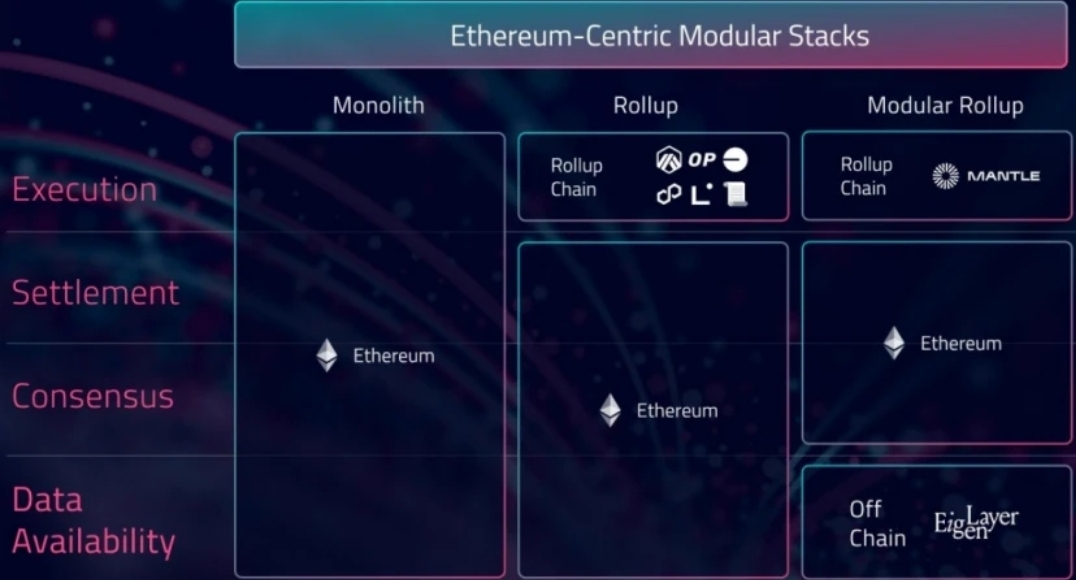
 “the SVM version of the Ethereum modular thesis.”
My immediate reaction wasn’t excitement. It was more like… huh. That’s a big framing for something I hadn’t personally felt yet.
 I’ve been around long enough to be suspicious of theses that travel too cleanly across ecosystems. Ethereum learned modularity the hard way — through congestion, fees, user pain, and years of social coordination scars. Solana came up almost opposite. Tight stack. Monolithic by design. “Just make the chain fast enough and most problems disappear.”
So when I first heard people talking about separating execution, consensus, and data inside an SVM context, it didn’t land. It felt like forcing an Ethereum narrative onto a different culture.
At least at first.
What caught my attention wasn’t a whitepaper or a thread. It was watching how people talked about why @Fogo Official exists. Not the features — the motivation. The quiet frustration with how hard it is to evolve a single, tightly coupled L1 once real usage shows up.
I’ve used Solana a lot. Still do. Anyone who has knows the feeling: when it’s good, it’s really good. When it breaks, it’s… not subtle. Everything is everything. Execution issues bleed into consensus. Data pressure shows up as user-facing weirdness. You don’t isolate problems; you absorb them.
That tradeoff made sense early. It probably still does for a lot of use cases. But after sitting with it for a while, I started to see where $FOGO is coming from.
Not as a “Solana killer” or whatever people say when they run out of vocabulary. More like a pressure valve. A place to explore what happens when you keep the SVM — the part people actually like using — but stop pretending the entire stack has to move in lockstep forever.
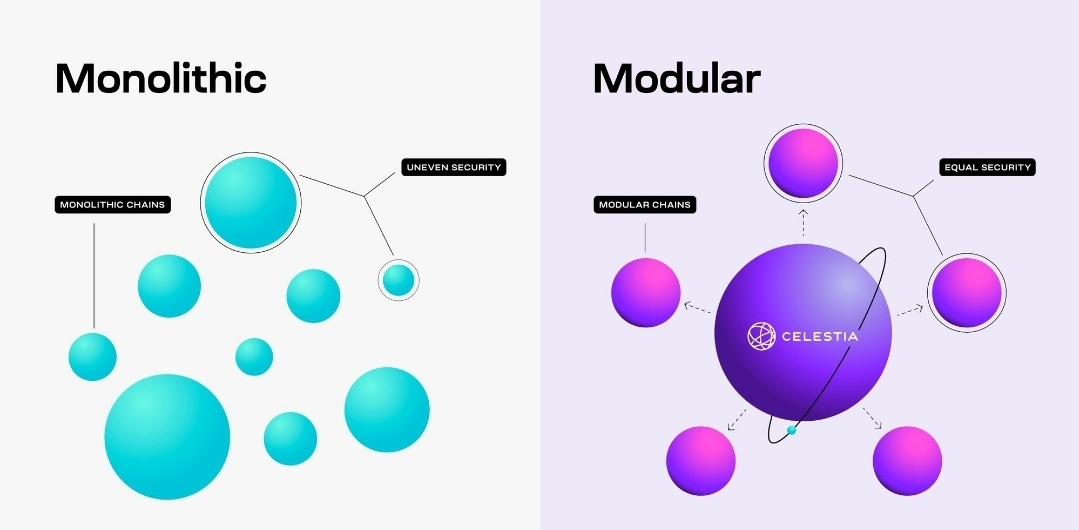 At first, I didn’t really get why this separation mattered now. Modular always sounds like a future problem. Something you worry about after success, not before. But the more I watched teams struggle to scale throughput, uptime, and flexibility at the same time, the more it clicked.
Execution wants to move fast. Consensus wants to be boring. Data wants to be cheap, available, and out of the way.
We’ve all said this in different words. Ethereum just made it painfully explicit over time.
What Fogo seems to be doing — and I’m choosing my words carefully here — is not trying to redesign everything. It’s more like admitting that SVM chains are growing up, and grown systems don’t get to stay monolithic just because it felt elegant at the beginning.
One thing I kept noticing was how little they leaned on “revolutionary” language. No grand claims about infinite scalability. No pretending this magically solves coordination or liquidity. The framing stayed closer to: this is a different way to compose an SVM-based system so each part can evolve without dragging the rest down.
That restraint is what made me pay attention.
Because I’ve seen what happens when teams oversell architecture. Users don’t care. They care when things feel smoother, cheaper, less fragile. Architecture only matters insofar as it changes that feeling.
And that’s where my confidence is… mixed.
On paper, separating execution from consensus in an SVM world makes a lot of sense. You get faster iteration on execution environments. You reduce blast radius when something goes wrong. You can experiment without asking the entire chain to agree at once.
But on-chain, culture matters as much as code.
Ethereum users are used to layers. L2s, bridges, data layers, settlement layers — the mental model is already fractured, so modularity feels natural. Solana users are used to one URL, one experience, one global state. They don’t want to think about where execution lives versus where data is published.
Fogo sits in an awkward middle ground. It’s modular under the hood, but it still wants to feel like a single, coherent chain to the end user. That’s a hard line to walk. Harder than most people admit.
After sitting with this for a while, what started to click was that Fogo isn’t really targeting users first. It’s targeting builders who already feel constrained. Teams that like the SVM programming model but don’t love the idea that their fate is permanently tied to a single consensus pipeline.
That’s a narrower audience than hype cycles prefer. But it’s also how a lot of durable infra starts.
Still, one thing that bugs me — and I don’t think this gets talked about enough — is coordination risk. Modular systems don’t remove trust. They redistribute it. Someone still decides what plugs into what. Someone still has to manage upgrades across layers. Someone still becomes the implicit glue.
Ethereum spent years figuring out that social layer. Fogo hasn’t yet. That’s not a criticism; it’s just reality. These things don’t appear because the architecture is sound. They appear because enough people have something to lose.
Another unresolved feeling I have is around differentiation. SVM is a strong identity today. But if modular SVMs become a category, the question shifts quickly from “why modular?” to “why this modular stack?” Performance advantages compress. Narratives flatten. And suddenly ecosystem gravity matters more than design purity.
Right now, Fogo feels early enough that this isn’t urgent. But I’ve watched too many technically correct systems struggle once alternatives show up with better distribution, not better code.
What I do feel strongly about is that Fogo isn’t chasing retail imagination. It’s not trying to win Twitter every week. It feels more like something being shaped by people who’ve already been burned by tightly coupled systems and don’t want to repeat that experience.
That doesn’t guarantee success. It doesn’t even guarantee adoption. But it does suggest intentionality.
And intentionality is rare enough in this space that it’s worth noticing.
I also don’t think #Fogo is a verdict on Solana’s approach. If anything, it feels like a complement. A parallel experiment. One path stays monolithic and keeps pushing raw performance. Another explores separation and flexibility. Over time, reality will pick where each makes sense.
Maybe both survive. Maybe neither looks like we expect.
What I’m still unsure about is timing. Modular architectures tend to shine after pain. I’m not convinced the SVM ecosystem has felt enough collective pain yet to fully appreciate what Fogo is offering. That might change quickly. Or it might take another cycle of outages, bottlenecks, or governance friction.
Until then, Fogo feels like something you watch, not something you rush into forming a hard opinion about.
I’m not sold. I’m not skeptical either.
I’m just paying attention.
And in crypto, that’s usually how real conviction starts. Or how it quietly fades. Hard to tell which, yet.