
In maturing blockchain markets, the real differentiation rarely comes from surface level metrics. It comes from infrastructure design choices that most users never see directly but feel every time they interact with the network.
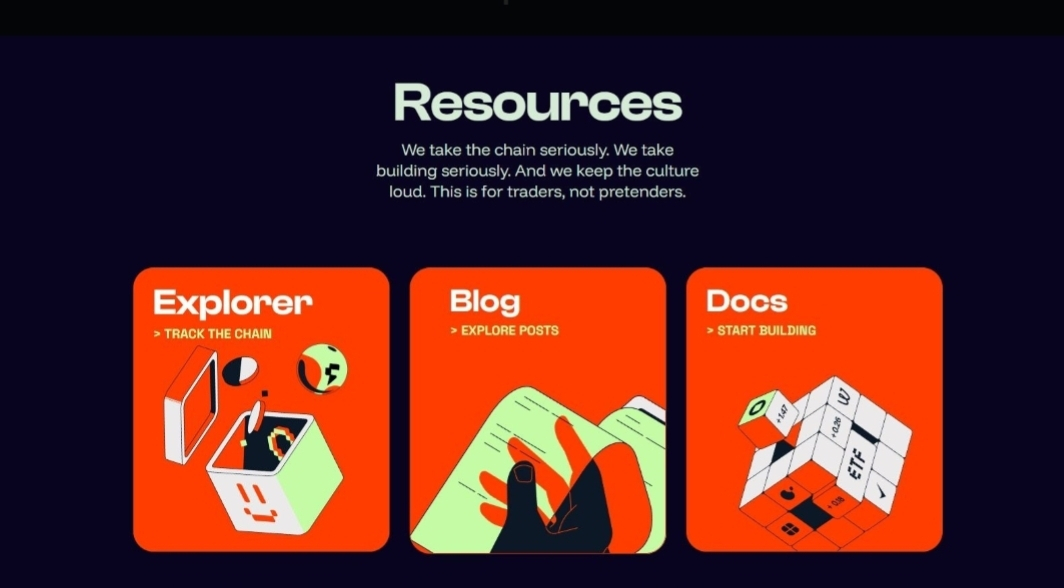
Fogo approaches this from a resource first perspective. Instead of presenting performance as a slogan, the ecosystem exposes the core components that power it. From an on chain explorer to technical documentation and structured development resources, the foundation signals that building and trading are treated as primary priorities rather than secondary narratives.
At the protocol level, @FOGO Officialintroduces a custom Firedancer based client optimized for stability and execution speed. That architectural focus matters because validator efficiency and network consistency often determine whether a chain can maintain predictable confirmation times during volatility.
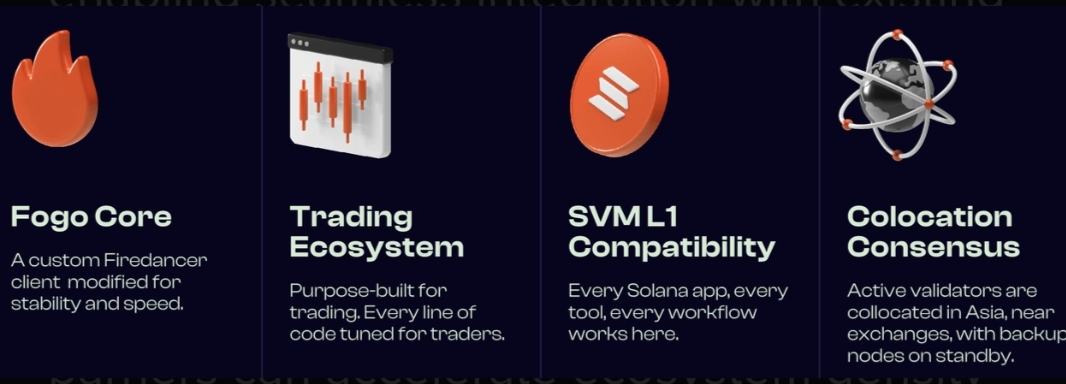
The trading ecosystem emphasis is also deliberate. Infrastructure tuned specifically for traders changes how latency, throughput, and transaction ordering are handled under pressure. When market activity spikes, milliseconds become material.
Compatibility with the Solana Virtual Machine further extends this positioning. By enabling seamless integration with existing Solana tools and workflows, $FOGO operates within a framework that reduces friction for developers while preserving performance objectives. Lower migration barriers can accelerate ecosystem density without reinventing standards.
Colocation based consensus design adds another structural layer. #Fogo Positioning validators strategically near exchange infrastructure is not a marketing statement. It is an operational decision aimed at minimizing latency and optimizing execution flow.