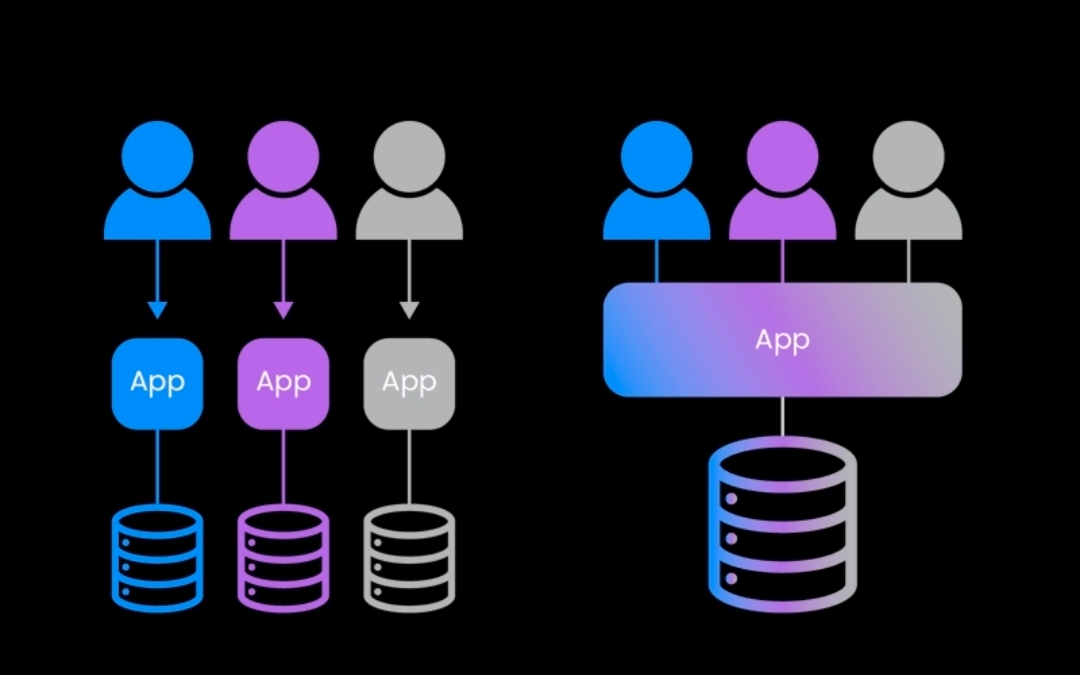
I didn’t think much about client diversity until I started paying attention to where execution quality actually degrades. On paper, having multiple clients sounds safer. In practice, it introduces a quiet constraint: the network can only move as fast as its weakest implementation. That tradeoff doesn’t show up in marketing dashboards, but it shows up in behavior.
This is the lens I’m using to look at FOGO right now.
By committing to a single, high-performance Firedancer-based client, FOGO is making a pretty explicit choice. It’s saying that execution quality matters more than theoretical flexibility at the client layer. That’s uncomfortable for some people, especially if you treat diversity as a moral good rather than an engineering decision. I don’t see it that way. I see it as an attempt to remove a bottleneck most chains quietly accept.
When client performance varies, coordination becomes uneven. Blocks propagate at different speeds. Validators fall slightly out of sync. The result isn’t always failure — it’s randomness. And randomness is where trading environments start to feel hostile. You don’t know if a fill was bad because you were late, or because the system itself hesitated.
What makes this interesting is how it interacts with everything else FOGO is trying to do. Low-latency consensus, validator colocation, and execution predictability all depend on one assumption: that the execution engine behaves consistently across participants. If one validator lags because it’s running a slower client, everyone else pays for it. Not equally — but enough to widen spreads and reduce confidence.
There are real tradeoffs here. Client monoculture increases dependency on one implementation. Bugs matter more. Coordination failures are sharper. This isn’t a free lunch. But neither is pretending that diversity doesn’t cap performance. In execution-heavy environments, safety doesn’t come from optionality alone. It comes from removing variance where variance causes harm.
What I’m watching with FOGO isn’t whether this approach looks good in isolation. It’s whether execution remains boring as activity scales. Boring execution is underrated. It means intent arrives when you expect it to. It means the system stops inserting itself into every decision.
If standardizing the client actually tightens coordination, that’s not just a technical win — it’s a behavioral one. And if it doesn’t, the weakness will show up quickly, because there’s nowhere to hide behind averages.
I’m not convinced yet. But I am paying attention. Because the moment execution stops feeling random is usually the moment a venue starts earning trust — quietly, and without hype.