
Generally, Ethereum Layer 2s (L2s) like Arbitrum or Optimism try to solve scaling issues by adding another software layer on top of Ethereum. But Firedancer (a major force behind Fogo) changes the game entirely.
Why Is Firedancer Different?
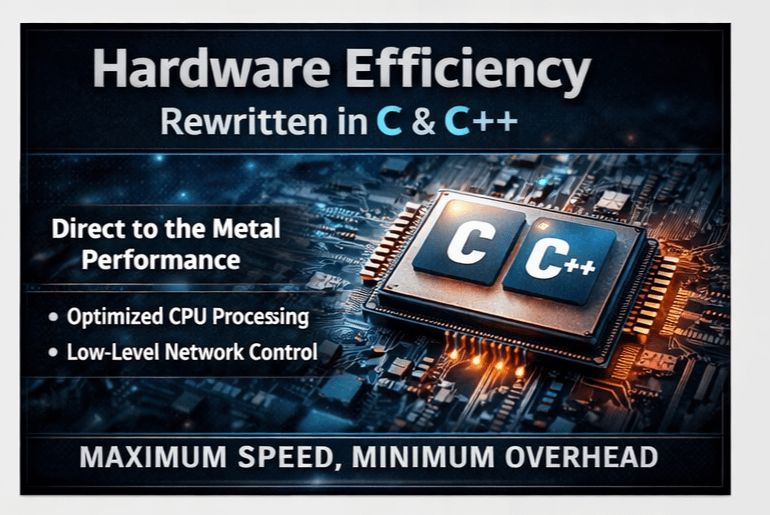
Hardware Efficiency:
Most blockchain clients are written in high-level programming languages that sit far from the computer’s hardware. Firedancer is rewritten in C and C++, which communicate directly with the CPU and network card. This means almost no unnecessary overhead when processing data — every millisecond is optimized.
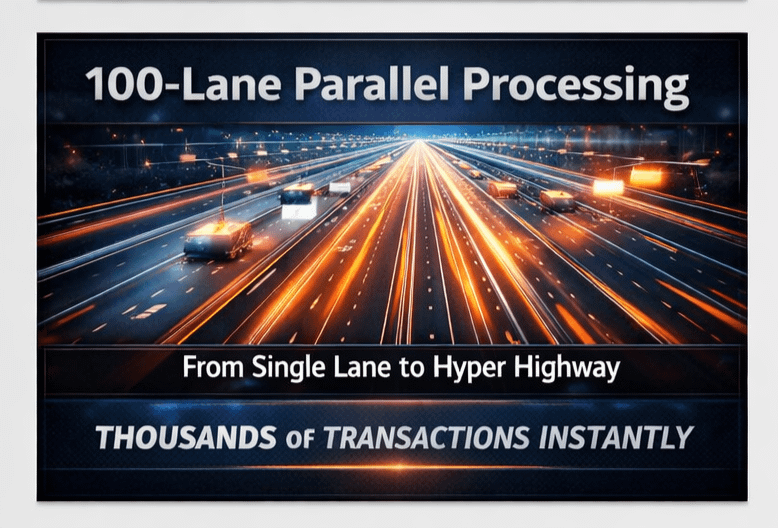
Parallel Processing:
Most Ethereum L2s process transactions sequentially — one after another. Fogo’s SVM architecture can process thousands of transactions simultaneously in parallel lanes. It’s like replacing a single-lane road with a 100-lane highway.
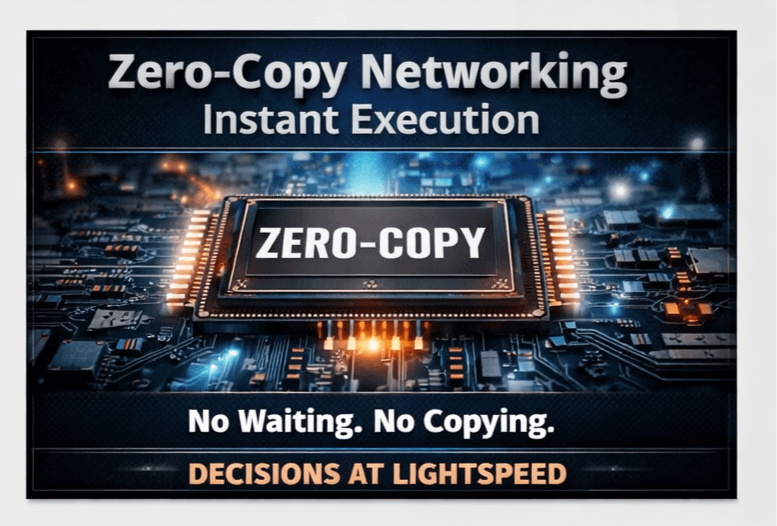
Zero-Copy Networking:
The “Waiting Tax” you mentioned often comes from the time lost copying data between memory layers. Firedancer uses zero-copy networking, meaning data is executed directly in memory without repeated copying. This removes hidden latency.
Summary: What Does This Mean for a Trader?
When you trade on Fogo, you’re not just using a “faster app” — you’re operating on an engine designed to make decisions in milliseconds.
On L2s: You still wait for batching (transactions being grouped together).
On Fogo: Your transaction becomes part of the system the moment it’s sent.
Your point about “Invisible Infrastructure” is absolutely right. If a trader doesn’t even notice the powerful hardware working in the background — but their trade confirms instantly — then Fogo has achieved its goal.
#fogo @Fogo Official $FOGO #Fogo
