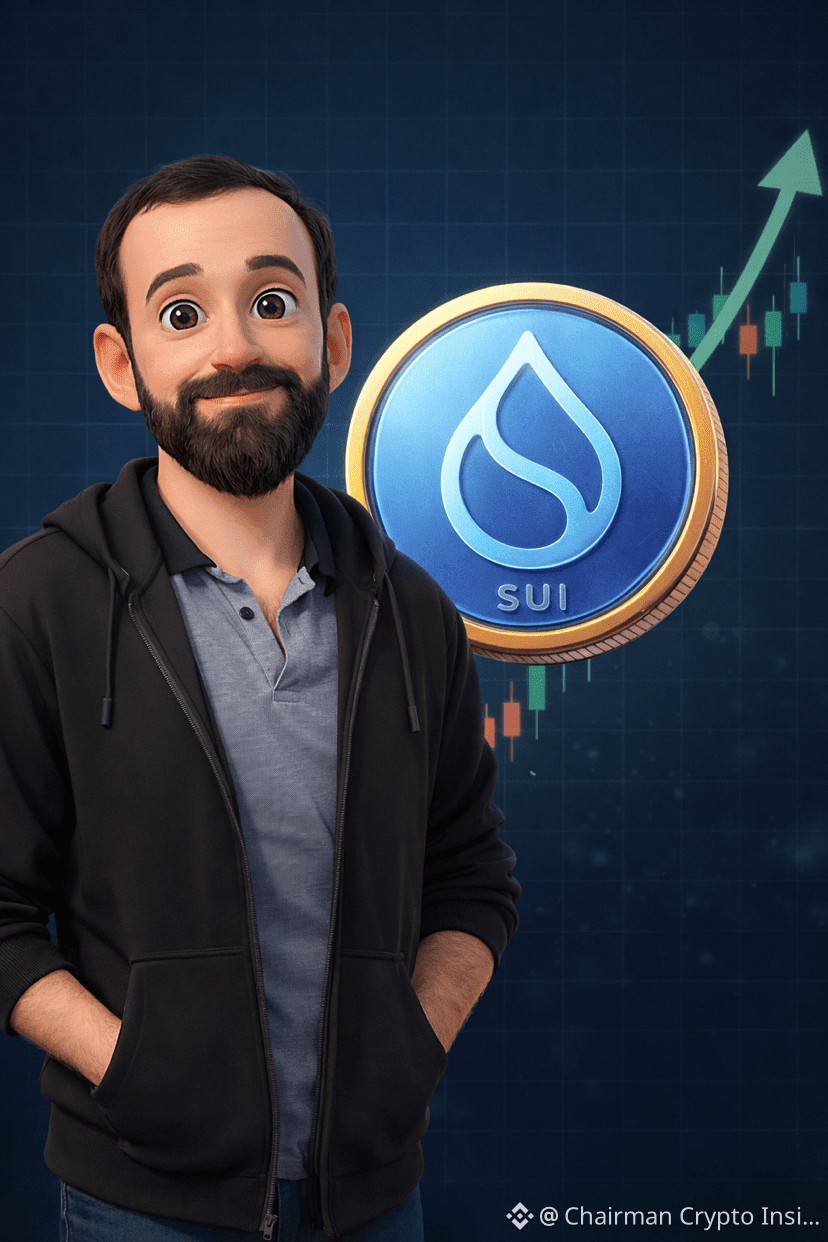
SUI: The Layer-1 Chain Redefining Digital Ownership and Real-World Utility
📌 Introduction
In a market flooded with Layer-1 blockchains claiming to solve scalability, SUI stands out with a proposition rooted in speed, efficiency, and real-world applications. Built by former Meta engineers, SUI combines high throughput with low latency to unlock a new wave of blockchain products. From gaming and finance to digital ownership and asset tokenization, SUI is building the foundation for a mass adoption-ready Web3 ecosystem.
⸻
⚙️ How SUI Works
Unlike traditional blockchains where every transaction queues in a single chain, SUI uses a technology called parallel execution. This means multiple transactions can be processed simultaneously, allowing the network to scale with demand.
Key Strengths:
• Massive scalability without sacrificing decentralization
• Ultra-low fees regardless of network congestion
• Developer-friendly Move programming language
• Optimized for digital assets and micro-transactions
This architecture positions SUI as a powerful competitor to networks like Solana and Avalanche.
⸻
🔥 Why SUI Matters in 2026
As global financial systems transition their assets on-chain, projects need blockchains that are:
• Fast enough for banking
• Affordable enough for retail use
• Strong enough to support enterprise adoption
SUI has already begun attracting institutional attention due to its enterprise-ready architecture and partnerships forming across DeFi, GameFi, and tokenized assets.
📈 Use cases gaining traction:
Sector
Use Case
Advantage
DeFi
High-frequency trading & swaps
Faster & cheaper execution
Gaming
On-chain assets & economies
Real-time processing
NFTs
Dynamic ownership and metadata
Powerful data structure
RWAs
Real estate & commodity tokenization
Trust and transparency
🧠 Investment Perspective (Not financial advice)
SUI remains in an early growth phase where adoption curves and developer integration are key drivers. As more users shift toward utility-first blockchains, SUI stands to benefit from both capital rotation and institutional onboarding.
In the era of practical blockchain adoption, SUI is not just another token — it’s infrastructure.
Long-term investors are monitoring:
• Staking APR sustainability
• Developer growth rate
• On-chain network activity
• Global macro liquidity cycles
⸻
🥇 Conclusion
SUI represents the kind of innovation that emerges when blockchain engineering meets real-world product thinking. It is not designed to be just another ecosystem — it is built to be the infrastructure powering the next wave of Web3.
As interest rates drop and liquidity flows back into risk assets, networks like SUI that combine scalability + utility could be positioned for substantial momentum.