
The Bitcoin Bridge That Could Change Everything for Plasma
When Stablecoins Meet the Original Chain
@Plasma made a bet from day one that most Layer 1 projects wouldn't consider: anchor everything to Bitcoin.
Not build on Bitcoin. Not compete with Bitcoin. Use Bitcoin as the ultimate settlement layer while running a high-speed stablecoin network on top. It's an architectural choice that seemed almost conservative at launch and might prove prescient as the industry matures.
The Bitcoin bridge activation planned for 2026 represents the full realization of this vision. And if it works as intended, it fundamentally changes what Plasma can offer.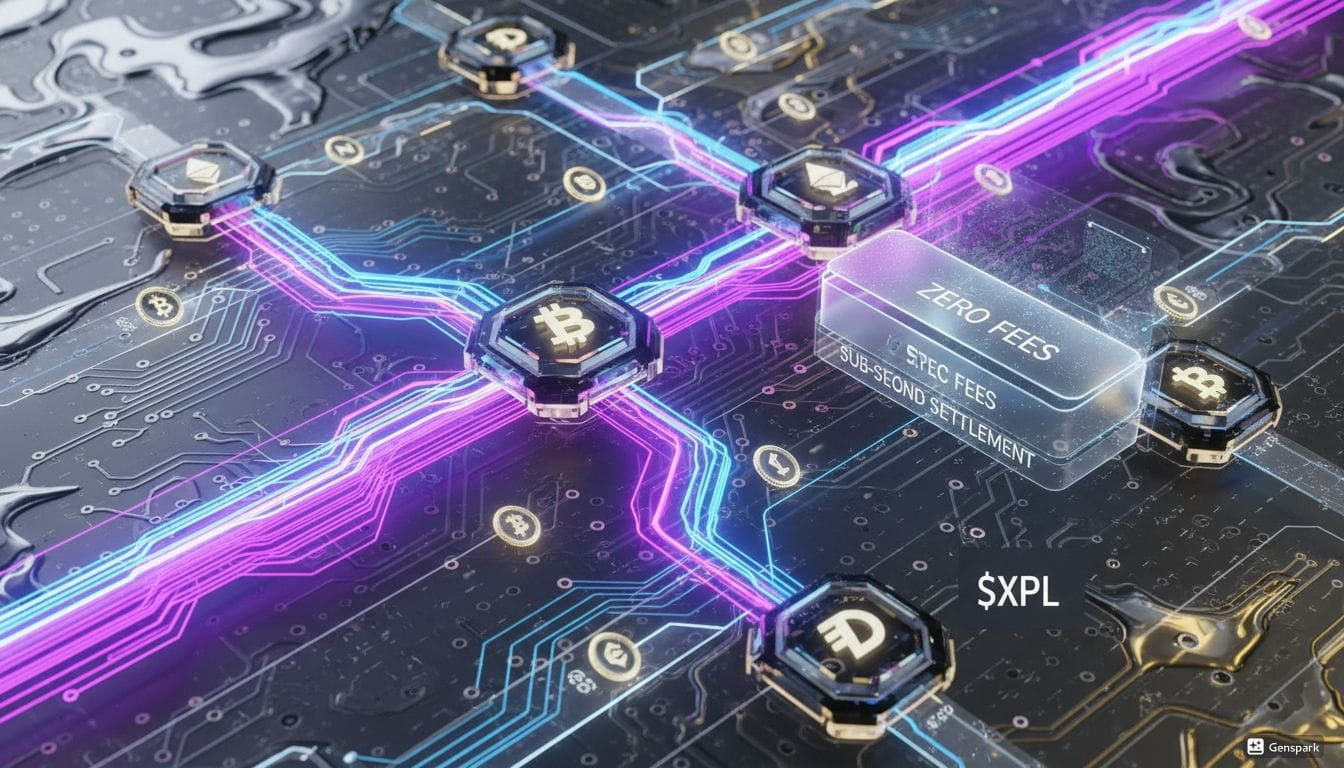
How It Actually Works
Every few blocks, Plasma's validator network bundles up transaction data and writes a compact proof to Bitcoin's blockchain. Think of it like keeping receipts in a fireproof safe. The daily work happens fast and cheap on Plasma. The permanent record lives on the most secure network humans have ever built.
This isn't marketing language it's a specific technical architecture called "anchoring" that provides security guarantees inherited from Bitcoin without requiring users to pay Bitcoin's fees or wait for Bitcoin's block times.
The trust-minimized bridge goes further. When Bitcoin is deposited into the bridge, independent verifiers check the transaction and mint pBTC, a token backed 1:1 by the deposited BTC. This pBTC can then be used within Plasma's smart contract environment—staking, lending, trading, whatever DeFi application developers build.
The "trust-minimized" part matters. No centralized custodian holds the keys. No single point of failure can drain the bridge. The security model distributes trust across multiple independent validators who must collude to steal funds.
Why This Matters for Stablecoin Infrastructure
The connection between Bitcoin security and stablecoin payments isn't obvious until you think about who actually needs this.
Institutions moving serious money care about one thing above all else: assurance that their transactions will settle and the chain won't experience a consensus failure, reorg, or security breach that affects their holdings.
Bitcoin has survived every attack imaginable for over fifteen years. Its security isn't theoretical it's battle-tested by trillions of dollars in value protected against the most sophisticated attackers in the world.
By anchoring to Bitcoin, Plasma borrows that credibility without requiring users to actually transact on Bitcoin. The stablecoins move fast and cheap on Plasma's layer. The ultimate security guarantee comes from Bitcoin's layer.
For payment processors, remittance corridors, and institutional stablecoin operations, this combination matters more than raw throughput numbers or yield farming incentives.
The pBTC Opportunity
Bitcoin's total market cap exceeds $1.8 trillion. The Bitcoin DeFi market represents a $100+ billion opportunity that Ethereum and Solana have struggled to capture effectively.
Plasma's pBTC creates a pathway for that capital to enter the stablecoin ecosystem. Holders can deposit BTC, receive pBTC, and use that pBTC as collateral for borrowing stablecoins, participate in lending protocols, or simply earn yield on their Bitcoin holdings.
This isn't wrapped Bitcoin like WBTC with its centralized custodian. The trust-minimized architecture distributes custody across the validator set, making it more aligned with Bitcoin's ethos of decentralization.
If Plasma can capture even a small percentage of Bitcoin holders looking for yield or DeFi exposure, the inflows could materially change the network's trajectory.
Confidential Payments: The Other Piece
Alongside the Bitcoin bridge, Plasma is developing a confidential payment module for selective transaction privacy.
This isn't full anonymity it's designed to let users mask transaction details while remaining compliant with regulatory requirements. Think of it as privacy for business purposes: companies can settle invoices without competitors seeing their payment flows, while still maintaining the ability to prove transaction history to regulators when required.
The combination of Bitcoin-level security and selective privacy positions Plasma for institutional use cases that fully transparent chains can't serve and fully private chains can't serve compliantly.
What the Roadmap Looks Like
The Bitcoin bridge activation is targeted for 2026, with the exact timing dependent on security audits and testing. The development team has been deliberately careful hererushing a bridge that handles BTC deposits would be catastrophic if vulnerabilities emerged.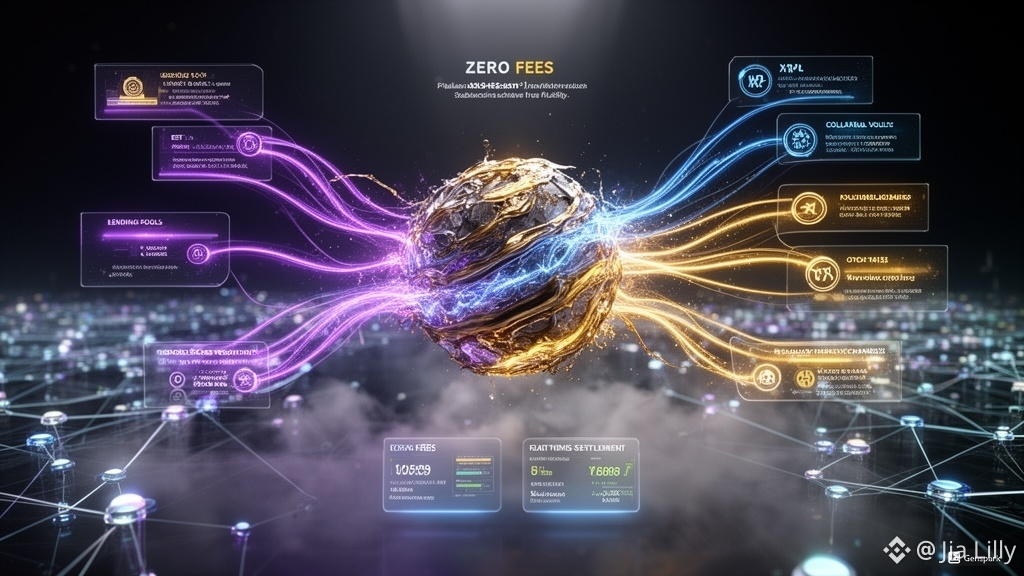
Once live, the bridge enables several new use cases:
Bitcoin as Collateral: Deposit BTC, receive pBTC, borrow stablecoins against that collateral without selling the underlying Bitcoin position. For long-term Bitcoin believers who need liquidity, this preserves exposure while unlocking capital.
Cross-Chain Arbitrage: Efficiently move between Bitcoin and stablecoin positions without the friction and fees of current bridging solutions.
Institutional Settlement: Companies holding Bitcoin reserves can use pBTC within Plasma's payment infrastructure while maintaining the ultimate security guarantee of Bitcoin settlement.
The Competitive Landscape
Plasma isn't alone in connecting to Bitcoin. Wrapped Bitcoin products exist on Ethereum, Solana, and other chains. Various bridge protocols attempt to bring Bitcoin into DeFi ecosystems.
What Plasma offers differently:
First, the entire chain anchors to Bitcoin—not just a bridged asset. This provides security guarantees beyond just the bridge itself.
Second, the trust-minimized architecture avoids the centralized custodian problem that affects wrapped Bitcoin alternatives.
Third, the integration is native to a stablecoin-focused chain, meaning the user experience for moving between BTC and digital dollars is optimized at the infrastructure level rather than bolted on afterward.
Whether these differentiators translate to adoption depends on execution and market preferences that remain to be proven.
The main Factors
Bridges are historically the most attacked components in crypto infrastructure. Even trust-minimized designs have risks. Validator collusion, smart contract bugs, or unforeseen attack vectors could compromise the bridge and any Bitcoin deposited in it.
Plasma's deliberate pace on bridge development suggests awareness of these risks, but no amount of testing can guarantee safety in adversarial conditions. Users depositing significant BTC into any bridge should understand they're taking on risks that holding Bitcoin in cold storage doesn't carry.
The other risk is adoption. A technically sound bridge that nobody uses doesn't change Plasma's trajectory. The question is whether Bitcoin holders will find Plasma's offerings compelling enough to bridge capital into the ecosystem.
What to Watch
Key metrics to track as the bridge approaches activation:
Testnet Activity: Bridge testing will reveal technical readiness and potential issues before mainnet deployment.
Validator Set Expansion: A larger, more geographically distributed validator set strengthens the trust-minimization claims.
DeFi Protocol Preparation: Lending and borrowing protocols integrating pBTC signals ecosystem readiness to absorb bridged capital.
Institutional Interest: Announcements from payment processors, custodians, or institutional investors regarding pBTC usage would indicate serious adoption potential.
The Bigger Picture
Plasma's Bitcoin bridge represents something larger than a feature addition it's a philosophical stance on what stablecoin infrastructure should connect to.
In a crypto ecosystem where chains compete on TPS metrics and yield incentives, Plasma is betting that security and settlement guarantees matter more. That the ability to inherit Bitcoin's credibility while moving stablecoins at modern speeds creates a unique position in the market.
If that thesis proves correct, the Bitcoin bridge isn't just another integration it's the core differentiator that defines Plasma's long-term value proposition.
If it doesn't, Plasma becomes another chain with a nice-to-have feature that doesn't drive meaningful adoption.
The answer will emerge as 2026 progresses and the bridge goes live. Until then, the development continues, the infrastructure expands, and the market waits to see whether boring, secure, Bitcoin-backed stablecoin rails are what the world actually wants.
