
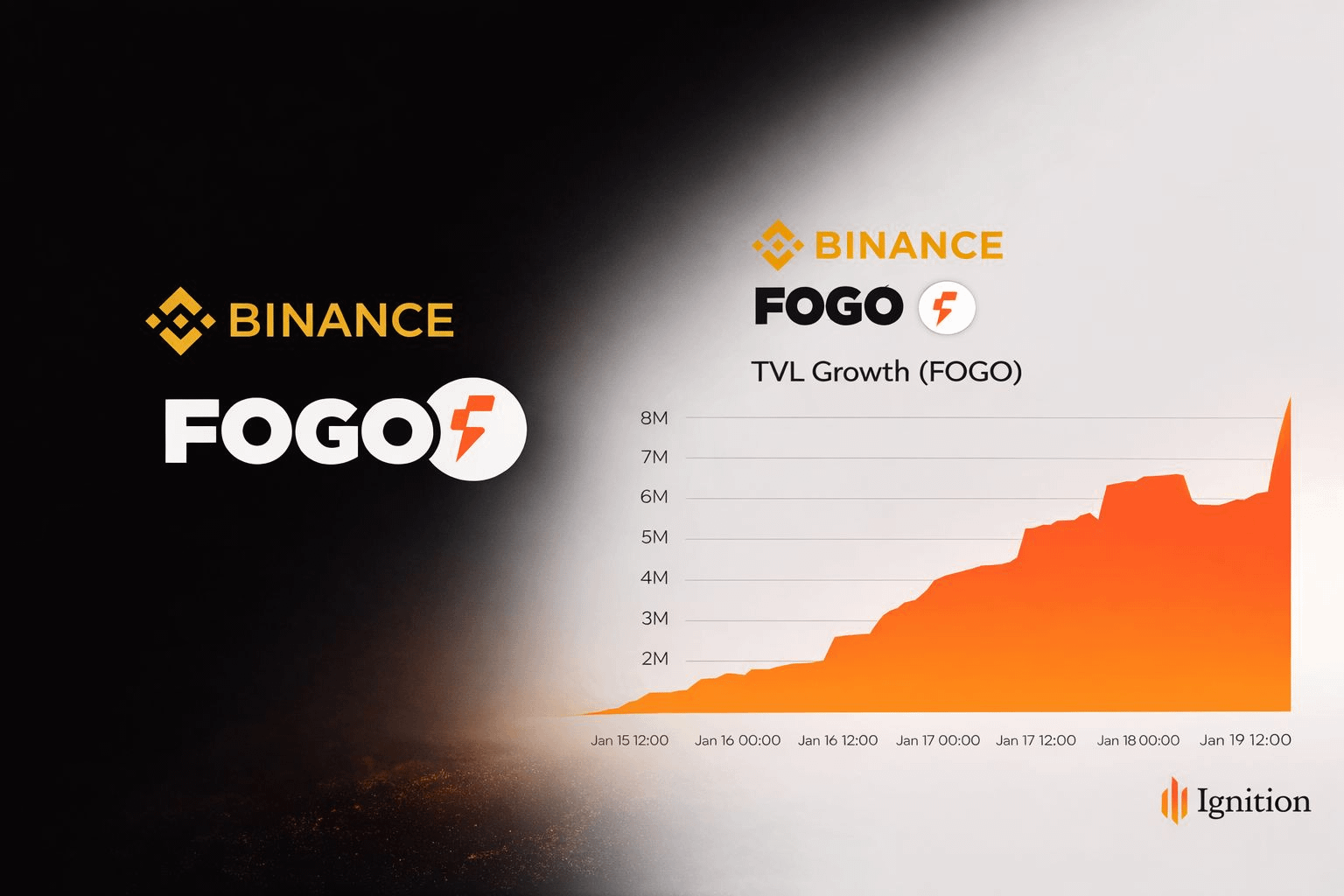
Fogo presents an interesting paradox: while it’s designed primarily for trading, it has the potential to serve as infrastructure for stablecoins, particularly as a high-performance execution and settlement layer. The real question isn’t just speed, but whether it can provide a reliable, liquid, and low-cost environment for stablecoins.
For stablecoins to function effectively at scale, they need:
Reliable issuance and redemption
Fast, low-cost payments and transfers
Deep integration into financial applications for capital turnover
Technically, Fogo excels at the second point, offering extremely low latency, fast finality, and high throughput. With block times in the tens of milliseconds, stablecoin transfers could rival centralized payment systems, giving it an edge in competing with Web2 rails.
However, stablecoins aren’t only about speed—they require trust and liquidity. On-chain payment and treasury teams prioritize stablecoin liquidity, fiat on/off-ramps, and robust infrastructure over raw transaction speed. For Fogo to become true stablecoin infrastructure, it must attract major stablecoin issuers or create a highly attractive environment for existing stablecoins.
Fogo benefits from SVM compatibility, allowing developers familiar with Solana to deploy stablecoin and payment applications quickly. This reduces friction and could position Fogo as a viable option for high-frequency stablecoin use cases like payroll, remittance, or micro-settlements.
Practical implementation raises trade-offs: extremely low latency demands high validator infrastructure, potentially centralizing the network and raising questions about decentralization and censorship resistance. Compliance is also critical; networks that are too permissionless may deter large issuers, while overly controlled networks lose crypto’s advantages.
Economically, stablecoins need multiple use cases—trading, lending, payments, collateral—to thrive. Without a robust ecosystem beyond trading, stablecoins may only act as quote assets, limiting supply growth. On/off-ramp access and integration with traditional payment systems are also essential; without partnerships with banks or payment providers, stablecoins may remain confined to crypto-only circulation.
Competition is fierce—Ethereum, Solana, and Tron already have deep liquidity and extensive partner networks. For Fogo to compete, it must offer compelling advantages, like lower fees, near-instant settlement, or new programmable features. Even then, migrating liquidity from established chains is slow and costly.
In the near term, Fogo’s most realistic opportunity is niche settlement use cases where high frequency and low latency matter, such as market-maker payments, internal protocol settlements, or micro-payments. Success here could gradually build stablecoin liquidity.
Long term, as more real-world money flows on-chain, fast, cheap, programmable settlement layers like Fogo could become part of stablecoin infrastructure—not necessarily replacing existing chains, but serving specialized high-speed applications.
Ultimately, Fogo has the technical foundation to support stablecoins, but success depends on solving liquidity, partnerships, on/off-ramps, and ecosystem development. Without these, its performance advantage may remain untapped.