
The first time I saw a serious DeFi team sit across the table from a traditional financial institution, I knew exactly how the meeting would end. Not because the product was bad. Not because the code didn’t work. But because one question always stops everything:
“How do we prove compliance without exposing all client activity to the public?”
That silence you hear after that question is the real limitation of most public blockchains. Transparency is powerful, but in finance, not all information is meant to be public. Trade sizes, identities, portfolio structures, salary flows, treasury movements these are not things institutions can broadcast to the entire internet. This is where Dusk takes a very different approach, and why its version of EVM compatibility actually matters.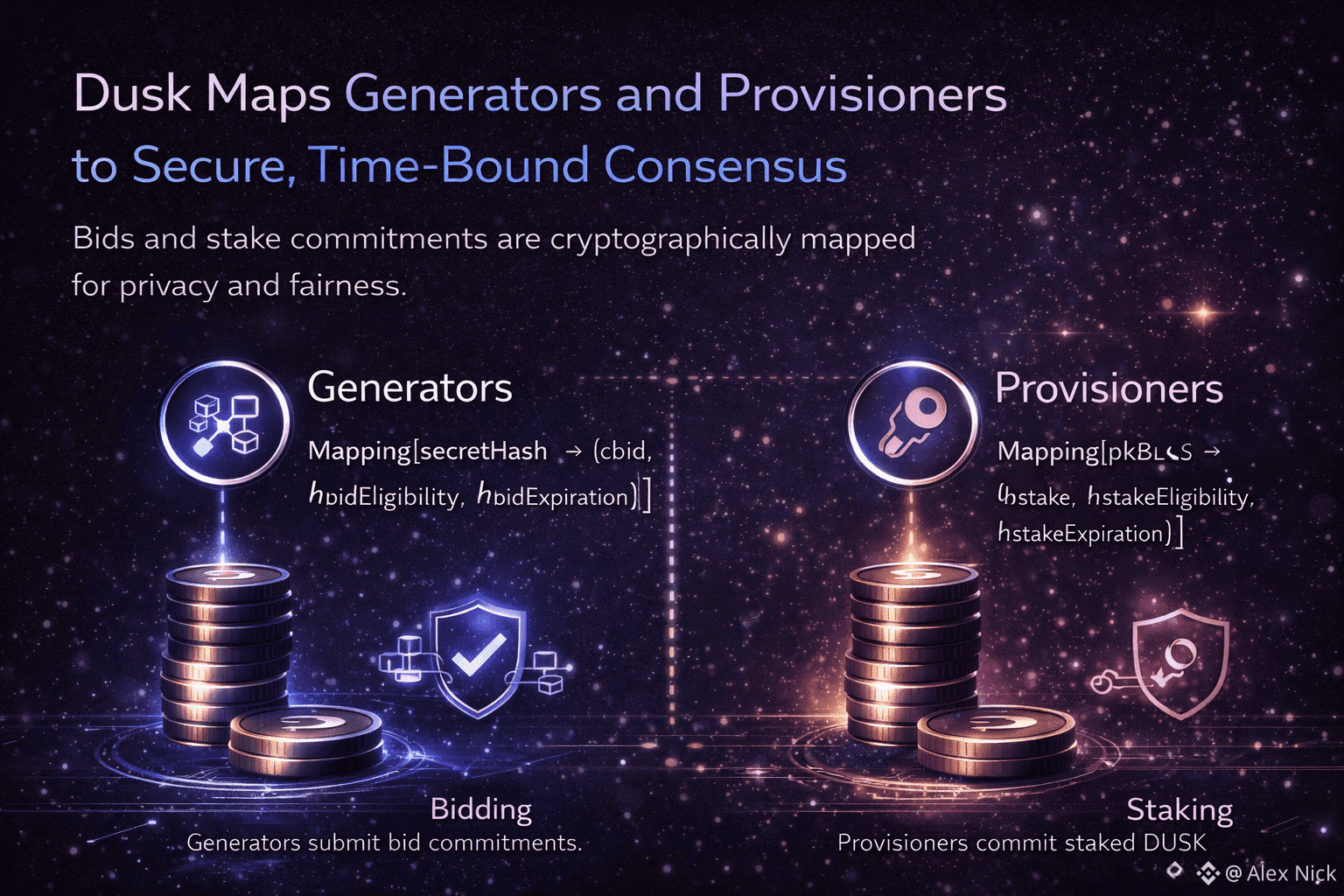
Most people already understand why EVM support is important. The Ethereum Virtual Machine has become the industry standard for smart contracts. Solidity, Foundry, Hardhat, audits, wallets, and developer talent all revolve around it. When a chain supports EVM, builders don’t have to relearn everything. That lowers friction and speeds up development.
But Dusk’s position is simple: EVM compatibility alone is not enough for real financial markets.
Traditional EVM environments were built with openness as the default. Every transaction becomes public history. That works well for experimental DeFi, but it breaks down quickly when you move into regulated assets like tokenized funds, bonds, equities, or institutional settlement. Finance doesn’t reject transparency it rejects uncontrolled transparency.
DuskEVM is designed around that reality.
Developers can still use familiar EVM workflows, but the environment they deploy into is fundamentally different. The base layer assumes regulated use cases exist. It assumes privacy is required. And it assumes compliance must be provable without turning the entire system into a surveillance network.
That’s the twist.
Dusk doesn’t try to make everything invisible. Instead, it treats privacy as controlled exposure. Information stays confidential by default, but can be proven, verified, or selectively disclosed when required. That distinction is critical. In real finance, compliance doesn’t mean showing everything to everyone. It means being accountable to the right parties at the right time.
This is where zero-knowledge proofs become practical rather than theoretical.
With ZK systems, someone can prove a rule was followed without revealing the data behind it. An investor can prove eligibility without publishing identity. A transfer can prove it followed restrictions without exposing counterparties. A fund can prove solvency or limits without opening its entire balance sheet to the public.
From my perspective, this changes how smart contracts behave psychologically. On fully transparent chains, I always assume I’m being watched. I split trades not just for slippage, but to avoid signaling. I hesitate to move size. That invisible information leak becomes a cost most people never calculate. In real finance, information asymmetry is everything. Infrastructure that reduces unnecessary exposure unlocks participants who simply won’t operate otherwise.
Dusk’s deterministic finality reinforces this mindset. Institutions don’t tolerate “probably final.” Settlement needs legal clarity. Once a transaction is confirmed, it must be done. Dusk’s design emphasizes predictable settlement behavior, closer to traditional financial systems than probabilistic chains that rely on waiting multiple confirmations.
Now combine that with EVM compatibility.
You’re no longer just building DeFi apps. You’re building smart contracts that can encode real-world constraints: eligibility rules, transfer restrictions, disclosure logic, and compliant settlement flows. That opens the door to use cases that simply don’t fit on fully transparent rails.
Think about a tokenized fund. On a normal EVM chain, transfers are visible, investor behavior is traceable, and privacy risks multiply quickly. On Dusk’s model, investors can interact confidentially while still remaining provably compliant. Regulators can audit without turning the market into a glass box.
That’s the real innovation here.
Dusk isn’t competing to be the fastest chain or the loudest ecosystem. It’s competing to be usable by capital that cannot afford mistakes, leaks, or regulatory ambiguity. That’s why its progress looks quiet. Institutions don’t move loudly. They move carefully.
The key idea isn’t that Dusk supports EVM. Many chains do.
The key idea is that Dusk is trying to make EVM viable in environments where privacy and compliance are non-negotiable.
If this works, it suggests something bigger about the future of smart contracts. They won’t live entirely in public or entirely in private systems. They’ll live in selective environments where markets stay confidential, rules remain enforceable, and accountability exists without overexposure.
That’s not a crypto fantasy.
That’s how finance already works.
Dusk is simply trying to bring that reality on-chain.
