

Late last year, during a quiet stretch around the holidays, I found myself doing something that rarely makes it into crypto headlines. I was moving stablecoins. Not trading. Not farming yield. Just settling cross border payments between accounts to keep fiat ramps balanced for a small trading desk. These were ordinary transactions. They needed to be fast, cheap, and predictable. Nothing more. And yet, in those moments, a familiar friction showed up. Fees changed without warning. Settlement times varied. Token volatility sat uncomfortably close to flows that were supposed to feel like cash. It highlighted a deeper issue that still defines much of the industry. Many networks design their tokenomics for the launch narrative, not for the phase where real usage quietly takes over. Plasma enters this picture with a different posture, and in 2026, that difference is becoming easier to evaluate.
At a high level, Plasma does not try to be everything. It does not market itself as a playground for every possible on chain use case. It is an EVM compatible network built almost entirely around stablecoin payments, with USDT at the center. The promise is simple. Zero fee or near zero fee transfers. Fast and consistent settlement. No sudden congestion spikes caused by unrelated activity. By intentionally skipping NFTs, meme driven DeFi experiments, and other high variance workloads, Plasma avoids the noise that often distorts fee markets on general purpose chains. This narrow focus shapes not only the technical design but also the economic one. The network is optimized for flows that need to work the same way on a quiet Sunday as they do on a busy weekday. That is not glamorous, but for payments, it is the point.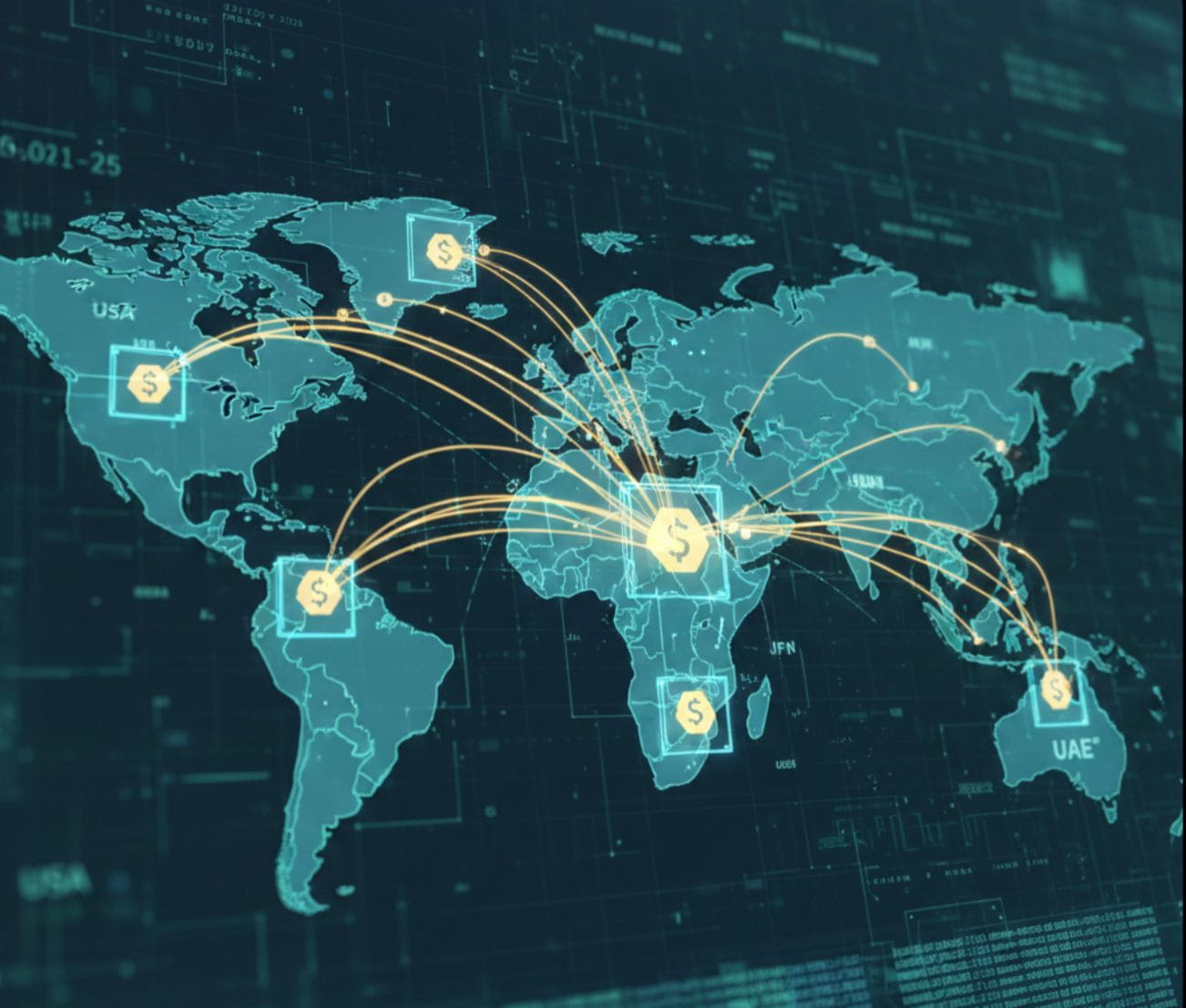
Under the hood, Plasma reinforces this mindset through its consensus and execution choices. PlasmaBFT, a modified version of HotStuff, overlaps block proposal, voting, and commitment rather than stacking them one after another. The goal is not to chase record breaking transactions per second. It is to keep block times steady and finality predictable. In practice, live usage today is modest compared to headline driven chains, often sitting in the teens for throughput. But those numbers hide what matters more. The network is processing real merchant and settlement volume, reportedly in the tens of millions of dollars per month, without the erratic behavior that shows up when networks get crowded. On top of that sits a protocol level paymaster for USDT transfers. Basic sends are sponsored and rate limited. Users do not need to think about gas for routine payments, and the system still discourages abuse. Since the beta launch in late 2025, transaction counts have climbed into the hundreds of millions, and stablecoin deposits across supported assets have grown into the billions. These are not speculative test numbers. They reflect usage that resembles infrastructure more than experimentation.
XPL, Plasma’s native token, plays a deliberately quiet role in this system. It exists where it needs to exist and stays out of the way everywhere else. XPL is used for base fees on transactions that are not sponsored, for staking to secure the validator set, and for settlement guarantees around things like bridges. It is not designed to be the star of the show. A portion of transaction fees is burned using a mechanism similar to EIP 1559, which means higher activity can offset issuance over time. Inflation started around five percent annually and has already stepped down to roughly four and a half, with a planned path toward three. This does not make XPL deflationary, and Plasma does not pretend that it does. Instead, it anchors issuance to a longer time horizon. The idea is stability, not scarcity theater. Governance follows the same philosophy. Recent proposals have focused on validator requirements and staking parameters rather than headline grabbing changes. The system favors boring decisions that keep block production steady.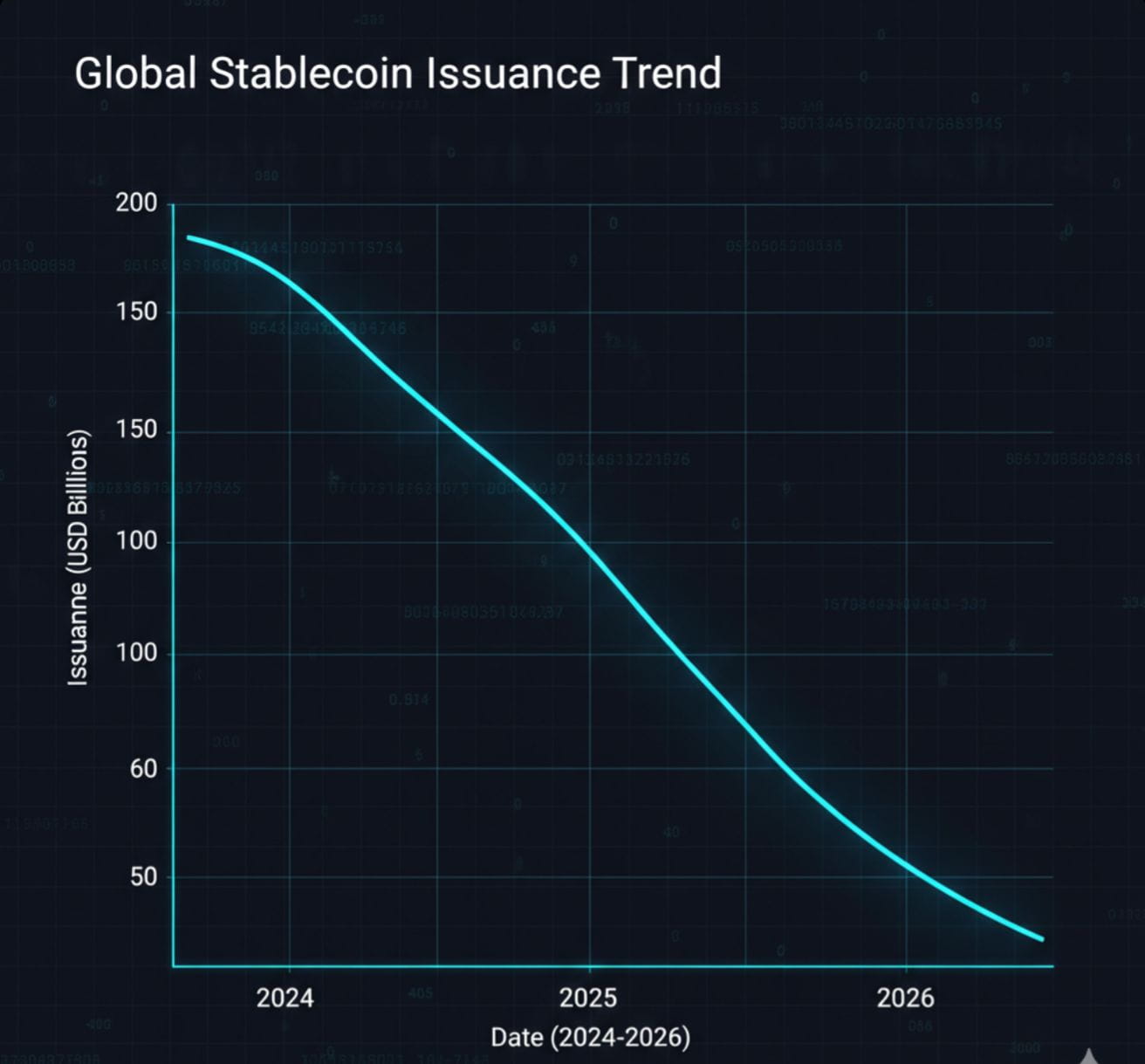
From an analytical standpoint, the real tension in 2026 sits around distribution and unlocks. Like most projects that raised capital and bootstrapped early participation, Plasma has scheduled token releases ahead. Large unlocks always introduce risk, especially for a token whose value is tied more to utility than speculation. If unlocked supply hits the market faster than staking and usage can absorb it, price pressure is a rational outcome. Plasma’s counterweight is activity. Burn mechanisms, staking participation, and real demand for settlement security all need to scale in parallel. This is not a promise. It is a condition. The network does not escape basic economics simply because it is well designed. For observers and participants, the signals to watch are straightforward. Are stablecoin volumes growing steadily rather than spiking? Is the burn rate moving closer to issuance as usage increases? Are large holders choosing to stake rather than exit when unlocks occur? These answers will matter far more than any short term narrative.
Stepping back, Plasma’s tokenomics in 2026 feel less like an experiment in clever design and more like an exercise in restraint. Distribution, unlock schedules, and incentives are treated as supporting elements, not growth hacks. That approach will not satisfy everyone. Some investors want tokens to tell a louder story. Some users want every chain to host every app. Plasma is making a quieter bet. That for stablecoin payments, reliability is the product. Tokens should absorb complexity, not add to it. If XPL continues to fade into the background while payments clear smoothly, merchants settle on time, and balances stay predictable, that is likely the intended outcome. And if the token ever becomes the most interesting part of the system again, it may be a signal that the underlying goal has not been fully reached yet.

