
Russian President Vladimir Putin’s recent warning about a possible U.S. war with Iran is not just political rhetoric. It is a strategic message rooted in global power balance. His core point is simple but serious: a conflict with Iran would not remain limited and could trigger a much wider war.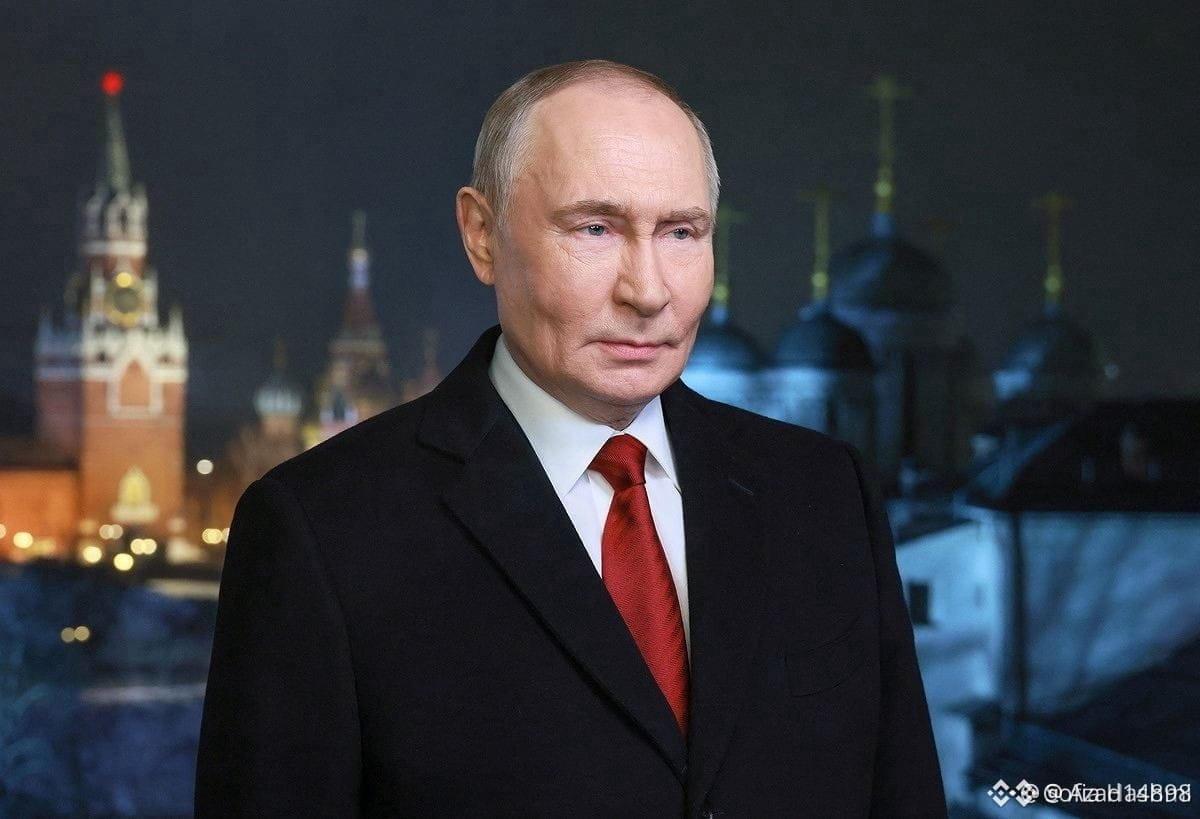
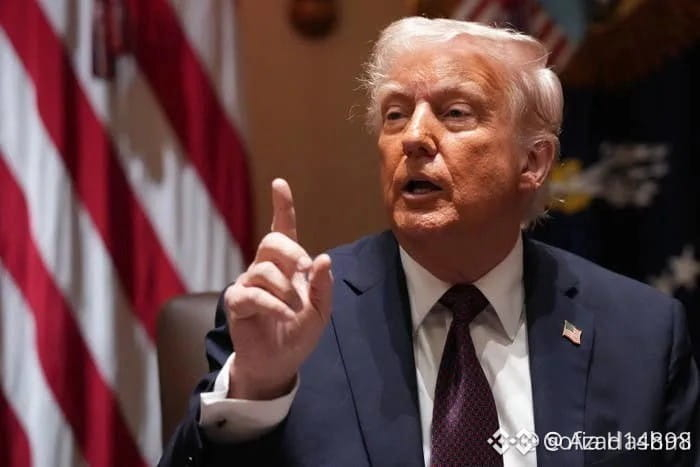
This statement is widely seen as an indirect signal to U.S. leadership, particularly President Donald Trump, to carefully weigh the consequences of military action.
Why This Warning Matters
The Middle East is not an isolated region. It sits at the center of global politics, energy supply, and military alliances. Any major conflict there automatically affects multiple countries and global markets.
Putin’s warning reflects a key geopolitical reality:
Major powers are already deeply involved in the region
Military forces operate close to each other
One strike can trigger a chain reaction
This is how regional wars expand.
The Power Network Around Iran
Iran is not alone on the global stage. Its position is connected to several strategic relationships:
Russia has political and military cooperation with Iran
The United States supports Israel and Gulf allies
Israel views Iran as a direct security threat
Global energy markets depend heavily on regional stability
If the U.S. were to strike Iran, responses would not come from Iran alone. Allies and partners on all sides could be drawn in, intentionally or unintentionally.
Why Escalation Is a Real Risk
History shows that world wars rarely begin with one clear decision to start them. Instead, they grow out of:
Miscalculations
Retaliation cycles
Alliance obligations
Loss of diplomatic control
Once military action begins, leaders face pressure to respond strongly rather than step back. This reduces space for diplomacy and increases the risk of wider conflict.
What Putin Is Really Saying
Putin’s message is not about threatening the United States. It is about reminding global leaders that:
Military power has consequences beyond borders
Control is often lost after the first strike
Global stability is fragile in times of high tension
From a strategic view, Russia is signaling that it will not remain neutral if its regional interests are threatened.
Why This Moment Is Dangerous
Several unresolved issues make the situation more unstable:
Low trust between major powers
Weak diplomatic communication
Heavy military presence in the region
Ongoing sanctions and political pressure
When problems remain unsolved and force is used instead of dialogue, the risk of escalation increases dramatically.
The Bigger Picture
The world is at a geopolitical crossroads. Decisions made by major powers today could shape global order for decades. Putin’s warning highlights a key truth of international politics:
Not every conflict stays local.
Not every show of strength leads to control.
Conclusion
This is not about fear. It is about strategy, balance, and responsibility. A war with Iran would not just affect one country or one region. It could reshape global alliances, disrupt economies, and push the world toward a confrontation no one truly wants.
The real question is whether global leaders choose restraint and diplomacy — or allow a single decision to trigger irreversible consequences.
$DUSK #dusk @Dusk #WriteToEarnUpgrade #Write2Earn $TAO