
Most blockchain founders promote their projects relentlessly hoping everyone recognizes their brand name and technological achievements. Jawad Ashraf articulates radically different vision where success means billions use Vanar daily without ever knowing it exists. He compares this philosophy to how nobody thinks about AWS or Google Cloud when using Netflix or Gmail because underlying infrastructure works so seamlessly that it becomes completely transparent. I’m describing intentional anonymity where best outcome involves powering countless applications while remaining entirely invisible to end users who just want things that work without understanding technical complexities underneath.
This counterintuitive approach to blockchain marketing stems from Ashraf’s unconventional path into cryptocurrency space. His journey began with ZX Spectrum computer in childhood United Kingdom where eight-year-old didn’t just play games but created them. This hands-on coding experience shaped perspective that technology should empower creativity rather than create barriers requiring technical expertise to overcome. The computer science degree from University of Greenwich led to brief traditional employment before freelance software development opened doors to diverse industries including antiterrorism systems, energy trading platforms, and mobile applications across multiple decades.
The Entertainment Exit Creating Foundation For Blockchain Ambition
The hundred million dollar exit with Entertainer Dubai provided both capital and credibility enabling ambitious pivot into emerging blockchain space. Entertainer represented digital entertainment platform serving Middle East markets demonstrating Ashraf’s ability to build consumer-facing products achieving scale in specific geographic regions. This success validated his approach of understanding local market needs rather than imposing one-size-fits-all global solutions. The experience also revealed limitations of centralized platforms where single company controls entire ecosystem making developers and content creators dependent on platform decisions they cannot influence.
The transition from Entertainer to Virtua represented exploration of how blockchain could democratize digital entertainment by giving creators ownership and control impossible within traditional platform structures. Virtua launched as gamified metaverse where users purchased virtual land, showcased NFT collections in immersive galleries, and participated in social experiences within high-fidelity virtual environments. The project attracted community of early adopters enthusiastic about virtual reality and digital ownership but remained relatively niche compared to mainstream consumer applications Ashraf envisioned reaching.
The November 2023 decision to rebrand from Virtua to Vanar and completely rebuild underlying blockchain infrastructure required courage to abandon working product and start fresh. They’re betting that lessons learned from entertainment platform could inform design of general-purpose infrastructure serving billions rather than thousands. The one-to-one TVK to VANRY token swap maintained community continuity while signaling that future direction would be fundamentally different from metaverse gaming origins. This willingness to reinvent project midstream distinguishes teams that adapt to market realities from those rigidly adhering to original vision regardless of evidence suggesting different approach might work better.
The Gary Bracey Gaming Perspective Shaping User Experience Philosophy
The partnership with Gary Bracey as cofounder brought over thirty-five years of gaming industry experience into Vanar’s strategic direction. Bracey worked at legendary companies like Ocean Software creating games for both Western and Asian audiences giving him cross-cultural perspective on what makes interactive experiences engaging across different markets. His background understanding what captures player attention and keeps them engaged for hours informs Vanar’s obsessive focus on user experience where blockchain mechanics must be completely hidden from people who just want to play games or use applications without learning new technical concepts.
The gaming industry insight that successful titles make complex systems feel intuitive through careful interface design translates directly to blockchain challenges. Most crypto projects force users to understand gas fees, wallet seed phrases, transaction confirmations, and network congestion before accomplishing anything useful. Bracey’s perspective insists this puts cart before horse where technology should serve user goals rather than creating educational requirements preventing people from getting started. The vision involves applications built on Vanar functioning exactly like traditional apps where blockchain provides backend infrastructure invisible to users focused on their actual objectives.
The founding team’s combined experience across technology entrepreneurship, entertainment platforms, and gaming excellence creates unusual blend of skills rarely found in blockchain projects. Ashraf brings scaling experience building products reaching millions of consumers across different geographic markets. Bracey contributes deep understanding of what makes digital experiences compelling enough that people voluntarily spend discretionary time engaging with them. Together they represent rare combination of knowing how to build working products at scale and understanding what makes those products worth using in first place beyond mere technical capability.
The NVIDIA Inception Validation Signaling Mainstream Recognition
The March 2024 acceptance into NVIDIA Inception program represented significant external validation that Vanar’s approach resonated beyond crypto-native investors and developers. NVIDIA carefully curates startups admitted to Inception focusing on companies positioned to reshape industries through technological innovation rather than incremental improvements on existing approaches. The program nurtures startups during critical product development stages providing access to cutting-edge tools, expert guidance, and vibrant community of innovators working on adjacent problems where knowledge sharing accelerates everyone’s progress.
The specific technologies Vanar gained access to through NVIDIA partnership demonstrate alignment between blockchain infrastructure goals and advanced computing capabilities. NVIDIA CUDA-X AI provides comprehensive toolkit for AI services and applications including IP tracking, analytics, and metaverse creation enabling developers building on Vanar to integrate sophisticated artificial intelligence features without needing build those capabilities from scratch. The Omniverse platform offers collaborative design tools for creating immersive three-dimensional environments relevant for gaming and virtual world applications envisioned as major use cases. The Gameworks suite delivers optimized graphics and physics libraries making it easier to build high-performance games leveraging Vanar’s blockchain capabilities.
The collaboration extends beyond merely accessing software tools to include opportunities engaging with industry-leading experts and other AI-driven organizations within NVIDIA ecosystem. This network effect means developers choosing to build on Vanar automatically connect into broader community working on cutting-edge problems in artificial intelligence, graphics rendering, and interactive experiences. We’re seeing strategic positioning where Vanar becomes natural choice for builders focused on entertainment and immersive applications because infrastructure already integrates with tools they need rather than requiring custom integration work before starting actual product development.
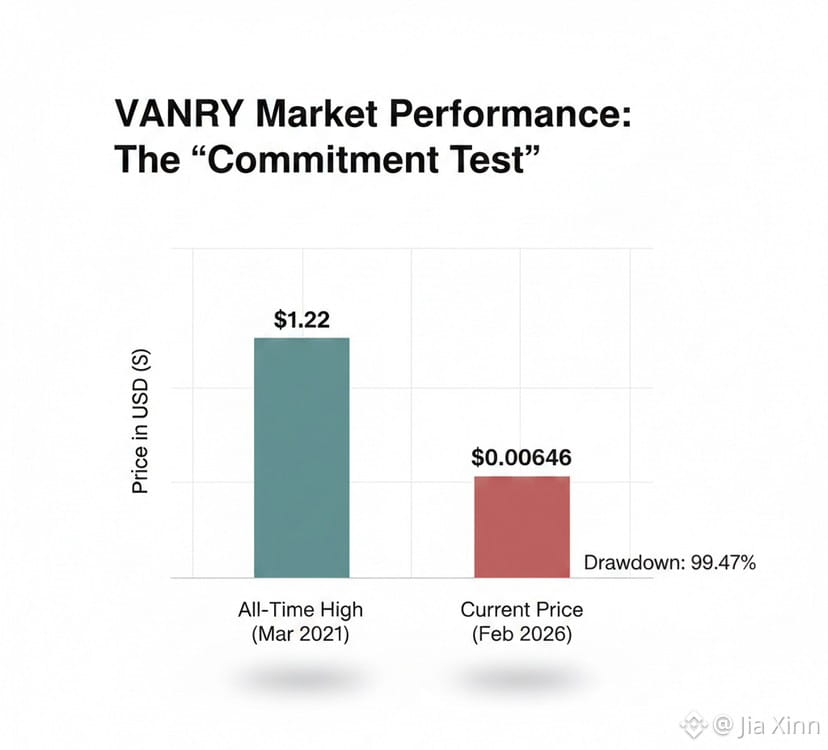
The forty-two percent single-day price increase to approximately thirty cents following NVIDIA partnership announcement demonstrated that market recognized significance of this validation. Traditional venture investors and crypto speculators alike understood that NVIDIA doesn’t randomly partner with blockchain projects but carefully selects companies where collaboration creates mutual value. The association with globally recognized technology leader provided credibility impossible to achieve through marketing campaigns or whitepaper claims about future capabilities. If it becomes that developers actually leverage these NVIDIA integrations to build compelling applications, the partnership delivers tangible value beyond mere brand association.
The Entertainment Focus Distinguishing Infrastructure From Competing Chains
The persistent emphasis on entertainment as primary vertical differentiates Vanar from general-purpose blockchains attempting to serve every possible use case simultaneously. Most Layer One projects position themselves as platforms for decentralized finance, supply chain tracking, identity management, gaming, social media, and anything else someone might build using smart contracts. This generalist approach sounds comprehensive but often results in infrastructure optimized for nothing specifically because trying to accommodate every use case requires compromises preventing excellence in any particular domain.
Vanar’s decision to explicitly target entertainment and gaming applications allows architectural choices that might not make sense for other use cases but create massive advantages for specific target audience. The fixed ultra-low transaction fees matter enormously for games where players perform hundreds of micro-transactions during typical session but might be irrelevant for DeFi protocols moving millions of dollars where percentage-based fees make more economic sense. The focus on creating invisible blockchain where users never realize they’re interacting with decentralized infrastructure aligns perfectly with gaming where players want seamless experiences not educational moments about how technology works.
The entertainment industry represents enormous addressable market where billions of people worldwide spend discretionary time and money on games, virtual experiences, digital collectibles, and interactive content. Capturing even tiny percentage of this existing market dwarfs total value currently flowing through most blockchain applications. The challenge involves actually delivering experiences compelling enough that people choose blockchain-enabled games over traditional alternatives for reasons beyond novelty of crypto integration. This requires building applications genuinely better than non-blockchain equivalents rather than merely demonstrating that blockchain versions can exist.
The Virtua metaverse and VGN games network represent concrete examples of entertainment applications built specifically for Vanar demonstrating that team practices what they preach about building on own infrastructure. These platforms allow developers to test capabilities under real usage conditions rather than theoretical scenarios described in documentation. They’re serving as proving grounds where pain points get identified and addressed before external developers encounter same issues. This dogfooding approach where company uses own products catches problems that escape theoretical analysis but become obvious once actual users interact with systems under production conditions.
Contemplating Whether Invisible Success Remains Possible
Looking forward several years the invisible blockchain philosophy faces fundamental measurement challenge where success by definition means most people using Vanar never realize they’re doing so. Traditional blockchain projects trumpet transaction counts, total value locked, and daily active addresses as metrics demonstrating traction. If Vanar achieves its vision of powering mainstream entertainment applications where blockchain remains completely transparent to end users, those metrics might never reflect true scale of adoption because applications abstract away direct blockchain interaction.
The success scenario involves popular game with millions of players using Vanar for in-game transactions without players understanding or caring about underlying infrastructure. The development studio knows they built on Vanar because they made deliberate technical choice during development. The game publisher appreciates predictable costs and reliable performance that Vanar provides. But players themselves remain entirely unaware that blockchain enables features they enjoy. This creates paradox where most successful outcome produces minimal brand recognition among actual end users.
The alternative trajectory involves Vanar becoming yet another blockchain project recognized primarily within crypto community but failing to achieve mainstream entertainment adoption team explicitly targets. The NVIDIA partnership, Google Cloud infrastructure, and impressive technical capabilities might attract developers who build interesting proof-of-concepts without achieving breakout consumer success that brings billions of non-crypto users onto platform. The token might trade actively among speculators analyzing technical merits and partnership announcements without ever powering applications that regular people actually use.
The philosophical question underneath entire Vanar thesis concerns whether blockchain technology genuinely improves entertainment experiences in ways users notice and value or whether it merely creates technical complexity that developers must hide to avoid scaring away mainstream audiences. If blockchain primarily adds backend infrastructure benefits like true ownership and interoperability without creating frontend features that consumers actively desire, then invisible blockchain makes sense as strategy. But if consumers don’t actually care about decentralization, ownership, or other blockchain value propositions once abstracted away, then perhaps entertainment doesn’t need blockchain at all and traditional centralized solutions remain superior for most use cases.
The answer remains uncertain as we stand in early 2026 watching whether vision materializes or remains unrealized potential. What seems clear is that team led by Ashraf and Bracey possesses both technical capability to build sophisticated infrastructure and practical experience delivering consumer products achieving scale. They understand that technology alone never drives mainstream adoption without compelling use cases that solve problems people actually have. Whether entertainment applications built on Vanar cross threshold from technically impressive to genuinely transformative remains open question whose answer will determine whether invisible blockchain philosophy represents visionary strategy or merely convenient excuse for failing to achieve brand recognition that successful consumer platforms typically require.