
Satoshi_Nakamotoreal
10.5K+ Following
1.7K+ Follower
87 Like gegeben
8 Geteilt
Beiträge
Alle
Zitierungen
Videos
Live
PINNED
Übersetzung ansehen
Its Meow time🐱🐱🐱
click to claim special gift for you
Red packet alert meow
click to claim special gift for you
Red packet alert meow
Übersetzung ansehen
is this real meow?
🎁 GEWINNSPIEL-ALARM 🚨
Binance-Familie, es ist Zeit zu GEWINNEN! 💛
Wir verschenken USDT an glückliche Krypto-Liebhaber 💸
✅ Folgen
✅ Liken & Kommentiere deine Lieblingsmünze
✅ Teile diesen Beitrag
⏳ Gewinner werden bald bekannt gegeben!
#Binance #CryptoGiveaway #USDT #BNB #CryptoCommunity
Binance-Familie, es ist Zeit zu GEWINNEN! 💛
Wir verschenken USDT an glückliche Krypto-Liebhaber 💸
✅ Folgen
✅ Liken & Kommentiere deine Lieblingsmünze
✅ Teile diesen Beitrag
⏳ Gewinner werden bald bekannt gegeben!
#Binance #CryptoGiveaway #USDT #BNB #CryptoCommunity
Übersetzung ansehen
Dusk
Founded in 2018, Dusk is a Layer-1 blockchain specifically designed to support regulated, privacy-centric financial infrastructure. As blockchain technology increasingly intersects with traditional finance, Dusk addresses a critical gap in the market: enabling on-chain financial activity that preserves confidentiality while remaining compliant with regulatory and audit requirements.
Unlike general-purpose blockchains that prioritize openness over discretion, Dusk is built with privacy and compliance by design. Financial institutions, enterprises, and regulated entities often handle sensitive data that cannot be exposed publicly, yet they must still demonstrate transparency to regulators. Dusk’s architecture is tailored to meet these needs, allowing confidential transactions alongside verifiable audit trails and selective disclosure mechanisms.
At the heart of the network is a modular architecture that enables developers to build flexible, institutional-grade applications. This modularity allows different components—such as privacy, settlement, and compliance layers—to be adapted depending on specific regulatory or business requirements. As a result, Dusk can support a wide range of financial use cases without forcing a one-size-fits-all model.
One of Dusk’s core strengths lies in its support for compliant decentralized finance (DeFi). While much of DeFi today operates in a permissionless and fully transparent environment, this structure often clashes with regulatory frameworks. Dusk enables DeFi applications that integrate privacy-preserving mechanisms, identity requirements, and compliance checks, making them suitable for institutional participation. This opens the door for regulated entities to engage with DeFi markets in a legally sound and risk-managed manner.
Dusk also plays a significant role in the tokenization of real-world assets (RWAs). Assets such as equities, bonds, real estate, and other financial instruments can be issued and managed on-chain while maintaining confidentiality around ownership and transaction details. At the same time, the network allows authorized parties to audit and verify activity when necessary. This balance is crucial for bringing traditional financial assets onto blockchain infrastructure at scale.
Privacy on Dusk does not mean opacity. Instead, the network emphasizes auditability with control, ensuring that data can be disclosed to regulators, auditors, or counterparties without exposing it publicly. This selective transparency model aligns closely with how traditional financial systems operate, making Dusk a natural bridge between legacy finance and decentralized technology.
From a broader perspective, Dusk is designed to serve as foundational infrastructure for institutional-grade financial applications, including digital securities, compliant marketplaces, and settlement systems. Its focus on regulation-friendly design, combined with blockchain efficiency, positions it as a long-term solution rather than a speculative platform.
In an environment where regulatory scrutiny of blockchain and digital assets continues to increase, Dusk’s approach is especially relevant. By embedding privacy, compliance, and auditability directly into the protocol, Dusk enables innovation without sacrificing trust or legal clarity.
Overall, Dusk represents a mature and forward-looking vision for blockchain adoption in finance. Rather than challenging regulation, it works alongside it—providing a secure, private, and compliant foundation for the next generation of financial infrastructure.
#dusk @Dusk $DUSK
Unlike general-purpose blockchains that prioritize openness over discretion, Dusk is built with privacy and compliance by design. Financial institutions, enterprises, and regulated entities often handle sensitive data that cannot be exposed publicly, yet they must still demonstrate transparency to regulators. Dusk’s architecture is tailored to meet these needs, allowing confidential transactions alongside verifiable audit trails and selective disclosure mechanisms.
At the heart of the network is a modular architecture that enables developers to build flexible, institutional-grade applications. This modularity allows different components—such as privacy, settlement, and compliance layers—to be adapted depending on specific regulatory or business requirements. As a result, Dusk can support a wide range of financial use cases without forcing a one-size-fits-all model.
One of Dusk’s core strengths lies in its support for compliant decentralized finance (DeFi). While much of DeFi today operates in a permissionless and fully transparent environment, this structure often clashes with regulatory frameworks. Dusk enables DeFi applications that integrate privacy-preserving mechanisms, identity requirements, and compliance checks, making them suitable for institutional participation. This opens the door for regulated entities to engage with DeFi markets in a legally sound and risk-managed manner.
Dusk also plays a significant role in the tokenization of real-world assets (RWAs). Assets such as equities, bonds, real estate, and other financial instruments can be issued and managed on-chain while maintaining confidentiality around ownership and transaction details. At the same time, the network allows authorized parties to audit and verify activity when necessary. This balance is crucial for bringing traditional financial assets onto blockchain infrastructure at scale.
Privacy on Dusk does not mean opacity. Instead, the network emphasizes auditability with control, ensuring that data can be disclosed to regulators, auditors, or counterparties without exposing it publicly. This selective transparency model aligns closely with how traditional financial systems operate, making Dusk a natural bridge between legacy finance and decentralized technology.
From a broader perspective, Dusk is designed to serve as foundational infrastructure for institutional-grade financial applications, including digital securities, compliant marketplaces, and settlement systems. Its focus on regulation-friendly design, combined with blockchain efficiency, positions it as a long-term solution rather than a speculative platform.
In an environment where regulatory scrutiny of blockchain and digital assets continues to increase, Dusk’s approach is especially relevant. By embedding privacy, compliance, and auditability directly into the protocol, Dusk enables innovation without sacrificing trust or legal clarity.
Overall, Dusk represents a mature and forward-looking vision for blockchain adoption in finance. Rather than challenging regulation, it works alongside it—providing a secure, private, and compliant foundation for the next generation of financial infrastructure.
#dusk @Dusk $DUSK
#dusk $DUSK Gegründet im Jahr 2018, ist Dusk eine Layer-1-Blockchain, die speziell für regulierte und datenschutzorientierte Finanzinfrastrukturen entwickelt wurde. Im Gegensatz zu allgemeingültigen Blockchains wurde Dusk entwickelt, um den Bedürfnissen von Institutionen, Unternehmen und Finanzdienstleistern gerecht zu werden, die sowohl Vertraulichkeit als auch Compliance erfordern. Seine Kernmission besteht darin, finanzielle Innovation zu ermöglichen, ohne regulatorische Anforderungen oder den Datenschutz zu gefährden.
Die modulare Architektur von Dusk ermöglicht es Entwicklern, institutionen-taugliche Finanzanwendungen mit Flexibilität und Skalierbarkeit zu erstellen. Der Datenschutz ist direkt auf Protokollebene eingebettet, sodass sensible Finanzdaten vertraulich bleiben, während dennoch selektive Offenlegung und Prüfbarkeit gewährleistet sind, wenn dies von Regulierungsbehörden oder autorisierten Parteien gefordert wird. Dieses Gleichgewicht macht Dusk besonders geeignet für konforme dezentrale Finanzierungsanwendungen (DeFi).
Das Netzwerk unterstützt eine breite Palette von Anwendungen, einschließlich konformer DeFi-Produkte, digitaler Wertpapiere und tokenisierter realer Vermögenswerte (RWAs). Durch die Kombination von Zero-Knowledge-Technologie mit transparenter Governance und compliance-freundlichen Werkzeugen ermöglicht Dusk On-Chain-Finanzprodukte, die mit realen rechtlichen Rahmenbedingungen in Einklang stehen.
Insgesamt positioniert sich Dusk als fundamentale Blockchain für die Zukunft der regulierten Finanzen – die traditionelle Finanzsysteme und dezentrale Technologien durch Datenschutz-Design, prüfbereite Infrastruktur und institutionen-taugliche Leistung miteinander verbindet.
Die modulare Architektur von Dusk ermöglicht es Entwicklern, institutionen-taugliche Finanzanwendungen mit Flexibilität und Skalierbarkeit zu erstellen. Der Datenschutz ist direkt auf Protokollebene eingebettet, sodass sensible Finanzdaten vertraulich bleiben, während dennoch selektive Offenlegung und Prüfbarkeit gewährleistet sind, wenn dies von Regulierungsbehörden oder autorisierten Parteien gefordert wird. Dieses Gleichgewicht macht Dusk besonders geeignet für konforme dezentrale Finanzierungsanwendungen (DeFi).
Das Netzwerk unterstützt eine breite Palette von Anwendungen, einschließlich konformer DeFi-Produkte, digitaler Wertpapiere und tokenisierter realer Vermögenswerte (RWAs). Durch die Kombination von Zero-Knowledge-Technologie mit transparenter Governance und compliance-freundlichen Werkzeugen ermöglicht Dusk On-Chain-Finanzprodukte, die mit realen rechtlichen Rahmenbedingungen in Einklang stehen.
Insgesamt positioniert sich Dusk als fundamentale Blockchain für die Zukunft der regulierten Finanzen – die traditionelle Finanzsysteme und dezentrale Technologien durch Datenschutz-Design, prüfbereite Infrastruktur und institutionen-taugliche Leistung miteinander verbindet.
Walrus
Walrus (WAL) ist die native Kryptowährung, die das Walrus-Protokoll antreibt, eine Infrastruktur für dezentrale Finanzen (DeFi), die für sichere, private und zensurresistente Blockchain-Interaktionen entwickelt wurde. Basierend auf der Sui-Blockchain kombiniert Walrus eine leistungsstarke Ausführung mit einer neuartigen Speicherarchitektur, um eine der drängendsten Herausforderungen von Web3 anzugehen: skalierbare, erschwingliche und datenschutzfreundliche Datenverfügbarkeit.
Auf hoher Ebene ist Walrus so konzipiert, dass es private Transaktionen, dezentrale Anwendungen (dApps), Governance und Staking unterstützt – während es gleichzeitig als dezentrale Datenschicht fungiert, die in der Lage ist, große Dateien effizient zu verarbeiten. Der WAL-Token steht im Zentrum dieses Ökosystems und bringt Anreize für Benutzer, Entwickler und Infrastruktur-Anbieter in Einklang.
Auf hoher Ebene ist Walrus so konzipiert, dass es private Transaktionen, dezentrale Anwendungen (dApps), Governance und Staking unterstützt – während es gleichzeitig als dezentrale Datenschicht fungiert, die in der Lage ist, große Dateien effizient zu verarbeiten. Der WAL-Token steht im Zentrum dieses Ökosystems und bringt Anreize für Benutzer, Entwickler und Infrastruktur-Anbieter in Einklang.
Übersetzung ansehen
#walrus $WAL Walrus (WAL) is the native cryptocurrency token of the Walrus protocol, a decentralized finance (DeFi) platform designed to enable secure, private, and censorship-resistant blockchain interactions. Built on the Sui blockchain, Walrus focuses on combining privacy, scalability, and efficient data management to support the next generation of decentralized applications.
At its core, the Walrus protocol supports private transactions, decentralized governance, and staking mechanisms that allow users to actively participate in securing and shaping the network. The WAL token plays a central role in the ecosystem, functioning as a utility token for transaction fees, staking rewards, and governance participation within Walrus-powered dApps.
A key innovation of the Walrus protocol lies in its approach to decentralized data storage. By using a combination of erasure coding and blob storage, Walrus efficiently distributes large files across a decentralized network. This design improves data availability, reduces storage costs, and enhances resistance to censorship or single points of failure.
The infrastructure is particularly suited for Web3 applications, enterprises, and individual users seeking privacy-preserving and cost-effective alternatives to traditional cloud storage. Overall, Walrus positions itself as a critical piece of decentralized infrastructure, bridging DeFi, private data storage, and scalable blockchain technology.
At its core, the Walrus protocol supports private transactions, decentralized governance, and staking mechanisms that allow users to actively participate in securing and shaping the network. The WAL token plays a central role in the ecosystem, functioning as a utility token for transaction fees, staking rewards, and governance participation within Walrus-powered dApps.
A key innovation of the Walrus protocol lies in its approach to decentralized data storage. By using a combination of erasure coding and blob storage, Walrus efficiently distributes large files across a decentralized network. This design improves data availability, reduces storage costs, and enhances resistance to censorship or single points of failure.
The infrastructure is particularly suited for Web3 applications, enterprises, and individual users seeking privacy-preserving and cost-effective alternatives to traditional cloud storage. Overall, Walrus positions itself as a critical piece of decentralized infrastructure, bridging DeFi, private data storage, and scalable blockchain technology.
Übersetzung ansehen
Plasma: A Layer-1 Blockchain Built for the Stablecoin Economy
Below is a ~1000-word, long-form post/article based entirely on your provided description, written in a professional yet accessible style suitable for Medium, X (thread adaptation), LinkedIn, or a crypto blog.
Plasma: A Layer-1 Blockchain Built for the Stablecoin Economy
As stablecoins continue to become the backbone of global on-chain payments, remittances, and digital finance, the limitations of general-purpose blockchains are becoming increasingly clear. High fees, unpredictable finality, fragmented user experience, and infrastructure not optimized for payments have slowed real-world adoption. Plasma emerges in this context as a purpose-built Layer-1 blockchain tailored specifically for stablecoin settlement, designed to meet the needs of both retail users and institutions operating at scale.
Rather than positioning itself as a “do-everything” chain, Plasma takes a focused approach: optimize every layer of the stack around stablecoins. This specialization allows Plasma to deliver speed, reliability, neutrality, and usability—key requirements for a global settlement network.
Built as a True Layer-1 for Settlement
Plasma is not a sidechain or a Layer-2 solution. It is a sovereign Layer-1 blockchain, meaning it controls its own execution, consensus, and security model. This is critical for stablecoin settlement, where finality, censorship resistance, and predictable execution matter more than experimental features or short-term throughput gains.
At the execution layer, Plasma is fully EVM-compatible, built using Reth, a high-performance Ethereum execution client written in Rust. Full EVM compatibility ensures that developers can deploy existing smart contracts, tooling, and infrastructure without modification. Wallets, SDKs, indexers, and DeFi primitives designed for Ethereum can operate seamlessly on Plasma, significantly reducing developer friction.
This design choice positions Plasma as familiar territory for builders, while still allowing the chain to innovate at the protocol level.
Sub-Second Finality with PlasmaBFT
One of Plasma’s core technical differentiators is sub-second transaction finality, achieved through its custom consensus mechanism, PlasmaBFT. In payment and settlement systems, finality is non-negotiable. Users and institutions need confidence that once a transaction is confirmed, it cannot be reversed
Traditional probabilistic finality models—where transactions are considered “safe” only after many blocks—are ill-suited for real-time payments. PlasmaBFT addresses this by providing fast, deterministic finality, enabling near-instant settlement while maintaining strong safety guarantees.
This makes Plasma especially suitable for:
Point-of-sale paymentsCross-border remittancesMerchant settlementTreasury operationsInstitutional payment rails
In these contexts, seconds matter—and minutes are unacceptable
Stablecoin-First Design Philosophy
Unlike most blockchains, where stablecoins are treated as just another token, Plasma is designed from the ground up with stablecoins as the primary unit of account.
One of the most user-centric innovations is gasless USDT transfers. For everyday users, the requirement to hold a volatile native token just to pay fees is a major adoption barrier. Plasma removes this friction by allowing users to send stablecoins without needing a separate gas token.
In addition, Plasma introduces stablecoin-first gas, meaning transaction fees can be paid directly in stablecoins rather than a volatile native asset. This aligns the blockchain experience with real-world financial expectations, where users think in terms of dollars—not fluctuating tokens.
The result is a payment experience that feels intuitive, predictable, and accessible, particularly for users in regions with high stablecoin adoption.
Bitcoin-Anchored Security and Neutrality
Security and neutrality are central to Plasma’s design. To strengthen both, Plasma introduces Bitcoin-anchored security, leveraging Bitcoin’s unmatched track record as the most secure and censorship-resistant blockchain.
By anchoring critical state or checkpoints to Bitcoin, Plasma inherits an additional layer of trust minimization. This approach is designed to:
Increase censorship resistanceImprove political and economic neutralityReduce reliance on any single validator set or governance group
In a world where financial infrastructure increasingly intersects with geopolitics and regulation, neutrality is not optional. Bitcoin anchoring helps Plasma position itself as a settlement layer that is resistant to capture, interference, or unilateral control.
This design choice is especially relevant for stablecoins, which are often scrutinized, regulated, or restricted depending on jurisdiction.
Targeting Real Users, Not Just Crypto Natives
Plasma’s target audience is intentionally broad but clearly defined. On the retail side, it focuses on users in high stablecoin-adoption markets, where stablecoins are already used for savings, payments, and remittances due to currency instability or limited banking access
For these users, Plasma offers:
Low and predictable feesFast finalitySimple UX with gasless transactionsFamiliar EVM wallets and tools
On the institutional side, Plasma targets payments companies, financial institutions, fintech platforms, and infrastructure providers. These entities require
Reliable settlement guaranteesCompliance-friendly architectureHigh throughput and uptimeIntegration with existing Ethereum-based systems
By serving both ends of the spectrum, Plasma positions itself as a neutral settlement layer capable of supporting mass adoption without compromising on performance or security.
A Focused Alternative to General-Purpose Chains
Many Layer-1 blockchains aim to support every possible use case—gaming, NFTs, social, DeFi, AI—often at the cost of clarity and optimization. Plasma takes a different path. By focusing narrowly on stablecoin settlement, it can optimize consensus, fees, UX, and security for one of the most important use cases in crypto today.
This focus does not limit innovation. Instead, it creates a strong foundation for:
Payment-native DeFiStablecoin liquidity networksMerchant toolsOn-chain FX and treasury managementCross-border financial infrastructureAs stablecoins continue to grow into a multi-trillion-dollar market, the need for purpose-built settlement infrastructure will only increase.
Conclusion
Plasma represents a shift in how blockchains are designed—not as abstract platforms, but as financial infrastructure with a clear purpose. By combining full EVM compatibility, sub-second finality, stablecoin-native UX, and Bitcoin-anchored security, Plasma positions itself as a serious contender for the global stablecoin settlement layer.
#Plasma @Plasma $XPL
Plasma: A Layer-1 Blockchain Built for the Stablecoin Economy
As stablecoins continue to become the backbone of global on-chain payments, remittances, and digital finance, the limitations of general-purpose blockchains are becoming increasingly clear. High fees, unpredictable finality, fragmented user experience, and infrastructure not optimized for payments have slowed real-world adoption. Plasma emerges in this context as a purpose-built Layer-1 blockchain tailored specifically for stablecoin settlement, designed to meet the needs of both retail users and institutions operating at scale.
Rather than positioning itself as a “do-everything” chain, Plasma takes a focused approach: optimize every layer of the stack around stablecoins. This specialization allows Plasma to deliver speed, reliability, neutrality, and usability—key requirements for a global settlement network.
Built as a True Layer-1 for Settlement
Plasma is not a sidechain or a Layer-2 solution. It is a sovereign Layer-1 blockchain, meaning it controls its own execution, consensus, and security model. This is critical for stablecoin settlement, where finality, censorship resistance, and predictable execution matter more than experimental features or short-term throughput gains.
At the execution layer, Plasma is fully EVM-compatible, built using Reth, a high-performance Ethereum execution client written in Rust. Full EVM compatibility ensures that developers can deploy existing smart contracts, tooling, and infrastructure without modification. Wallets, SDKs, indexers, and DeFi primitives designed for Ethereum can operate seamlessly on Plasma, significantly reducing developer friction.
This design choice positions Plasma as familiar territory for builders, while still allowing the chain to innovate at the protocol level.
Sub-Second Finality with PlasmaBFT
One of Plasma’s core technical differentiators is sub-second transaction finality, achieved through its custom consensus mechanism, PlasmaBFT. In payment and settlement systems, finality is non-negotiable. Users and institutions need confidence that once a transaction is confirmed, it cannot be reversed
Traditional probabilistic finality models—where transactions are considered “safe” only after many blocks—are ill-suited for real-time payments. PlasmaBFT addresses this by providing fast, deterministic finality, enabling near-instant settlement while maintaining strong safety guarantees.
This makes Plasma especially suitable for:
Point-of-sale paymentsCross-border remittancesMerchant settlementTreasury operationsInstitutional payment rails
In these contexts, seconds matter—and minutes are unacceptable
Stablecoin-First Design Philosophy
Unlike most blockchains, where stablecoins are treated as just another token, Plasma is designed from the ground up with stablecoins as the primary unit of account.
One of the most user-centric innovations is gasless USDT transfers. For everyday users, the requirement to hold a volatile native token just to pay fees is a major adoption barrier. Plasma removes this friction by allowing users to send stablecoins without needing a separate gas token.
In addition, Plasma introduces stablecoin-first gas, meaning transaction fees can be paid directly in stablecoins rather than a volatile native asset. This aligns the blockchain experience with real-world financial expectations, where users think in terms of dollars—not fluctuating tokens.
The result is a payment experience that feels intuitive, predictable, and accessible, particularly for users in regions with high stablecoin adoption.
Bitcoin-Anchored Security and Neutrality
Security and neutrality are central to Plasma’s design. To strengthen both, Plasma introduces Bitcoin-anchored security, leveraging Bitcoin’s unmatched track record as the most secure and censorship-resistant blockchain.
By anchoring critical state or checkpoints to Bitcoin, Plasma inherits an additional layer of trust minimization. This approach is designed to:
Increase censorship resistanceImprove political and economic neutralityReduce reliance on any single validator set or governance group
In a world where financial infrastructure increasingly intersects with geopolitics and regulation, neutrality is not optional. Bitcoin anchoring helps Plasma position itself as a settlement layer that is resistant to capture, interference, or unilateral control.
This design choice is especially relevant for stablecoins, which are often scrutinized, regulated, or restricted depending on jurisdiction.
Targeting Real Users, Not Just Crypto Natives
Plasma’s target audience is intentionally broad but clearly defined. On the retail side, it focuses on users in high stablecoin-adoption markets, where stablecoins are already used for savings, payments, and remittances due to currency instability or limited banking access
For these users, Plasma offers:
Low and predictable feesFast finalitySimple UX with gasless transactionsFamiliar EVM wallets and tools
On the institutional side, Plasma targets payments companies, financial institutions, fintech platforms, and infrastructure providers. These entities require
Reliable settlement guaranteesCompliance-friendly architectureHigh throughput and uptimeIntegration with existing Ethereum-based systems
By serving both ends of the spectrum, Plasma positions itself as a neutral settlement layer capable of supporting mass adoption without compromising on performance or security.
A Focused Alternative to General-Purpose Chains
Many Layer-1 blockchains aim to support every possible use case—gaming, NFTs, social, DeFi, AI—often at the cost of clarity and optimization. Plasma takes a different path. By focusing narrowly on stablecoin settlement, it can optimize consensus, fees, UX, and security for one of the most important use cases in crypto today.
This focus does not limit innovation. Instead, it creates a strong foundation for:
Payment-native DeFiStablecoin liquidity networksMerchant toolsOn-chain FX and treasury managementCross-border financial infrastructureAs stablecoins continue to grow into a multi-trillion-dollar market, the need for purpose-built settlement infrastructure will only increase.
Conclusion
Plasma represents a shift in how blockchains are designed—not as abstract platforms, but as financial infrastructure with a clear purpose. By combining full EVM compatibility, sub-second finality, stablecoin-native UX, and Bitcoin-anchored security, Plasma positions itself as a serious contender for the global stablecoin settlement layer.
#Plasma @Plasma $XPL
Übersetzung ansehen
#plasma $XPL
Plasma Coin (PLASMA) is a cryptocurrency concept inspired by the idea of speed, scalability, and energy, much like plasma itself—the fourth state of matter. Plasma Coin is generally associated with next-generation blockchain solutions that aim to improve transaction efficiency, low fees, and high throughput, addressing common limitations found in traditional blockchain networks.
The core vision behind Plasma Coin focuses on enabling fast and cost-effective transactions, making it suitable for real-world use cases such as decentralized finance (DeFi), digital payments, NFTs, and Web3 applications. By leveraging advanced scaling techniques and optimized network architecture, Plasma Coin seeks to support a growing ecosystem without compromising security or decentralization.
Plasma Coin is also often positioned as a utility token, used for transaction fees, staking, governance participation, or access to specific services within its ecosystem. As adoption grows, the token’s value is closely tied to network usage, development activity, and community support.
Like all crypto assets, Plasma Coin is subject to market volatility, and its long-term success depends on consistent innovation, transparent development, and real-world adoption. Overall, Plasma Coin represents the broader movement toward faster, more scalable blockchain infrastructure designed to meet the demands of the future digital economy.
Plasma Coin (PLASMA) is a cryptocurrency concept inspired by the idea of speed, scalability, and energy, much like plasma itself—the fourth state of matter. Plasma Coin is generally associated with next-generation blockchain solutions that aim to improve transaction efficiency, low fees, and high throughput, addressing common limitations found in traditional blockchain networks.
The core vision behind Plasma Coin focuses on enabling fast and cost-effective transactions, making it suitable for real-world use cases such as decentralized finance (DeFi), digital payments, NFTs, and Web3 applications. By leveraging advanced scaling techniques and optimized network architecture, Plasma Coin seeks to support a growing ecosystem without compromising security or decentralization.
Plasma Coin is also often positioned as a utility token, used for transaction fees, staking, governance participation, or access to specific services within its ecosystem. As adoption grows, the token’s value is closely tied to network usage, development activity, and community support.
Like all crypto assets, Plasma Coin is subject to market volatility, and its long-term success depends on consistent innovation, transparent development, and real-world adoption. Overall, Plasma Coin represents the broader movement toward faster, more scalable blockchain infrastructure designed to meet the demands of the future digital economy.
Übersetzung ansehen
Vanar on fire
Vanar Chain has been making notable strides as it positions itself as an AI-native Layer-1 blockchain, aiming to bridge the gap between Web3 and artificial intelligence. In late January 2026, Vanar emphasized its focus on integrating AI models such as Neutron and Kayon directly into its blockchain architecture. This move targets key Web3 challenges by offering ultra-low transaction fees (around $0.0005) and sub-second AI inference, making the network attractive for enterprises, brands, and developers seeking scalable and cost-effective AI solutions.
A major highlight was Vanar Chain’s entry into the NVIDIA Inception Program, granting it access to NVIDIA’s advanced AI, graphics, and development resources. This collaboration is expected to accelerate innovation, especially in immersive technologies, gaming, and AI-driven decentralized applications within the Vanar ecosystem.
Earlier in January, Vanar also unveiled its AI-native stack, signaling a shift toward operational AI infrastructure. Products like myNeutron and Kayon are moving to subscription-based models, designed to increase real-world utility and demand for the VANRY token.
Despite these technological advances, VANRY experienced market volatility, hitting an all-time low in December 2025, reflecting broader bearish sentiment. However, with protocol upgrades completed in late 2025 and a clear AI-first vision, Vanar Chain appears focused on long-term growth and ecosystem development rather than short-term price movements.
VANRY (Vanar Chain) Update 🔥
Vanar Chain is rapidly positioning itself as an AI-native Layer-1 blockchain, integrating AI models like Neutron and Kayon directly into its architecture. With ultra-low fees (~$0.0005) and sub-second AI inference, the project aims to solve key Web3 scalability and cost challenges while attracting enterprises and developers.
A major boost came from Vanar joining the NVIDIA Inception Program, gaining access to advanced AI and graphics resources to accelerate innovation across gaming, immersive tech, and AI-powered dApps. Earlier in January, Vanar also launched its AI-native stack, shifting products such as myNeutron and Kayon to subscription models to drive real utility and demand for the VANRY token.
While VANRY hit an all-time low in December 2025 amid market volatility, recent upgrades and a strong AI-first roadmap highlight Vanar Chain’s focus on long-term ecosystem growth.
#vanar @Vanar $VANRY @vanar
A major highlight was Vanar Chain’s entry into the NVIDIA Inception Program, granting it access to NVIDIA’s advanced AI, graphics, and development resources. This collaboration is expected to accelerate innovation, especially in immersive technologies, gaming, and AI-driven decentralized applications within the Vanar ecosystem.
Earlier in January, Vanar also unveiled its AI-native stack, signaling a shift toward operational AI infrastructure. Products like myNeutron and Kayon are moving to subscription-based models, designed to increase real-world utility and demand for the VANRY token.
Despite these technological advances, VANRY experienced market volatility, hitting an all-time low in December 2025, reflecting broader bearish sentiment. However, with protocol upgrades completed in late 2025 and a clear AI-first vision, Vanar Chain appears focused on long-term growth and ecosystem development rather than short-term price movements.
VANRY (Vanar Chain) Update 🔥
Vanar Chain is rapidly positioning itself as an AI-native Layer-1 blockchain, integrating AI models like Neutron and Kayon directly into its architecture. With ultra-low fees (~$0.0005) and sub-second AI inference, the project aims to solve key Web3 scalability and cost challenges while attracting enterprises and developers.
A major boost came from Vanar joining the NVIDIA Inception Program, gaining access to advanced AI and graphics resources to accelerate innovation across gaming, immersive tech, and AI-powered dApps. Earlier in January, Vanar also launched its AI-native stack, shifting products such as myNeutron and Kayon to subscription models to drive real utility and demand for the VANRY token.
While VANRY hit an all-time low in December 2025 amid market volatility, recent upgrades and a strong AI-first roadmap highlight Vanar Chain’s focus on long-term ecosystem growth.
#vanar @Vanar $VANRY @vanar
Übersetzung ansehen
#vanar $VANRY
Vanar Chain has been making notable strides as it positions itself as an AI-native Layer-1 blockchain, aiming to bridge the gap between Web3 and artificial intelligence. In late January 2026, Vanar emphasized its focus on integrating AI models such as Neutron and Kayon directly into its blockchain architecture. This move targets key Web3 challenges by offering ultra-low transaction fees (around $0.0005) and sub-second AI inference, making the network attractive for enterprises, brands, and developers seeking scalable and cost-effective AI solutions.
A major highlight was Vanar Chain’s entry into the NVIDIA Inception Program, granting it access to NVIDIA’s advanced AI, graphics, and development resources. This collaboration is expected to accelerate innovation, especially in immersive technologies, gaming, and AI-driven decentralized applications within the Vanar ecosystem.
Vanar Chain has been making notable strides as it positions itself as an AI-native Layer-1 blockchain, aiming to bridge the gap between Web3 and artificial intelligence. In late January 2026, Vanar emphasized its focus on integrating AI models such as Neutron and Kayon directly into its blockchain architecture. This move targets key Web3 challenges by offering ultra-low transaction fees (around $0.0005) and sub-second AI inference, making the network attractive for enterprises, brands, and developers seeking scalable and cost-effective AI solutions.
A major highlight was Vanar Chain’s entry into the NVIDIA Inception Program, granting it access to NVIDIA’s advanced AI, graphics, and development resources. This collaboration is expected to accelerate innovation, especially in immersive technologies, gaming, and AI-driven decentralized applications within the Vanar ecosystem.
Übersetzung ansehen
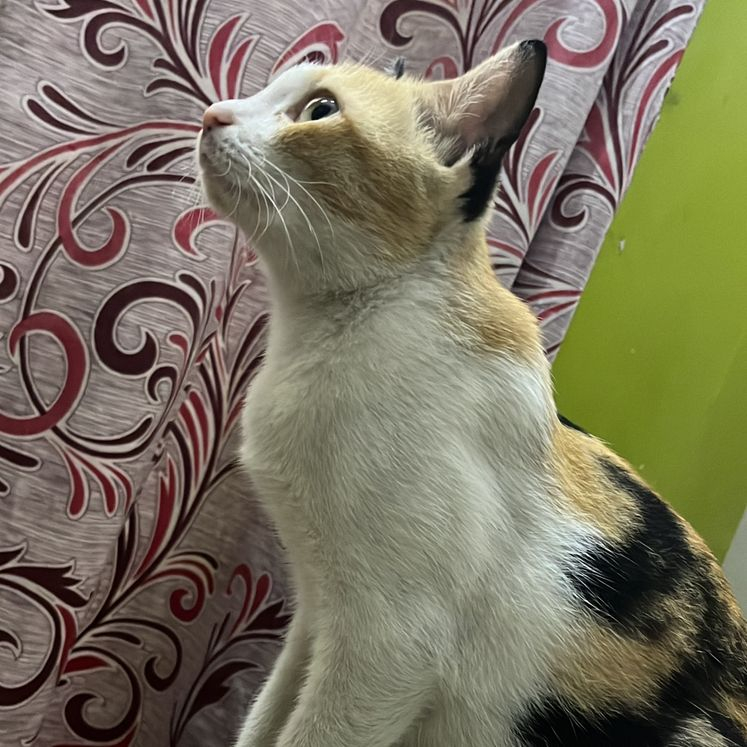
“Hey hoomans 👋 Busy finding food right now… talk later 😼”
Übersetzung ansehen
🐱what you say should i eat $VANRY
VANRY (Vanar Chain) Update 🔥
Vanar Chain is rapidly positioning itself as an AI-native Layer-1 blockchain, integrating AI models like Neutron and Kayon directly into its architecture. With ultra-low fees (~$0.0005) and sub-second AI inference, the project aims to solve key Web3 scalability and cost challenges while attracting enterprises and developers.
A major boost came from Vanar joining the NVIDIA Inception Program, gaining access to advanced AI and graphics resources to accelerate innovation across gaming, immersive tech, and AI-powered dApps. Earlier in January, Vanar also launched its AI-native stack, shifting products such as myNeutron and Kayon to subscription models to drive real utility and demand for the VANRY token.
While VANRY hit an all-time low in December 2025 amid market volatility, recent upgrades and a strong AI-first roadmap highlight Vanar Chain’s focus on long-term ecosystem growth.
VANRY (Vanar Chain) Update 🔥
Vanar Chain is rapidly positioning itself as an AI-native Layer-1 blockchain, integrating AI models like Neutron and Kayon directly into its architecture. With ultra-low fees (~$0.0005) and sub-second AI inference, the project aims to solve key Web3 scalability and cost challenges while attracting enterprises and developers.
A major boost came from Vanar joining the NVIDIA Inception Program, gaining access to advanced AI and graphics resources to accelerate innovation across gaming, immersive tech, and AI-powered dApps. Earlier in January, Vanar also launched its AI-native stack, shifting products such as myNeutron and Kayon to subscription models to drive real utility and demand for the VANRY token.
While VANRY hit an all-time low in December 2025 amid market volatility, recent upgrades and a strong AI-first roadmap highlight Vanar Chain’s focus on long-term ecosystem growth.
Übersetzung ansehen
My Family 💕💕… How is your family hoooomaaan? 🐱😸 $CATI
@Binance_Square_Official
@Binance_Square_Official
Übersetzung ansehen
Dis my sister. I do a guard. No touchy 😼” $CATI
@Binance_Square_Official
@Binance_Square_Official
Übersetzung ansehen
Goooood niiiiighty hooooomaaan $CATI
@Binance_Square_Official
@Binance_Square_Official
Übersetzung ansehen
Goooood Mooorning Hooooomaaaan💕💕💕
Übersetzung ansehen
What do you think where is Satoshi?
😎😎😎😎
😎😎😎😎
🎙️ btc jump

Beenden
30 m 19 s
96
0
Übersetzung ansehen
Why people are watching Walrus (WAL) closely 🐋🚀
Walrus Protocol is not just another token—it’s infrastructure. Built on the Sui blockchain, Walrus focuses on decentralized, private, and censorship-resistant storage, a critical need for Web3, AI, and NFT ecosystems 🌐🤖🎨.
Here’s why many believe $WAL is worth considering 👇
✅ Real Utility, Not Hype
$WAL is used for payments, staking, and governance. As network usage grows, demand for the token grows too 🔗💰
🚀 Backbone for Web3 & AI
Walrus enables cost-efficient storage using erasure coding and blob storage—ideal for dApps, enterprises, and large-scale data needs 📦⚙️
📈 Early Momentum Signals
Short-term technicals show a bullish MACD crossover, hinting at potential upside momentum 📊🔥
🎁 Ecosystem Incentives
Staking rewards, governance power, and hints of future airdrops keep early participants engaged 🎯🎉
🛡️ Decentralization & Privacy
Designed for data availability, privacy, and censorship resistance—key values in a decentralized future 🔐🗄️
⚠️ Balanced View
Like any early-stage project, risks exist: long unlock schedules, adoption challenges, and broader market trends. But for those who believe infrastructure tokens win long term, Walrus stands out 🧠⏳
High risk. High vision. Real use case. 🐋💎
#walrus $WAL
Walrus Protocol is not just another token—it’s infrastructure. Built on the Sui blockchain, Walrus focuses on decentralized, private, and censorship-resistant storage, a critical need for Web3, AI, and NFT ecosystems 🌐🤖🎨.
Here’s why many believe $WAL is worth considering 👇
✅ Real Utility, Not Hype
$WAL is used for payments, staking, and governance. As network usage grows, demand for the token grows too 🔗💰
🚀 Backbone for Web3 & AI
Walrus enables cost-efficient storage using erasure coding and blob storage—ideal for dApps, enterprises, and large-scale data needs 📦⚙️
📈 Early Momentum Signals
Short-term technicals show a bullish MACD crossover, hinting at potential upside momentum 📊🔥
🎁 Ecosystem Incentives
Staking rewards, governance power, and hints of future airdrops keep early participants engaged 🎯🎉
🛡️ Decentralization & Privacy
Designed for data availability, privacy, and censorship resistance—key values in a decentralized future 🔐🗄️
⚠️ Balanced View
Like any early-stage project, risks exist: long unlock schedules, adoption challenges, and broader market trends. But for those who believe infrastructure tokens win long term, Walrus stands out 🧠⏳
High risk. High vision. Real use case. 🐋💎
#walrus $WAL
Melde dich an, um weitere Inhalte zu entdecken