
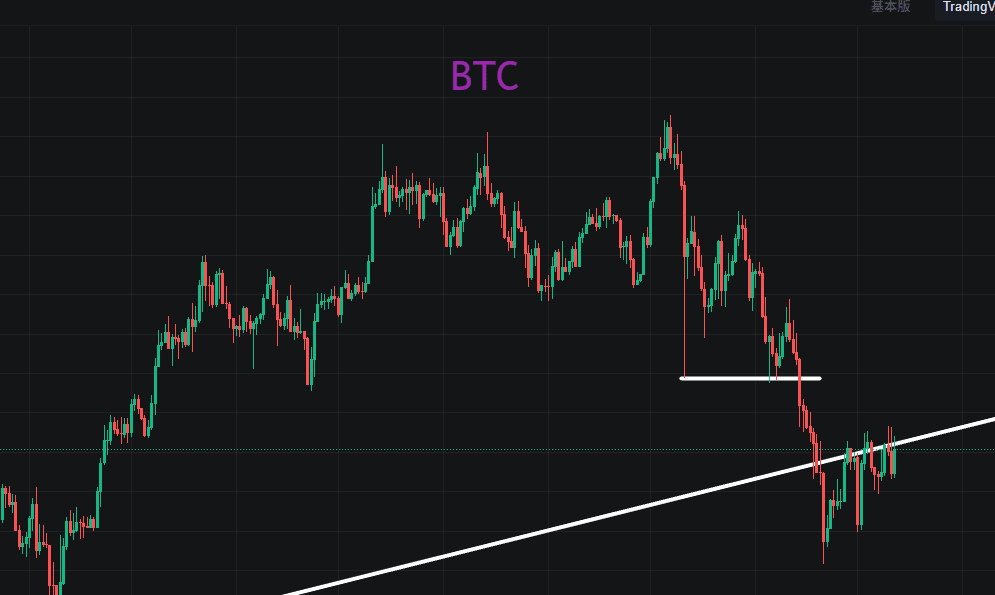
After experiencing a brief interest rate cut in the United States, the US stock market is about to soar to 50,000 points like a rocket, while the cryptocurrency market is fluctuating up and down. So far, this is just the beginning of the test, and the coming week will only make people more confused. This confusion will be reflected in Japan's interest rate hikes.
You may not pay attention to Japan's economy, but you cannot ignore the trend of the yen, because the structure of the yen is complex. Its complexity is reflected in the transformation of the yen from negative interest rates over the past 20 years to positive interest rates now.
So what is negative interest rate? We don’t need to use professional terms to explain it. It means an institution borrows 100 yen from the Bank of Japan and only needs to repay 99; positive interest rate means if you borrow 100 yen from Japan, you have to repay 101, of course, the repayment amount is calculated based on the interest rate, I am just stating the essence.
You might think, how could it be good to borrow 100 and pay back 99? Yes, it is such a good deal, but sorry, this kind of good deal has nothing to do with individuals. It’s for institutions. Only people like Buffett and Soros can get money out of Japan, or large institutions.
Last December, it started to shift to positive interest rates, marking a historical change. The intricacies of the situation lie here; that's where the complexity is reflected. You may have heard Buffett say he particularly likes Japan and plans to increase investments in Japan in the future; it all comes down to this logic.
Buffett borrows money from Japan, exchanges it for US dollars to invest in the US stock market, and then exchanges it back to yen. This has always been the case; it's like giving you free money to invest in stocks. Who wouldn't do this if they were a big institution?
This also leads to global arbitrage institutions borrowing money from Japan to engage in arbitrage, allowing them to buy stocks, gold, silver, futures, government bonds, foreign exchange, and Bitcoin, etc. This results in the complexity of the yen's structure, so an interest rate hike in yen will cause these arbitrage funds to flow back to Japan to repay debts.
If you are a large institution and have borrowed a lot of funds from Japan, when an interest rate hike occurs, what you need to do is to arbitrage some of it to repay some of the money to Japan first. Otherwise, if the market turns bad, you will owe a large amount of interest to the Bank of Japan.
This also causes a capital flight in the entire market, triggering a downward turmoil. The US dollar's interest rate cut and the yen's interest rate hike indicate that something bad is happening in the market. A storm is coming, and of course, we will slowly share more about this next year; it is still too early to say.