
The conversation around institutional crypto adoption has focused on a narrow set of technical metrics. Speed, throughput, and cost efficiency are all important qualities of a strong technology stack, and they can improve the products built on top of it. However, these factors address secondary issues rather than the core problem.
The primary barrier is structural. Most existing blockchain architectures cannot reconcile the transparency that regulators require with the confidentiality institutions need.
Public blockchains expose transaction details to anyone observing the network. This creates immediate challenges for institutions that manage client assets or execute proprietary strategies. A pension fund rebalancing its portfolio cannot publicly reveal position sizes or trading patterns. An investment bank facilitating a private placement cannot expose client identities or deal terms on a public ledger.
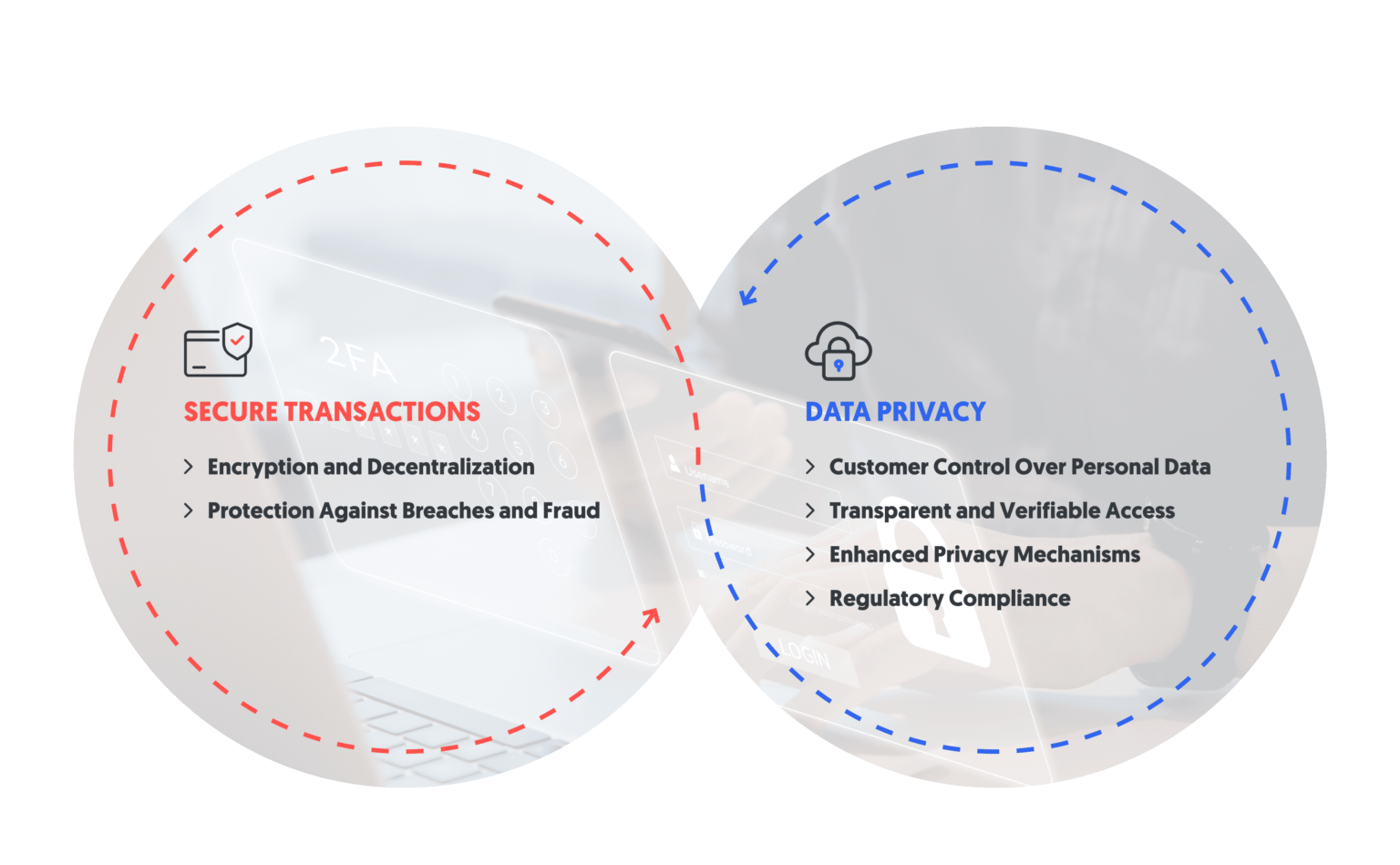
The alternative has been permissioned networks that restrict access to approved participants. JPMorgan’s Onyx platform is a well-known example, operating on a controlled version of Ethereum where participants must be vetted before joining. While this approach reduces data exposure, it sacrifices the network effects and composability that make open blockchains valuable. As a result, institutions end up building isolated systems with limited interoperability.
Regulators face their own constraints. The SEC’s scrutiny of crypto markets stems in part from the difficulty of monitoring pseudonymous trading activity. In Europe, the European Banking Authority has made it clear that platforms handling client funds must maintain transparent audit trails and robust governance structures. These expectations intensified across jurisdictions following the collapse of FTX.
The result is a stalemate. Institutions need privacy, regulators need visibility, and most blockchain architectures force a choice between the two.
____________________
Selective Disclosure as Infrastructure
Zero-knowledge cryptography offers a way out of this impasse. It allows one party to prove that a statement is true without revealing the underlying information. A fund can prove it meets accredited investor requirements without disclosing its portfolio. A trader can demonstrate sufficient collateral without exposing position sizes.
@Dusk has implemented this approach directly at the protocol level. Its core mission is to enable real-world assets such as stocks, bonds, and private equity to move on-chain while remaining fully compliant with existing financial regulations.
Through its Citadel protocol, Dusk embeds zero-knowledge compliance into base-layer infrastructure. Smart contracts can enforce regulatory rules such as investor accreditation, holding periods, and transfer restrictions while keeping transaction details private.
This architecture separates what must be proven from what must be revealed. Regulators can verify that rules are being followed without accessing sensitive commercial data. Market participants can transact privately while maintaining provable compliance with applicable regulations.
This design is reinforced by a Dusk EVM layer, which allows developers to build privacy-preserving smart contracts using familiar Ethereum tooling. Combined with its SBA consensus mechanism, which offers fast settlement and near-instant finality, Dusk provides infrastructure designed for financial markets rather than purely speculative use cases.
_________________________
Implications for Market Structure
If privacy-preserving compliance mechanisms can operate at scale, the implications extend beyond incremental efficiency gains. The ability to tokenize traditionally illiquid assets while maintaining regulatory compliance could reshape how capital is formed and traded.
Asset classes such as private equity, venture capital, and real estate often have long holding periods and limited liquidity in part because of the high costs associated with managing small investor bases and secondary transactions.
Compliant tokenization has the potential to significantly reduce these costs and expand access to these markets.