
Bitcoin is entering one of those moments where the market feels quiet on the surface but heavy underneath. This week, Bitcoin is facing the largest options expiry of 2026, with more than 8.5 billion dollars worth of BTC options set to expire at the same time. These events do not always create instant fireworks, but they often decide short term direction because so much positioning gets resolved in a very small window.
At the center of this expiry, the positioning is very clear. Call options are heavily stacked near the 100,000 level, showing that a large group of traders is betting on higher prices. On the other side, put options are loaded around the 85,000 area, which tells us downside protection and bearish hedges are sitting there. In between sits the max pain level around 90,000. This is the price zone where most option buyers lose money and option sellers benefit the most. Historically, price often gets pulled toward this level as expiry approaches, not because of magic, but because of hedging and positioning mechanics.
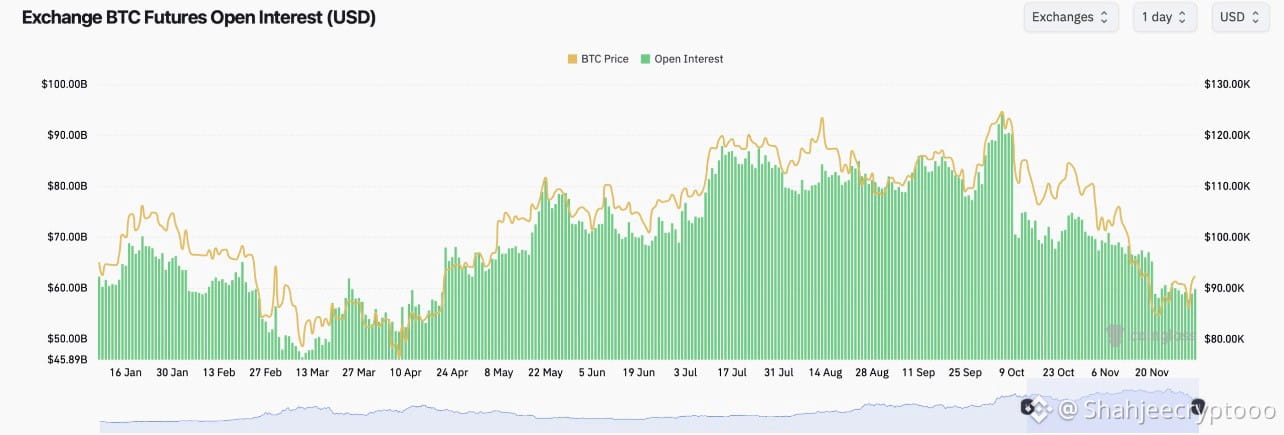
What makes this expiry important is not just the size, but the timing. Bitcoin has already gone through weeks of consolidation. Volatility has compressed, and funding has cooled compared to earlier periods. When a large options expiry arrives during a low volatility phase, it often acts like a release valve. Price can move sharply once this expiry is cleared, because the pressure that kept price stuck starts to fade.
Another key thing to understand is that options do not predict direction, they reveal stress points. If price pushes too close to 85,000, put protection starts paying out and dealers may need to hedge aggressively. If price pushes toward 100,000, call sellers feel the pressure instead. This back and forth is why we often see sharp moves both ways around expiry before the market finally chooses a direction after the event is over.
This is also why traders say “price decides who gets wiped.” Options are a zero sum game. Someone is always on the wrong side. Large expiries are where weak positioning gets exposed. Over leveraged directional bets often suffer the most, especially when traders assume expiry guarantees a pump or a dump.
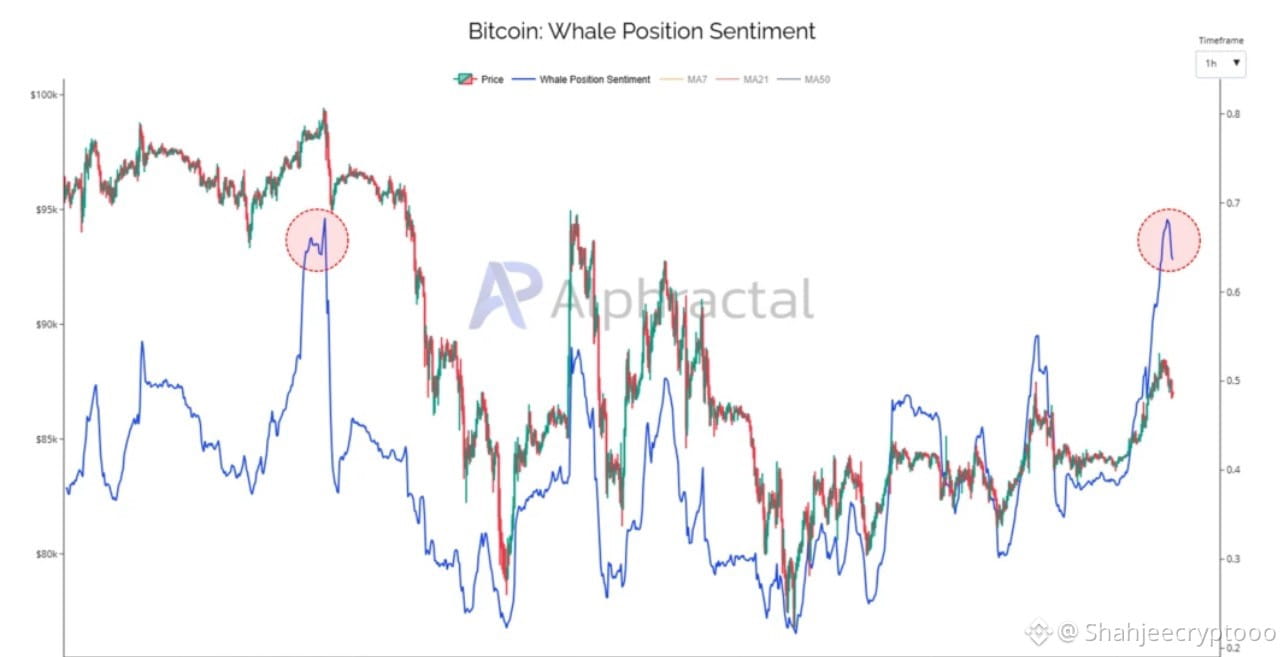
Once this expiry passes, the market usually becomes more honest. Artificial pinning pressure reduces, and price action starts reacting more cleanly to fundamentals and liquidity. If Bitcoin holds above key support after expiry, it often signals strength. If it loses levels quickly, it shows that the options market was masking real weakness.
For long term participants, this is less about predicting the exact candle and more about understanding the environment. Big expiries like this are checkpoints. They reset positioning. They clear leverage. They often prepare the ground for the next trend rather than define it on the same day.
In simple terms, this expiry is not the destination. It is the gate. What Bitcoin does after it passes through that gate is what really matters.