

The conversation around AI and Web3 is often loud but thin. Many projects promise intelligence on-chain, yet most of them quietly rely on centralized servers once you look under the hood. Against that backdrop, Walrus stands out not because of marketing, but because of how it is actually being used. Instead of positioning itself as a general-purpose decentralized storage layer, Walrus has leaned into a narrower but more demanding role: acting as a data layer for AI systems that need to store large volumes of information, prove where decisions came from, and control access without relying on a single operator. That focus has attracted early integrations from AI teams that care less about narratives and more about whether the system works under real pressure.
The most revealing example is Talus. Unlike many “on-chain AI” projects that only store hashes or small metadata on-chain, Talus Network runs nearly its entire agent stack using Sui and Walrus. Model files, agent states, historical decisions, and even communication logs between agents are all stored through Walrus. The motivation is practical. AI agents generate continuous streams of data, and traditional cloud storage quickly becomes expensive at scale. Walrus offers a cheaper alternative while keeping data verifiable. Every decision an agent makes can be traced back to the data it used. That matters when trust is part of the product. On top of that, Sui smart contracts allow Talus to define who can read or write specific data, and under what conditions. It is not flashy, but it is structurally sound. Still, the setup is not perfect. Walrus currently limits individual data blobs to about 14 GB. Large language models can exceed that size easily. Teams like Talus have to split models into chunks and manage them manually. That extra logic adds complexity and can slow down loading times if not carefully optimized. In practice, Walrus shifts cost and trust problems away, but asks developers to take on more engineering responsibility.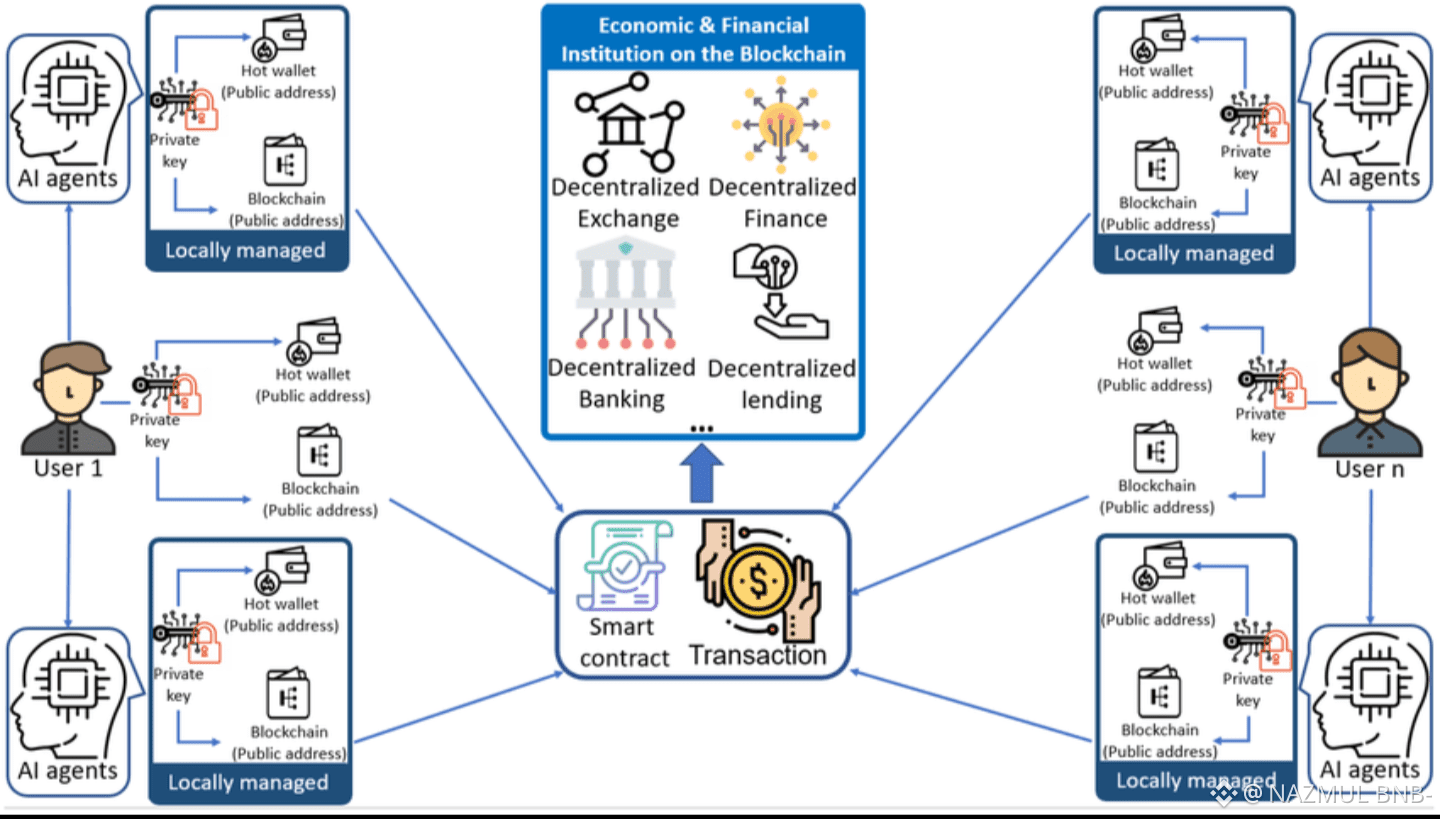
Where Talus shows depth, io.net shows breadth. io.net operates a large, globally distributed network of GPU nodes designed for AI inference and training. In this setup, Walrus is not about agent history or permissions. It is about distribution. Developers upload trained models or datasets to Walrus, and io.net’s GPU nodes pull that data when they need it. The benefit is straightforward. Instead of every node depending on a central server or custom distribution pipeline, Walrus acts as a shared, resilient source. If some nodes go offline or experience network issues, the data can still be reconstructed from other parts of the network. This is especially useful for teams running experiments across many locations. The tradeoff is similar to the Talus case. Walrus is good at distributing data reliably and cheaply, but it is not yet a plug-and-play replacement for mature cloud tooling. Teams need to design their workflows with these constraints in mind. For infrastructure-focused projects like io.net, that is acceptable. For smaller teams, it can be a hurdle.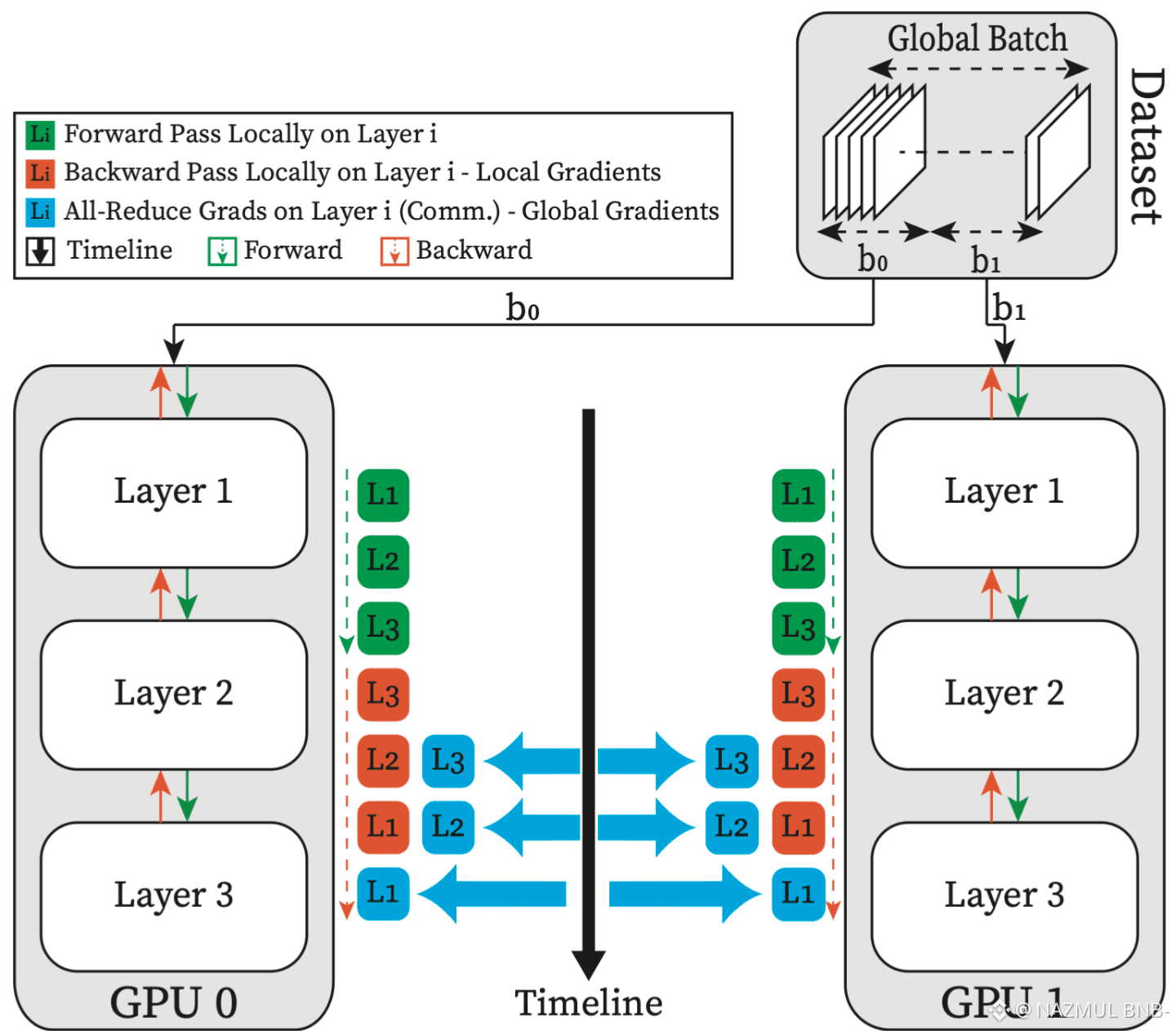
The privacy angle becomes clearer when looking at Everlyn.ai. Everlyn.ai deals with user-generated videos and training artifacts that often include personal or sensitive information. Storing this data on public or semi-public infrastructure creates obvious risks. Walrus addresses this through its Seal encryption mechanism. Data is encrypted at upload, and only users hold the keys. Even the platform itself cannot access the raw files. For AI training, this is a meaningful shift. It allows teams to work with private datasets without asking users to trust that the platform will behave perfectly. Privacy is enforced by design, not policy. This does not remove all responsibility. Key management still matters, and mistakes can be costly. But compared to traditional setups where privacy relies on internal controls, this model reduces trust assumptions. For projects operating in regulated or sensitive domains, that difference can determine whether AI training is even possible.
Looking at usage patterns, AI already dominates Walrus’s storage profile. Estimates suggest that roughly half or more of the data stored on Walrus today is tied to AI-related applications. That is unusual in decentralized storage, where NFTs, media files, or backups typically lead. On-chain data points indicate total capacity in the hundreds of terabytes, with a significant portion linked to AI experiments. At first glance, that sounds impressive. In reality, it tells a more cautious story. Spread across multiple projects, the average usage per team is still modest. Most integrations appear to be pilots or early-stage deployments rather than full production workloads. Agent counts, active users, and sustained read-write volumes are rarely disclosed. This suggests that Walrus has found interest, but not yet lock-in. Teams are testing whether the economics and guarantees hold up before committing fully.
For builders considering AI and Web3 today, Walrus is neither a silver bullet nor a gimmick. It makes sense for teams that need to store large amounts of AI-related data, care about cost, and want verifiable or privacy-preserving workflows. It makes less sense for teams looking for instant scalability with minimal setup. The ecosystem is still maturing. Documentation can be thin. Many features require custom packaging. That demands stronger technical teams and longer timelines. Strategically, Walrus also faces concentration risk. Its close alignment with AI is a strength, but relying too heavily on one narrative can limit growth if the market shifts or competitors offer smoother alternatives. Expanding into adjacent use cases like gaming, DeFi, or social data could help balance that risk. For now, Walrus occupies an interesting middle ground. It is not trying to replace the cloud overnight. It is quietly building a data layer for AI teams who are willing to trade convenience for lower costs, stronger guarantees, and more control. That is not a mass-market pitch. But for the right teams, it is a compelling one.

