Most crypto conversations about real-world assets start from the same assumption: that finance needs to become more like DeFi. Full transparency. Open ledgers. Everything visible, all the time. It sounds clean and ideological, but it ignores how real markets actually work. In traditional finance, information is managed with intent. Positions are not public. Client lists are protected. Deal terms are shared on a need-to-know basis. Institutions are not allergic to blockchains. They are allergic to leaking sensitive information and stepping into unclear compliance territory. This is where Dusk Network quietly breaks from the crowd. Instead of asking TradFi to change its behavior, Dusk adapts blockchain infrastructure to how finance already operates. The core idea is simple and practical: prove something is valid without revealing everything behind it. That single shift reframes the entire RWA conversation, away from ideology and toward usability.

What makes this approach compelling is that it treats compliance as part of the asset itself, not an afterthought. Real-world assets are not static tokens. They are living instruments with rules. They are issued under specific conditions. They can be transferred only to eligible parties. They may have lockups, reporting duties, corporate actions, or jurisdictional limits. In many tokenization attempts, these rules live off-chain in documents, middleware, or legal agreements that sit beside the blockchain instead of inside it. That setup works until something goes wrong. When enforcement is optional or external, institutions see risk. $DUSK flips this by designing assets where the rules travel with the token. Transfers respect restrictions by default. Proofs can be generated for regulators or auditors without exposing the full transaction history to the public. This does not promise perfection or regulatory approval everywhere. It offers something more realistic: a structure that aligns with how compliance teams already think and operate.
A subtle but important part of this strategy is familiarity. #dusk does not force developers or institutions to learn an entirely new mental model. By supporting EVM-compatible tooling, it lowers the barrier for teams that already build in Ethereum-style environments. This matters more than it sounds. Adoption rarely fails because technology is not powerful enough. It fails because switching costs are too high. When legal teams, auditors, and engineers can work with tools they recognize, trust builds faster. The privacy layer becomes an enhancement, not a mystery box. You can explain it in plain terms: the system can answer questions like “is this transfer allowed?” or “does this holder meet the requirements?” without publishing the entire backstory on-chain. That balance between discretion and verification is the real product, not the token itself.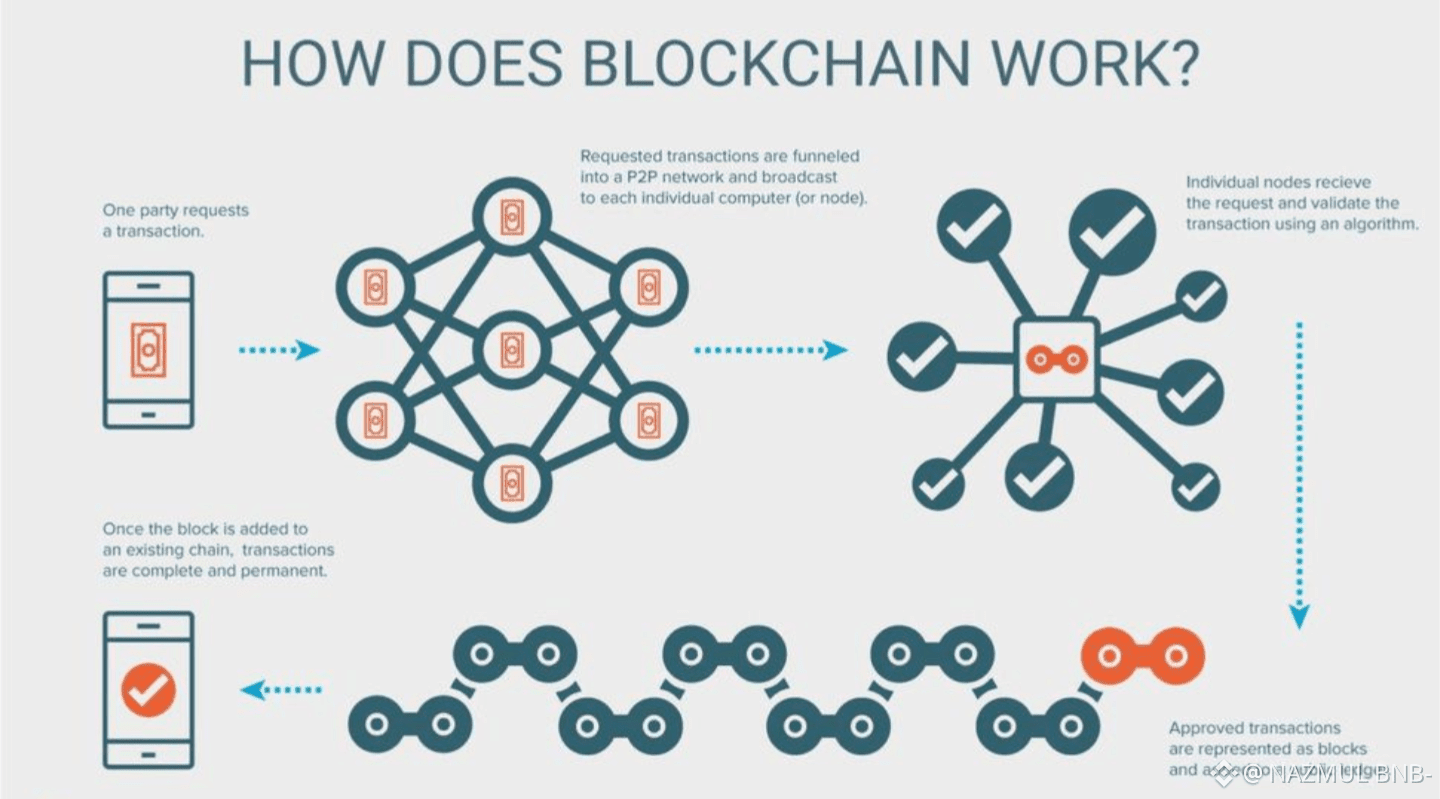
This is why the common “RWA hype cycle” framing misses the point. The story is not about sudden explosions in tokenized value or bold claims about replacing financial systems overnight. Infrastructure does not work that way. It matures quietly, then becomes unavoidable. The last two years were full of RWA announcements, panels, and pilot programs. Useful, but noisy. The next phase looks different. It is about systems that can survive audits, handle edge cases, and operate without constant manual oversight. Dusk’s positioning suggests it is aiming for that phase, where privacy, settlement integrity, and compliance are built-in assumptions rather than optional features. This does not guarantee dominance or universal adoption. It signals seriousness. And in financial markets, seriousness is a prerequisite for trust.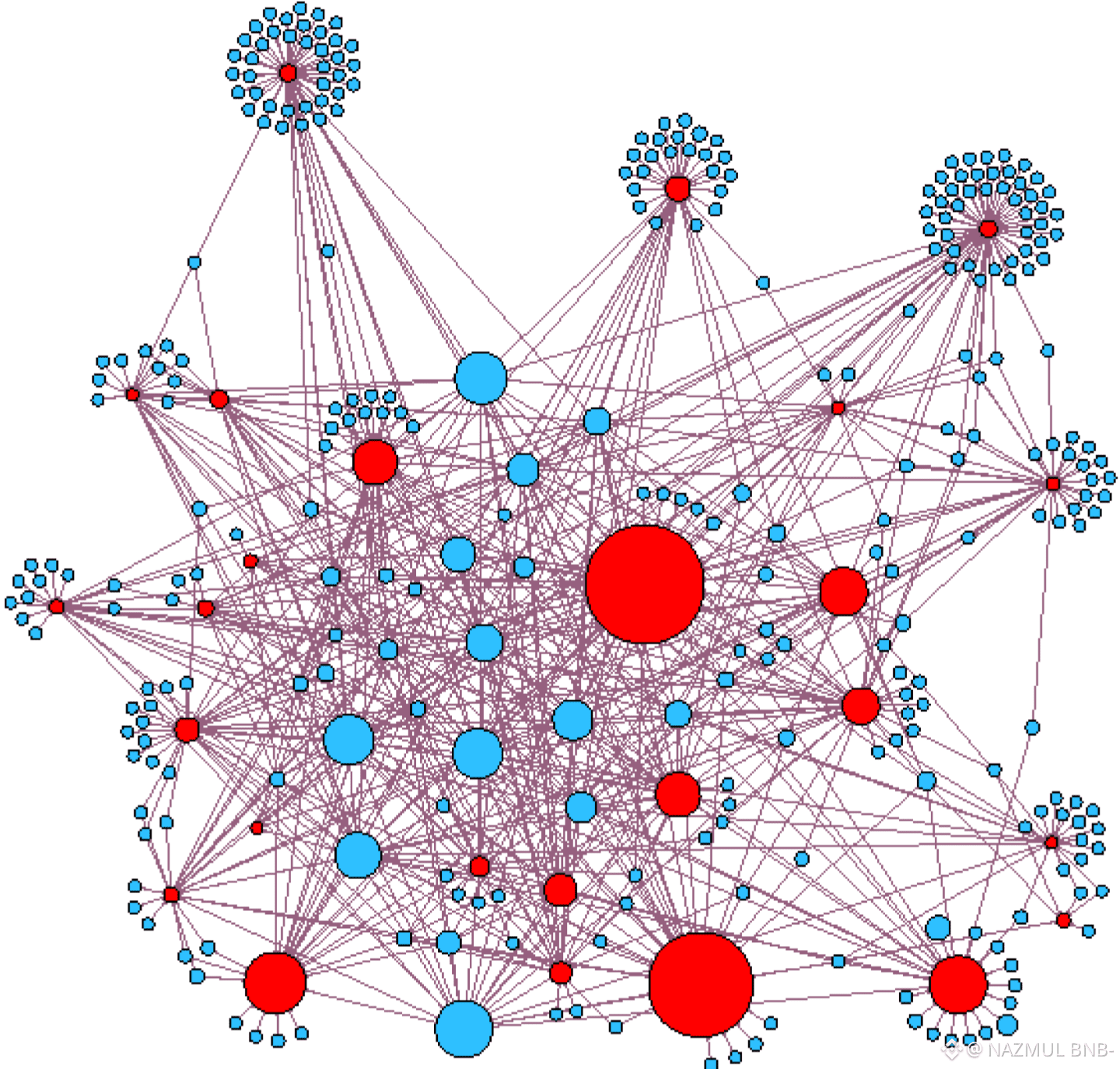
There are still real challenges ahead. Regulation is fragmented. What works cleanly in one region may require adaptation elsewhere. Identity providers, custodians, and exchanges introduce their own dependencies. Privacy systems must be robust, well-audited, and understandable to non-technical stakeholders. None of this is trivial. But the direction matters. By focusing on “inside-the-rails” compliance and minimizing unnecessary exposure, @Dusk aligns itself with how institutions actually make decisions. Not with slogans, but with structures. If 2026 does become the year when RWAs shift from talk to systems, it will not be because of louder narratives. It will be because certain networks made it easier to do the right thing quietly. That is the kind of revolution that rarely trends on social media, but often reshapes markets.